
Ever wondered what you call a mix between a coyote and a dog? Well, it’s called a coydog. This rare hybrid comes from a male coyote and a female dog, so it’s a blend of both wild and domestic traits.
Coydogs aren’t something you see every day. They’ve got a fascinating mix of looks and behaviors that can really catch you off guard.

You’ll probably notice coydogs have the sharp features and shy nature of coyotes, mixed with some quirks from domestic dogs. Because of this, they can be a handful and really need someone who pays attention.
Learning about these hybrids gives you a glimpse into how wild and domestic animals sometimes cross paths.
Curious what makes a coydog different from, say, a coywolf? Stick around to hear about their history, traits, and some of the challenges they bring. If you want to dig deeper, here’s a solid read on Coydog – Wikipedia.
Understanding the Coyote-Dog Hybrid
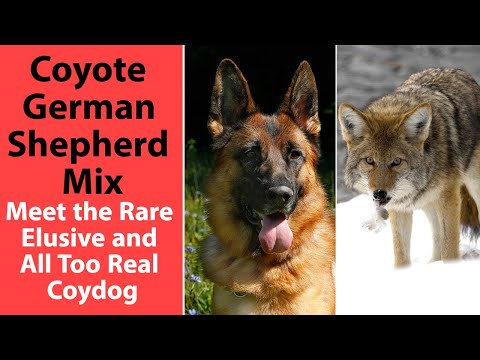
Coyote-dog hybrids are a pretty wild mix of domestic and wild canines. They blend features from both parents, so you never quite know what you’ll get.
Learning how these hybrids come about—and what sets them apart—can help you know what to expect.
Coydog vs. Dogote: Terminology and Origins
When a male coyote (Canis latrans) mates with a female domestic dog (Canis lupus familiaris), people call the pups Coydogs.
If you swap the parents—a female coyote and a male dog—you get puppies called dogotes. Both names tell you which parent is which.
Coydogs and dogotes can both have offspring, which is actually pretty rare for hybrids. This makes them stand out from other mixes that usually can’t reproduce.
People started breeding these hybrids back in pre-Columbian Mexico. They did it on purpose for certain traits.
Nowadays, coydogs sometimes appear naturally in places where coyotes and dogs live close together.
How Coyote-Dog Hybrids Are Created
Coyote-dog hybrids happen when coyotes and domestic dogs mate. Coyotes usually breed between January and March.
Domestic dogs, though, can go into heat at different times, depending on the breed. Because of this, their breeding cycles don’t always line up, so hybrid litters don’t happen often.
But if the timing works out, they can produce hybrid pups.
The puppies inherit a mix of genes, so their personalities and looks can be all over the place. Some act more wild, others are more dog-like—it really depends on which parent’s traits come through stronger.
Breeding these hybrids isn’t simple. Laws in some places restrict owning or breeding them, usually for wildlife protection or safety reasons.
Physical Appearance and Identifying Features
Coydogs usually weigh somewhere between 30-70 pounds. Most stand about 20-27 inches tall.
Their coats are short to medium in length. The colors can be a mix of tan, grey, white, and black.
You might spot things like a white face mask or a bushy tail—classic coyote features.
Their eyes? Often sharp and piercing, which gives away their wild side.
Most coydogs have a lean build with pointy ears, but the exact look depends on what kind of dog is in the mix.
Their unique combo of features makes them pretty easy to spot if you know what to look for.
Behavior-wise, they show both wild and domestic instincts. Socialization and training matter a lot if you plan to care for one.
Traits, Behavior, and Considerations

Coydogs, born from coyotes and domestic dogs, pick up a mix of traits that shape their behavior, health, and how you care for them.
They’ve got strong instincts, unique social habits, and specific dietary needs. If you’re thinking about one as a pet, know they aren’t like your average dog—they need patience and someone who’s willing to learn.
Temperament and Socialization
Coydogs can be smart and loyal, but they’re often independent and, honestly, a bit wary of strangers. Their coyote side gives them strong hunting instincts and a desire to lead.
You might notice behaviors that remind you of breeds like German Shepherds—protective, intelligent, but also stubborn.
Early socialization is a must. Introduce them to new people, animals, and places when they’re about 3 to 14 weeks old.
This helps them feel less anxious or aggressive as they grow up.
Coydogs tend to show both dog-like friendliness and that classic coyote caution. You’ll need steady training to keep them in check and set clear boundaries.
They’re pretty vocal, too—howls, barks, yips—you name it. Their pack instincts run deep.
Coydogs do best with structure, clear rules, and lots of mental and physical activity.
Health, Diet, and Care Requirements
Coydogs can face health problems that affect both dogs and wild canines. Hip and elbow dysplasia are possible, especially if their dog parent was a larger breed.
Regular vet visits help you catch issues before they get serious.
When it comes to food, coydogs need a high-protein, balanced diet to fuel their energy and muscles.
Go for quality dog food with plenty of vitamins and minerals. Avoid cheap brands with fillers—they just won’t cut it.
Grooming needs depend on their coat, but brushing is important, especially if they inherit a dense double coat.
Regular brushing keeps shedding down and prevents mats.
Exercise isn’t optional with these guys. They need lots of activity to stay happy and avoid getting bored or destructive.
Common Myths and Misunderstandings
People often mix up coydogs with wolfdogs or coywolves. But let’s be clear—a coydog comes from a coyote and a domestic dog, not a wolf.
That confusion sparks some weird myths about how they act or what they’re capable of. Some folks think coydogs are wild or even dangerous.
With the right training, though, many of them can bond closely with people. Still, their wild instincts stick around, so they’re really not the best choice for someone’s first dog.
You might hear that coydogs are easy to train. Honestly, that’s not true at all.
Their intelligence and strong prey drive can make training a real challenge. If you get where their hybrid nature comes from, you’ll have a much better shot at setting realistic expectations and giving them the care they need.
For more on their traits and how to care for them, see the Coydog Breed Guide: Traits, Appearance, and Behavior.


