
When you think about Arctic wolves, you might picture a powerful predator roaming the icy landscapes. These fascinating creatures, known as apex predators, have very few natural enemies. Their hunting skills are finely tuned, allowing them to stalk and take down animals much larger than themselves, like musk-oxen or caribou.

While Arctic wolves are at the top of the food chain in their environment, they are not entirely free from threats. In addition to natural challenges, humans also impact their populations through hunting and habitat changes. Understanding the dynamic between Arctic wolves and their predators can give you a deeper appreciation for these remarkable animals and the ecosystems they inhabit.
By exploring what hunts an Arctic wolf, you uncover a world where every creature plays a vital role. From the frigid Arctic tundra to the intricate social structures of wolf packs, the story of survival is as gripping as it is essential.
Arctic Wolf Habitat and Behavior

Arctic wolves thrive in one of the harshest environments on Earth. Their habitat shapes their behavior and social interactions. Understanding these elements helps you appreciate how they survive and adapt.
Understanding the Arctic Region
The Arctic region is characterized by frigid temperatures and extensive ice cover. Here, you will find tundra, which is a unique ecosystem with a short growing season. During summer, the temperature can rise slightly, allowing for limited vegetation.
Arctic wolves prefer areas such as rolling hills, glacier valleys, and ice fields. These landscapes provide shelter and hunting grounds. The extreme conditions make it challenging to find food, but their adaptability helps them survive in this environment.
They typically hunt for larger animals like caribou and musk oxen, but they also catch smaller prey when needed. Knowledge of their surroundings is crucial to their hunting success.
Social Structure and Pack Dynamics
Arctic wolves live in small packs, usually consisting of 7-8 individuals. This social structure helps them cooperate during hunts. By working together, they increase their chances of bringing down larger prey.
The packs are often family-based, with a dominant breeding pair leading. The other members assist in raising the young and hunting. This strong bond between pack members aids survival in the harsh Arctic.
Communication plays a significant role in their social dynamics. Wolves use howling to coordinate hunts and signal their location. These interactions help maintain group cohesion and ensure everyone knows their role in the pack.
Prey and Hunting Techniques
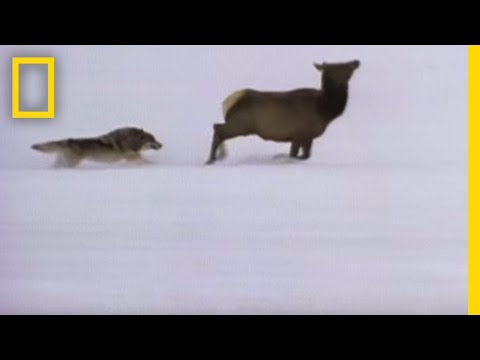
Arctic wolves are skilled hunters with specific preferences in their diet. They employ unique strategies to hunt, making them effective apex predators in their cold habitat. Here are key details about their prey and the methods they use.
Common Prey for Arctic Wolves
The Arctic wolf primarily targets large ungulates as their main food source. Their common prey includes:
- Muskoxen
- Caribou
- Arctic hares
- Lemmings
These animals provide essential nutrients to sustain the wolves in harsh conditions. While muskoxen and caribou are large, wolves sometimes also hunt smaller animals, like hares and rodents. Hunting in packs is crucial when taking down bigger prey, as teamwork increases their chances of a successful hunt.
Strategies of an Apex Predator
When you think about wolf hunting methods, it’s clear they are strategic and calculated. Here are some techniques they use:
-
Stalking: Wolves can stealthily approach prey, especially in tall grass.
-
Pack Tactics: Working together, wolves surround and isolate their target.
-
Harassment: By tiring out larger animals with persistent pressure, wolves can create openings for an attack.
These techniques reveal the intelligence and adaptability of Arctic wolves during their hunting endeavors. Their ability to use these strategies allows them to thrive even in extreme conditions, establishing them as effective predators in the Arctic ecosystem.
Challenges of Arctic Wolf Hunting

Hunting is vital for Arctic wolves, but various challenges affect their success. These obstacles include climate changes that threaten their hunting grounds and competition from other predators in the region.
Climate Impact on Hunting Success
Changes in climate play a big role in the hunting success of Arctic wolves. As temperatures rise, the habitats they rely on in North America, especially in the Northwest Territories, are shifting. This change can lead to less snow cover and fewer opportunities to stalk prey effectively.
When ice thaws earlier in the season, it disrupts the patterns of their prey, which include animals like musk oxen. If prey is harder to find, wolves may struggle to meet their needs.
Moreover, the shrinking hunting grounds limit where wolves can roam. This forces them to expand their territory, which can increase the energy they expend while searching for food.
Competition with Other Predators
In the Arctic region, Arctic wolves face competition from other apex predators like wolverines. Wolverines are known for their strength and fierce nature. When food is scarce, they may scavenge or steal from wolves, making it tougher for the wolves to find meals.
The presence of these competitors means that wolves often need to hunt in groups to increase their chances of success. This cooperation helps them take down larger prey but also requires careful coordination.
In areas where prey is limited, the competition for food can be fierce. Wolves must stay alert and adapt their strategies to thrive in their harsh environment, highlighting the challenges they constantly face.
Human and Arctic Wolf Interactions

Arctic wolves have a unique relationship with humans, shaped by environment and culture. Understanding this interaction involves exploring the roles of Inuit guides and the effects of modern travel methods, like snowmobiles, on their behavior.
Inuit Guides and Wolf Significance
Inuit guides play an essential role in the Arctic. They possess valuable knowledge about the land and its wildlife. These guides understand wolf behavior and track signs of their presence, contributing to hunting adventures.
Wolves hold significant cultural value for the Inuit. They are often seen as symbols of strength and survival. The guides’ respect for wolves helps maintain a balance between hunting and conservation efforts. They teach the importance of coexisting with these remarkable animals.
Impact of Snowmobiles on Hunting Patterns
Snowmobiles have changed how humans interact with Arctic wolves. These vehicles allow hunters to cover vast areas quickly. As a result, they often disrupt traditional hunting patterns of wolves.
The noise from snowmobiles can scare wolves away from their natural habitats. This disturbance affects their hunting success and may shift their territories. Consequently, wolves may face challenges in finding food, impacting their population dynamics.


