
If a bee stings you, you’ll probably spot a tiny stinger left in your skin. Leave that stinger in, and it’ll keep pumping venom, making the pain and swelling worse as time passes. The longer it sits there, the bigger your reaction might get.
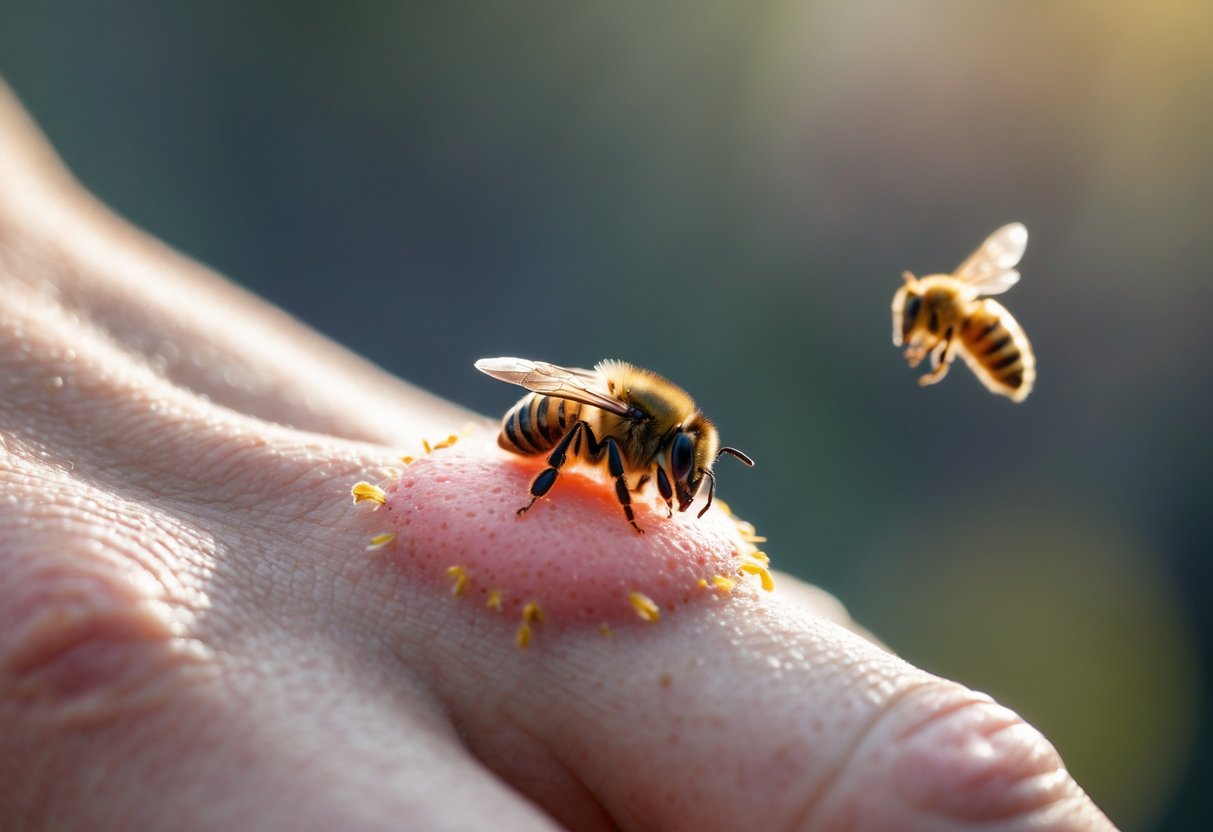
You also face a higher risk of infection or even an allergic reaction if you don’t remove the stinger quickly. Knowing what to do right away can help you feel better and avoid extra trouble.
Risks and Consequences of Not Removing a Bee Stinger

Leaving a bee stinger in your skin can actually cause a few problems. The stinger keeps releasing venom, which just makes the sting symptoms worse. You’re also more likely to get an infection or even have a bad allergic reaction.
Continuous Release of Bee Venom
Bee stingers have tiny barbs that dig into your skin. If the stinger stays, it keeps pumping venom into your body.
This venom release can go on for several minutes after the sting. The longer it’s in there, the more venom gets in.
That means your pain and swelling could get much worse. Removing the stinger quickly stops more venom from entering your skin.
Worsening Bee Sting Symptoms
If you leave the stinger in, your symptoms can get stronger. Pain and redness will probably spread around the sting.
Swelling might get worse and stick around longer than you’d like. You could even notice an itchy rash or warmth in the area.
These are signs your body’s reacting to the venom. The longer the venom keeps coming, the more your immune system gets triggered, and the worse you’ll feel.
Potential for Infection
A stuck stinger leaves a tiny wound that bacteria can sneak into. That means you’re at a higher risk for infection.
Watch for extra redness, pus, or warmth around the sting. If you see those, clean the area well and keep an eye on it.
Sometimes, infections from stings need a doctor’s help to keep them from spreading.
Increased Risk of Severe Allergic Reaction
Some folks are allergic to bee venom and can have a severe reaction called anaphylaxis. If the stinger stays in, the risk goes up because more venom keeps getting in.
If you notice trouble breathing, swelling in your face or throat, dizziness, or a racing heartbeat, get emergency help right away. These are serious warning signs and need fast treatment.
For more info, check out What Happens If You Don’t Remove a Bee Stinger? Simple Tips to Stay Safe.
What to Do if a Bee Stinger Is Not Removed
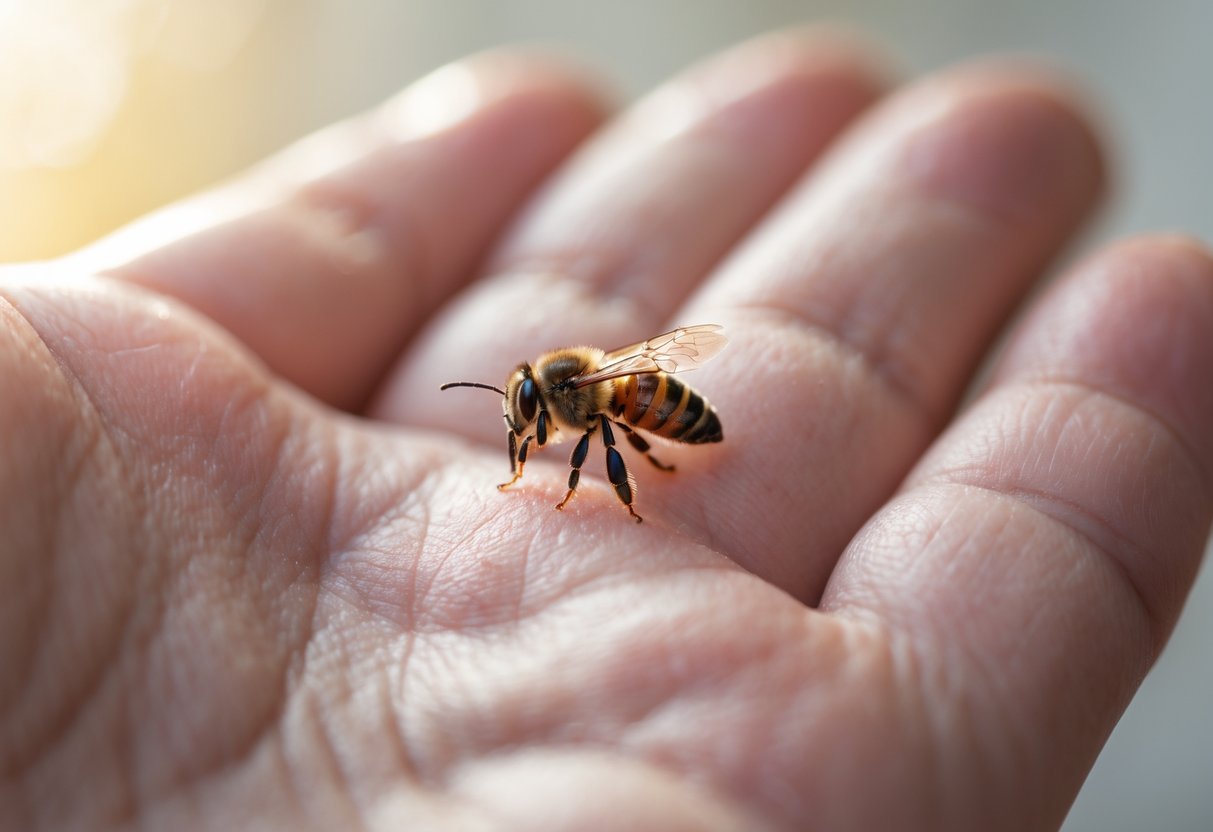
If you don’t get the stinger out fast, it’ll keep injecting venom. Knowing what to look for and what to do next can make a big difference.
Some stingers might work themselves out, but sometimes you’ll need a bit more care or even a doctor.
Signs a Bee Stinger Is Still Embedded
You might not spot the stinger right away. Look for a tiny black or white dot where you were stung.
You’ll probably feel extra pain, redness, and swelling around the spot. It might also feel warm or itchy.
If the stinger stays in, these symptoms can get worse over a few hours. A growing rash or blisters might show up.
If you have trouble breathing, dizziness, or swelling in your face or throat, that’s a sign of a serious allergic reaction. Get medical help immediately.
How and When the Stinger May Come Out Naturally
Sometimes your body just pushes the stinger out on its own. This could take a few hours or even a day.
Because the stinger is barbed, it might get stuck for a while. As your skin heals, it may push the stinger out.
Try not to squeeze or dig at the sting site. That can actually squeeze out more venom or cause an infection.
If the stinger comes out by itself, wash the area with soap and water. Then use a cold compress to help with swelling.
When to Seek Medical Attention
See a doctor if your pain or swelling gets worse after 24 hours. That could mean an infection or a strong allergic reaction.
Get help if you notice:
- Trouble breathing
- Swelling in your lips, face, or throat
- Fast heartbeat or feeling faint
- Bad redness or pus around the sting
If you’ve had serious allergic reactions before, use your epipen if you have symptoms and call for emergency help.
Doctors can give you antihistamines, steroids, or antibiotics if you need them.
Helpful Home Remedies
If you still see the stinger, try sliding it out gently with something flat, like a credit card. Don’t grab it with tweezers—squeezing might actually push more venom in.
Mix up a simple baking soda paste with water and dab it on the sting. Leave it there for about 15-20 minutes, then rinse it off.
You might want to try calamine lotion or hydrocortisone cream from the drugstore too. They usually help calm down the irritation.
Grab a cold compress or an ice pack and hold it on the sting for 10-15 minutes. Do this every few hours to keep swelling and pain down.
If you’ve been stung by a wasp or notice things getting worse, skip the home fixes and get medical help right away.


