
So, you got stung by a bee. Now you’re probably wondering—what happens if you just leave the stinger in? If you don’t remove the bee stinger, it keeps releasing venom into your skin, leading to more pain, swelling, and even a higher chance of infection. The longer that little barb stays put, the worse things can get.

Sometimes you can’t spot the stinger right away, or maybe you’re not sure how to get it out. It helps to know what might happen if you leave it there and why it actually matters.
I’ll walk you through what goes on when you don’t remove a bee stinger and what you can do to feel better as soon as possible.
If you want to dodge extra pain or a possible allergic reaction, it’s good to understand what’s happening under your skin after a sting. Quick removal really does make a difference.
Consequences of Not Removing a Bee Stinger

Leaving a bee stinger in your skin can cause a bunch of problems. You’ll probably get more venom, a bigger risk of infection, and your pain might drag on longer than you’d like.
Prolonged Venom Release and Increased Symptoms
If the stinger stays in your skin, it keeps pumping in venom. That’s just how bee stingers work—they’re barbed, so they keep releasing venom even after the bee flies away.
You’ll notice more swelling, redness, and pain around the sting. The venom really irritates the skin and makes it sore and itchy.
When you pull the stinger out quickly, you limit how much venom gets in. If you wait, the symptoms get worse and recovery takes longer.
Infection Risk from Embedded Stingers
A bee stinger left in your skin gives bacteria a way in. That could come from the bee or just the world around you.
Watch out for:
- Pus or any weird fluid
- Redness or warmth that keeps spreading
- Swelling that goes beyond the sting
- Sometimes even a fever
If you see those signs, you might need antibiotics. Getting the stinger out fast lowers the risk of infection.
Allergic and Anaphylactic Reactions
Some folks just get a little swelling, but extra venom from an embedded stinger can push your immune system over the edge.
If you’re allergic, leaving the stinger in could spark a serious allergic reaction or even anaphylaxis. Symptoms to watch for:
- Trouble breathing
- Swelling in your face or throat
- Dizziness or fainting
- Fast heartbeat
Those are emergencies—don’t wait around if you notice them. Even if your reactions are usually mild, more venom can make things worse.
Pain and Discomfort Over Time
The longer the stinger sits there, the more it hurts. Venom makes your skin swell and nerves go haywire.
You might feel:
- Soreness that keeps getting worse
- Itching or a burning feeling
- Trouble moving if the swelling gets bad
If you get the stinger out soon, you’ll feel better faster.
Curious to dig deeper? Check out this link about what happens if you don’t remove a bee stinger.
Best Practices and Home Remedies for Safe Stinger Removal
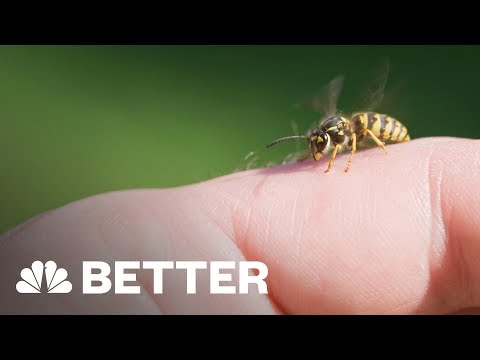
If you remove a bee stinger quickly and gently, you can cut down on pain and swelling. Treating your skin right after helps you stay comfortable. Knowing when to see a doctor is also important.
How to Identify and Remove a Bee Stinger
Look closely at the sting. You’ll probably see a tiny dark or white spot—that’s the stinger. It keeps releasing venom until you pull it out, so don’t wait.
Take a credit card or your fingernail and gently scrape the stinger out. Try not to use tweezers; squeezing could push in more venom.
Wash the area with mild soap and water before you start. That lowers your infection risk.
Once the stinger’s out, clean the spot again to keep germs away.
Effective Home Remedies to Alleviate Symptoms
After you remove the stinger, grab a cold compress or ice pack to help with swelling and pain. You can mix baking soda with a little water and dab the paste on the sting—it helps neutralize some of the venom.
Calamine lotion or hydrocortisone cream can also calm itching and redness. These are easy to find and usually work well.
Keep the area clean and try not to scratch. Drinking water might help you heal a bit faster, too.
When to Seek Medical Help
Watch out for severe swelling, trouble breathing, or redness that spreads quickly. If you spot any of these, get medical help right away—they could mean you’re having an allergic reaction.
If you know you’ve had strong reactions to bee stings before, grab your epipen immediately and call for help.
Go see a doctor if the sting looks infected, has pus, or the pain keeps getting worse. If you can’t get the stinger out on your own, it’s better to let a doctor handle it.


