
So you spot a bee buzzing nearby—what now? Instinct might tell you to swat at it or bolt, but honestly, that just makes things worse. Bees get nervous if you freak out, and that’s when they’re most likely to sting. Your best move? Stand still, try to stay chill, and wait for the bee to lose interest.

Most bees aren’t out to get you. They only sting if they think they’re in danger. If you start waving your arms or darting around, the bee might get the wrong idea.
If you just hang tight, chances are the bee will check you out for a second and then buzz off. It’s not always easy to stay calm, but it really helps you avoid a sting and keeps things peaceful between you and these little pollinators.
Curious why standing still works, or what to do if a bee actually lands on you? Let’s get into it.
Should You Stand Still If You See a Bee?
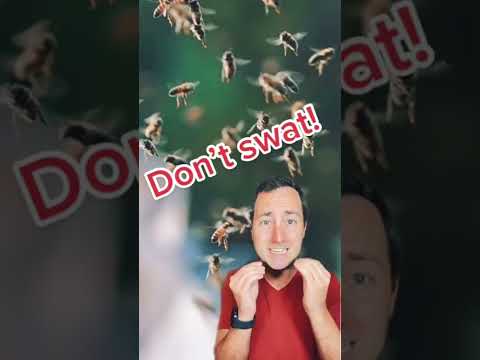
When you run into a bee, what you do next really matters. If you know a little about how bees act and what sets them off, you can avoid trouble.
Standing still often works, but you also need to pay attention if the bee starts acting aggressive.
The Myth and Reality of Standing Still
People always say standing still keeps you safe from bee stings. For the most part, that’s true. Bees usually only sting if you give them a reason.
If you flap your arms or move quickly, the bee might think you’re a threat. Standing still lets the bee realize you’re harmless.
Most of the time, it’ll just fly away. But if you’re too close to a hive, things change. Bees get way more defensive near their home, and even if you don’t move, they might come after you.
Why Bees Sting and What Triggers Them
Bees sting to protect themselves or their hive. They don’t just go around attacking for fun.
Quick movements, loud noises, or anything that messes with them can set them off. Swatting at a bee almost always ends badly.
Honeybees have a barbed sting that gets stuck, so when they sting, they die. That tells you how serious they are about defending themselves.
If you scare a bee with your actions, it’ll sting as a last resort.
Risks of Moving Versus Staying Still
If you move fast or start running, you might actually get stung more. Bees see that as a threat and get defensive.
Standing still usually keeps you safer. If a bee lands on you, try not to panic.
Staying calm gives the bee a chance to leave on its own. Sure, you might want to brush it off, but sudden movements just make things worse.
If you see bees coming in and out of a hole or tree, don’t hang around. It’s better to back away slowly than risk standing still near a hive.
Signs of Bee Aggression to Watch For
You can spot an angry bee pretty easily. If a bunch of bees start circling you or buzzing loudly in your face, that’s a warning.
Sometimes a bee will zip at you over and over, or follow you—never a good sign.
If a bee buzzes loud and won’t leave, it’s basically telling you to back off. Bees flying low and fast near you usually means you’re close to their nest.
In those cases, standing still might not cut it. It’s smarter to retreat carefully and get out of their space.
Want more details? Check out bee behavior and safety.
How to Respond Safely During a Bee Encounter

If you find yourself face-to-face with a bee, try to stay cool. Move gently and don’t freak out.
Knowing what to do if a bee lands on you, how to avoid stings, and when to leave makes all the difference—especially around hives or swarms.
What to Do If a Bee Lands on You
When a bee lands on you, your best bet is to freeze. Usually, the bee just wants to check things out.
Don’t swat at it. Quick moves freak bees out.
You can try blowing on the bee gently or brushing it off with a slow, careful motion. Moving slowly shows the bee you’re not a threat.
Honeybees only sting if they feel cornered.
Preventing Bee Stings: Practical Tips
If bees are flying around, avoid waving your arms or sprinting away. Just move calmly and smoothly.
Bright colors or strong perfumes? Probably not the best idea—they attract bees.
If you have to work near bees, wear light-colored, smooth clothes. If a bee lands on you, don’t crush it.
Crushed bees release a scent that calls in the cavalry—more bees might attack.
When to Move Away from Bees
If bees start buzzing aggressively or one bumps into you a couple of times, it’s time to go.
Don’t panic or run in circles. Just run in a straight line and get away as quickly (but calmly) as you can.
Honestly, sometimes you might need to run up to three miles before the bees give up. If you can, get inside a car or building—it’s the safest way to stop an attack.
Special Cases: Near Beehives or Swarms
When you’re near a beehive or a swarm, bees tend to get pretty protective. They can act aggressively if they feel threatened. Don’t just stand there or pretend nothing’s happening. It’s better to leave the area calmly, and really, try not to make any sudden moves.
If you find yourself too close by accident, just back away slowly. Seriously, don’t touch the bees or the hive. Running or swatting at bees near a hive almost always sets them off. Honeybees take their home security seriously, so it’s best to give them plenty of space.
Want more info on dealing with bee attacks? Check out this advice on what to do if a bee swarm attacks you.


