
If your dog touches a bat, it’s important to know what steps to take next. A bat can carry rabies, which poses serious risks to both your pet and your family. If your dog only made contact without being bitten, the chances of rabies transmission are lower, but caution is essential.
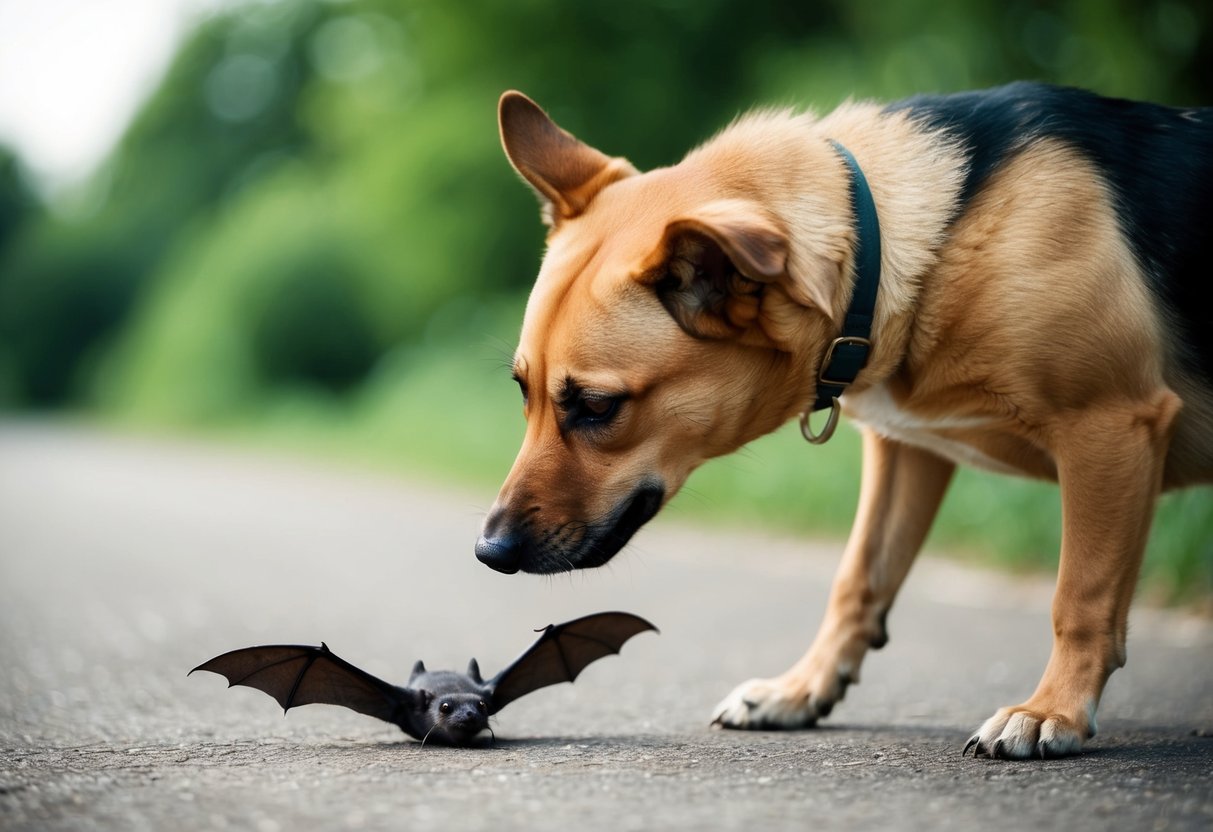
First, observe your dog for any unusual behavior or signs of illness. If your dog has been bitten or shows symptoms like lethargy, aggression, or difficulty eating, seek veterinary help immediately. It’s also wise to contact local wildlife experts to assess the situation regarding the bat.
Taking swift action can help protect your dog and provide peace of mind. Understanding the risks associated with bats and knowing what to do if your dog has contact can make all the difference. Stay informed to keep your pet safe!
Understanding Rabies and Bats
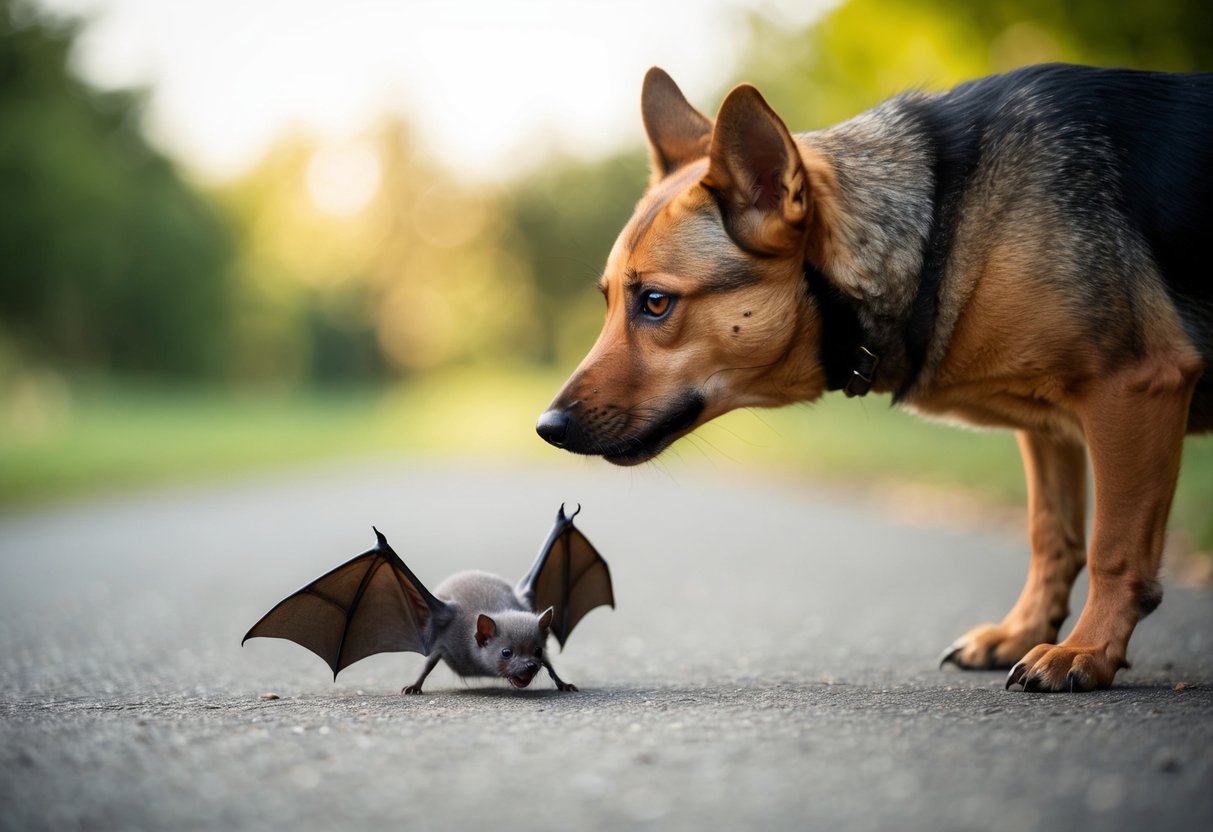
When dogs come into contact with bats, it raises concerns about rabies. This section will help you understand the risks associated with bat encounters and the unique behavior of bats.
Risks of Rabies from Bat Encounters
Rabies is a serious viral disease that can affect dogs and other animals. Bats are known carriers of the rabies virus, making any interaction potentially risky. If a bat bites your dog, the virus can enter through the wound, leading to severe health issues.
Not all bats carry rabies; studies suggest that less than 1% of bats are infected. Still, if your dog shows signs of distress after an encounter, consult your vet. Symptoms of rabies can include unusual behavior, aggression, or excessive drooling.
Ensure your dog is up-to-date on rabies vaccinations. This protection is essential, especially if your dog has had contact with wildlife like bats, foxes, skunks, or raccoons.
Biological Behavior of Bats
Bats are fascinating creatures that use echolocation to navigate and find food. They often feed on insects and are mostly active during dusk and dawn. Bats typically avoid contact with larger animals, including dogs.
When a bat feels threatened, it may bite in self-defense. This behavior can worry dog owners since it heightens the risk of rabies transmission.
It’s crucial to keep your dog away from areas where bats roost. If your dog does encounter a bat, stay calm and avoid direct contact. If a bat gets too close, gently guide your dog away. Being aware of bat habits can help you prevent unwanted encounters.
Immediate Actions Post-Exposure
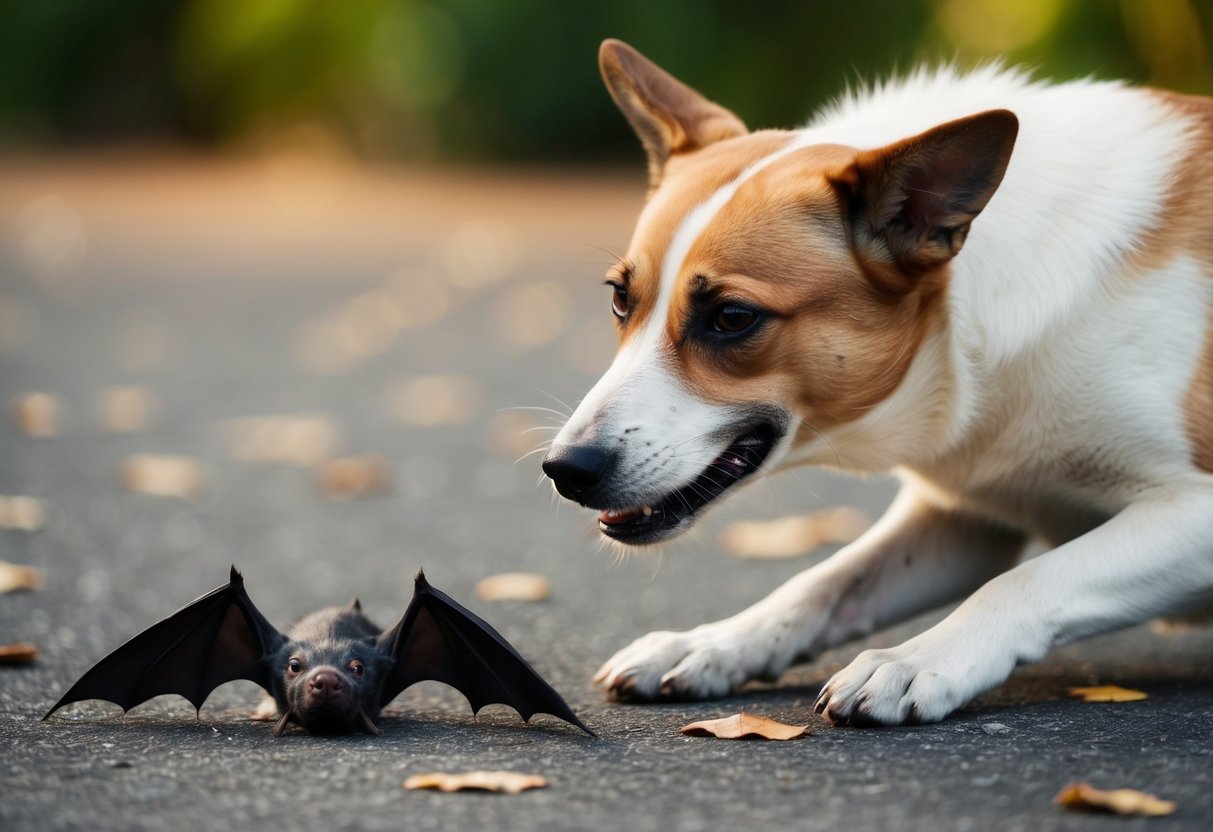
If your dog touches a bat, it’s important to act quickly. Bats can carry rabies, which is a serious concern. Here’s what you need to know.
Identifying Symptoms of Rabies in Dogs
After exposure to a bat, monitor your dog for any signs of rabies. Symptoms can appear anywhere from a few weeks to several months later.
Common symptoms include:
- Behavior changes: This may involve aggression or fearfulness.
- Disorientation: Your dog might seem confused or unsteady.
- Loss of appetite: If your dog suddenly doesn’t want to eat, it’s a red flag.
- Difficulty swallowing: Look for signs your dog is struggling to drink water or eat.
If you notice any of these symptoms, it’s vital to keep your dog away from other animals and people. Rabies is highly contagious and can be fatal.
When to Contact a Veterinarian
You should contact a veterinarian immediately if your dog touches a bat, especially if there are signs of a bat bite or scratch.
A vet will assess the situation. They may suggest:
- Vaccination: If your dog is not up-to-date on rabies shots, they will likely recommend giving the vaccine.
- Observation: Your vet may want to monitor your dog for a specific time.
- Quarantine: Depending on exposure risk, your dog may need to be quarantined for safety.
Don’t wait for symptoms to develop. Early action is crucial to protect your dog’s health.
Medical Intervention and Prevention

If your dog has had contact with a bat, knowing the next steps is important for their health. Understanding rabies vaccinations, how to handle bat exposures, and the need for post-exposure measures can help keep your pet safe.
Rabies Vaccination for Pets
Rabies vaccinations are essential for dogs and cats to prevent this deadly virus. Most states require pets to be vaccinated against rabies, often starting at around 16 weeks old.
It’s critical to keep your pet’s rabies vaccine up to date. Check with your veterinarian about booster shots to ensure full protection. If your dog has not been vaccinated and touches a bat, consult your vet immediately to discuss the best course of action.
Dealing with Bat Exposures and Bites
If your dog comes into contact with a bat or is bitten, your first step is to wash the affected area with soap and water. This can help reduce the risk of infection.
Next, take your dog to a veterinarian immediately. They may need a rabies vaccine if not current. Your vet knows the correct steps based on your dog’s health status and vaccination history.
Signs to watch for include:
- Unusual behavior
- Lethargy
- Aggression
Report these signs to your vet for proper evaluation.
Post-Exposure Vaccination and Booster Shots
If there’s a risk of rabies, your veterinarian may recommend post-exposure vaccination. This is especially important if your dog was not up-to-date on vaccinations.
The rabies vaccine should be administered as soon as possible after exposure. Your vet may also suggest a booster shot to enhance your dog’s immunity.
Keep in mind that acting quickly is key. Rabies has a high fatality rate, but vaccination can prevent the disease. Always check with your local health department for additional guidelines on rabies and pet health.
Resources and Support
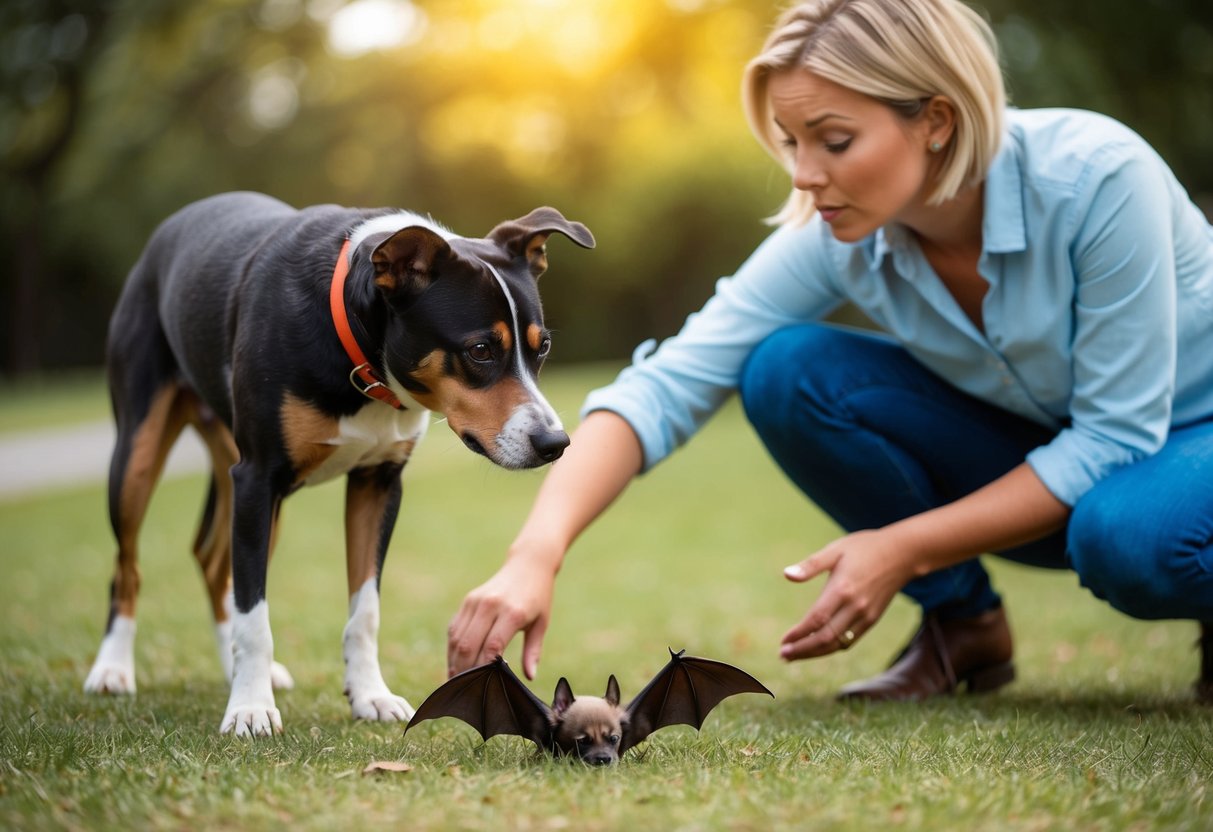
If your dog has touched a bat, it’s important to know where to turn for help. Legal and community resources can guide you, while support for pet owners can provide peace of mind in this stressful situation.
Legal and Community Health Resources
When faced with a potential rabies exposure, contact your local animal control agency. They will help you determine the next steps and can assist with rabies testing if needed. In many areas, if your pet comes into contact with a bat, public health agencies may require you to report the situation.
The CDC offers guidelines on what to do if you discover a bat in your home or if your pet interacts with one. If the bat is dead or you believe it could be rabid, do not touch it with your hands. Instead, you can cover it with a box or container. They may recommend having the bat tested to know if there is a rabies risk.
Support for Pet Owners
If your dog licked or touched a bat, contact your veterinarian right away. Your veterinarian can evaluate your dog’s health and recommend actions based on your pet’s vaccination status. If your pet has outdated rabies vaccinations, a booster shot may be necessary.
You can also reach out to local animal shelters or pet organizations for emotional support. They often have resources for pet owners facing these situations. Remember, rabies is fatal if not treated, so acting promptly is crucial.
Stay informed about rabies exposure and keep your pet’s vaccinations up to date to minimize risks.


