
When a sweat bee stings you, you’ll usually feel a quick, mild pain. Redness, itching, and swelling might follow around the spot.
For most people, sweat bee stings just cause minor discomfort unless you’re allergic. These little bees aren’t out to get you—they sting only if they feel threatened or get squished by accident.

You might spot a small bump or irritation that fades after a few hours. It’s smart to clean the area and keep an eye out for stronger allergic reactions—like trouble breathing or swelling that spreads.
Knowing what to expect can help you stay calm if a sweat bee stings you.
What Happens If a Sweat Bee Stings You?

When a sweat bee stings, you’ll feel some pain and notice certain symptoms. Sweat bee stings hurt less than other insect stings, but your reaction might depend on how sensitive you are.
It helps to know how their stings differ and what signs to watch for.
Immediate Sensations and Pain Level
If a sweat bee stings you, you’ll probably feel a sharp pinch or a mild burning. The pain is usually quick and not as bad as a honeybee or wasp sting.
Some folks say it’s just a fast sting, then maybe some itching or a bit of swelling.
Their venom isn’t strong compared to other bugs, so most people just get mild discomfort. Since their stingers are small, and they can sting more than once, you might get a couple of stings if you really annoy them.
You’ll probably see redness or a bump right away. Try to remove the bee gently so it doesn’t keep stinging you.
Typical Symptoms and Reactions
After a sweat bee sting, expect itching, redness, and swelling around the spot. These symptoms usually last a few hours, but if your skin is sensitive, they might stick around longer.
Sometimes, people get a mild allergic reaction—more swelling, warmth, or pain. If you see signs like trouble breathing, hives, or swelling spreading beyond the sting, get medical help fast.
Cleaning the sting and using a cold pack can help with irritation. You can try over-the-counter creams or antihistamines if the itching drives you nuts.
Differences Between Sweat Bee and Other Stinging Insects
Sweat bees are smaller and sting less aggressively than honeybees or wasps. Unlike honeybees, sweat bees don’t have barbed stingers, so they can sting you more than once.
Their venom is weaker, so their stings hurt less and rarely cause big problems. Honeybee stings hurt more and leave the stinger in your skin, which keeps releasing venom.
Wasps and yellow jackets act more aggressively and have stronger venom. They sting repeatedly and can cause worse reactions than sweat bees.
If you know these differences, it’s easier to stay calm if you get stung.
For more info on sweat bee sting pain and what to expect, check out this guide on sweat bee stings and how to react.
How to Respond and Care for Sweat Bee Stings
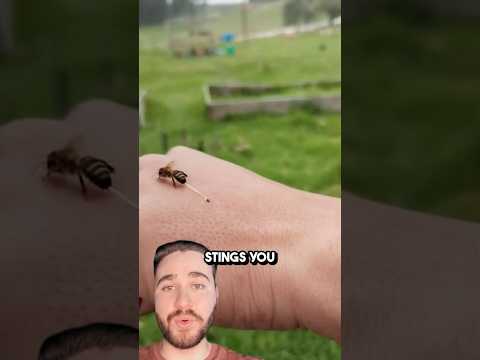
If a sweat bee stings you, acting quickly can help reduce pain and swelling. You’ll want to manage symptoms, watch for allergies, and know when to get medical help.
Effective Home Remedies for Relief
First, remove the bee gently to stop more venom from getting in your skin. Use something flat, like a credit card, to scrape it away.
Wash the area with soap and water to keep things clean.
To ease pain, press a cold pack or ice wrapped in a cloth on the spot for 10 to 15 minutes. That should help with swelling and numb the pain a bit.
You can take ibuprofen or acetaminophen if you need it. Creams with aloe vera or hydrocortisone can help with itching and redness.
Honey might also soothe the area since it’s got some antibacterial properties.
Try not to scratch, even though it’s tempting. Scratching can make things worse and cause more swelling.
Keep the area clean and dry as it heals.
When to Seek Medical Help
If you notice a lot of pain, redness that spreads, or swelling that gets worse after a day, call your doctor. These could mean infection or a stronger reaction.
Get medical help right away if you have trouble breathing, swelling in your face or throat, dizziness, or a racing heartbeat. Those are signs of a serious allergic reaction called anaphylaxis.
If you know you’re allergic to insect venom, use your prescribed epinephrine injector and get to the ER fast.
You might also need a doctor if you get stung several times or if your symptoms don’t get better after a few days.
Risks of Allergic Reactions and Long-Term Effects
Most sweat bee stings just hurt a little and cause some swelling. Still, a few people might get allergic reactions to sweat bee venom.
If you notice itching, hives, swelling that spreads, or you start having trouble breathing, don’t wait—get help fast. These signs can get serious quickly.
Getting stung more than once can actually make your allergic reaction worse next time. If you’ve ever had a rough reaction before, you’ll want to be extra careful around these bees.
Long-term effects? Honestly, they’re pretty rare. Most stings heal up in about a week, and you probably won’t have any lasting issues.
Keep an eye on the sting and how you’re feeling, especially if your skin’s sensitive or your immune system isn’t the strongest. Sometimes it’s tough to tell if something’s off, but it’s better to play it safe.
Curious about what to do if you get stung? Check out more on treating sweat bee stings and see the details about sweat bee venom risks.


