
When choosing a dog, comfort and affection are often top priorities for pet owners. You might wonder which gender of dog is more cuddly and loving. Research suggests that both male and female dogs can be equally affectionate, but personality and individual traits often play a bigger role than gender itself.
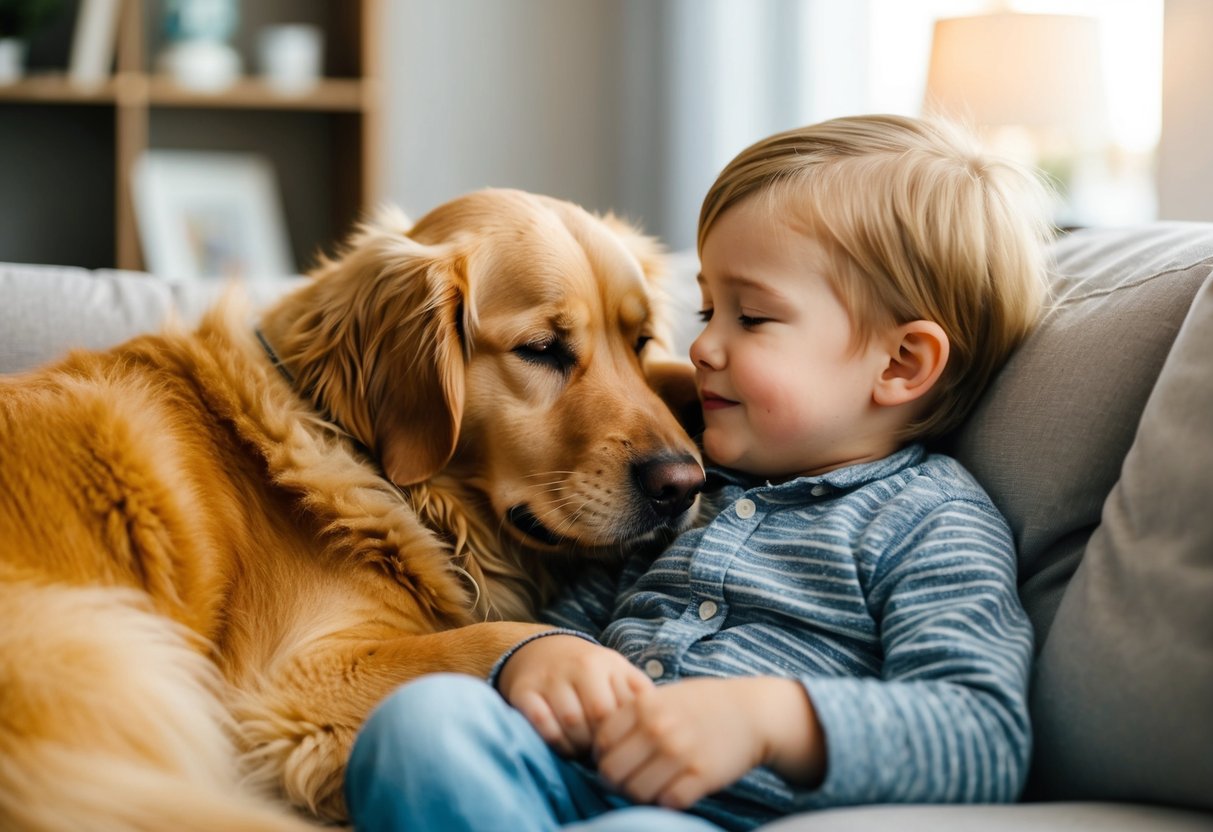
Many people think male dogs are more cuddly because they tend to seek out attention more frequently. However, female dogs can be equally warm and nurturing, especially if they have a strong bond with their owner.
Each dog is unique, so it’s essential to consider their background and socialization rather than just focusing on whether they are male or female.
Understanding Canine Cuddliness
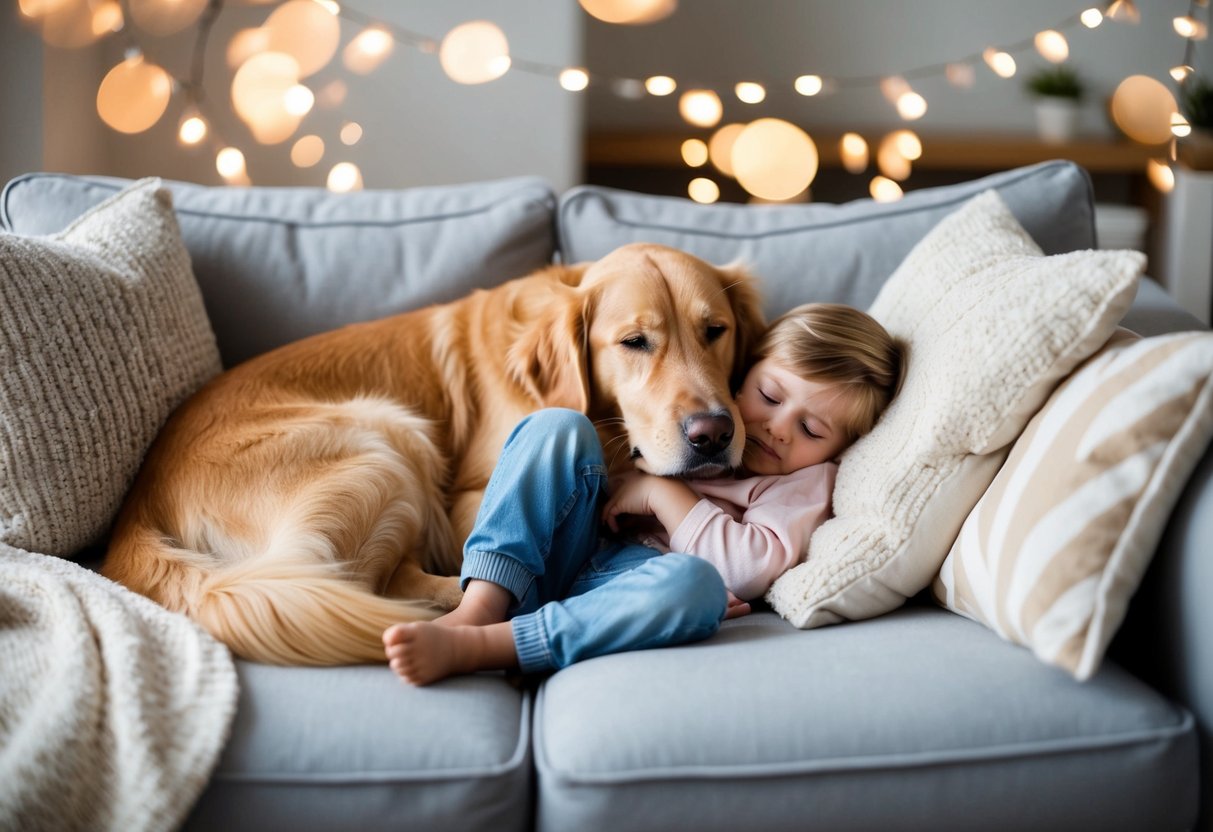
Cuddliness in dogs is influenced by various factors. Individual personality, socialization, and past experiences all play significant roles in how affectionate your dog can be.
Role of Individual Personality
Just like people, dogs have unique personalities. Some dogs are naturally more affectionate and enjoy cuddling, while others may prefer their space.
Male dogs tend to be more cuddly than females, likely due to their playful and loving nature. The level of cuddliness often correlates with a dog’s specific traits. For example, breeds known for their friendly demeanor, like Golden Retrievers, may lean toward being more snuggly.
Understanding your dog’s personality is essential. Observe how your dog reacts to closeness. If they lean in or seek your lap, it’s a good sign they enjoy cuddling.
Impact of Socialization
Socialization plays a key role in shaping how your dog interacts with people. Dogs that are exposed to a variety of experiences during their puppy years tend to be more confident.
Early interactions with humans, other dogs, and different environments help your dog feel secure. This security often makes them more likely to seek out affection.
For instance, a well-socialized dog will usually feel comfortable cuddling with you and showing their affection.
To encourage cuddling behavior, provide plenty of positive reinforcement when your dog seeks closeness. Reward them with treats or praise to strengthen this bond.
Influence of Past Experiences
A dog’s past experiences can greatly influence their behavior. Dogs that had positive interactions with humans in their early lives are more likely to be cuddly.
On the other hand, a dog that faced neglect or had a rough upbringing may be hesitant to show affection.
It’s important to be patient and allow these dogs to build trust over time. Creating a loving environment helps them feel safe. Engage in gentle playtime and give your dog time to adjust, which can increase their likelihood of being cuddly.
Gender Differences in Dogs

When choosing between a male or female dog, it’s helpful to understand their behavioral and health differences. These distinctions can guide your decision based on what traits you value in a pet.
Behavioral Distinctions
Male and female dogs often exhibit different behaviors. Male dogs may appear more affectionate and eager to bond, while female dogs can be more independent. Gender stereotypes suggest that males are more loving, but this varies by individual dog.
You might notice that male dogs often engage in playful, boisterous behavior. They may also show more dominance and can require training to manage marking or humping.
Female dogs, on the other hand, may display nurturing behavior, especially if they are unspayed.
Both genders can make excellent companions, but understanding these traits is key. It’s important to remember that personality plays a big role in behavior, regardless of gender.
Physical Health Considerations
Health concerns can also vary between male and female dogs. Male dogs are at risk for conditions like testicular tumors, especially if they are not neutered. Neutering can reduce these risks and help curb some behaviors.
Female dogs may face health issues related to their reproductive systems, such as uterine infections or mammary tumors if they remain unspayed. Spaying not only helps prevent these issues but can also influence behavior, often making females calmer.
Considering these health factors is crucial for long-term pet care. Proper spaying and neutering can lead to a healthier, happier life for your dog, regardless of their gender.
Effects of Breeding on Temperament

Breeding plays a significant role in the temperament of different dog breeds. Some breeds are known for their affectionate nature, while others may be more independent. Understanding these traits can help you choose a cuddly companion.
Comparing Breed Traits
Certain traits are linked to specific breeds. For example, the Golden Retriever is renowned for its friendly demeanor and love for human interaction. This breed thrives on companionship and is often very cuddly.
On the other hand, the Chihuahua may be more reserved, sometimes preferring solitude over snuggling. In contrast, the Cavalier King Charles Spaniel is known for being extremely affectionate, often seeking closeness and cuddles.
Breeds like the Newfoundland and Pug are also great cuddly companions due to their loving nature. They value human connection and may often be found resting in your lap. Each breed’s history influences its social skills and attachment to humans.
Loyalty and Attachment Styles
Loyalty is a core characteristic of many popular breeds. Golden Retrievers and Newfoundlands are often described as having strong loyalty, making them ideal for those wanting a devoted pet.
Such breeds typically form close bonds with their families, often seeking contact and affection.
The Bichon Frise and Cavalier King Charles Spaniel also display high levels of attachment, enjoying close interactions with their owners. In contrast, breeds such as the Greyhound and Chihuahua might show different styles of attachment, sometimes requiring more space and independence.
Keep in mind that individual personality matters just as much. While breed tendencies offer valuable insights, each dog’s behavior can vary greatly.
Caring for Your Cuddly Canine
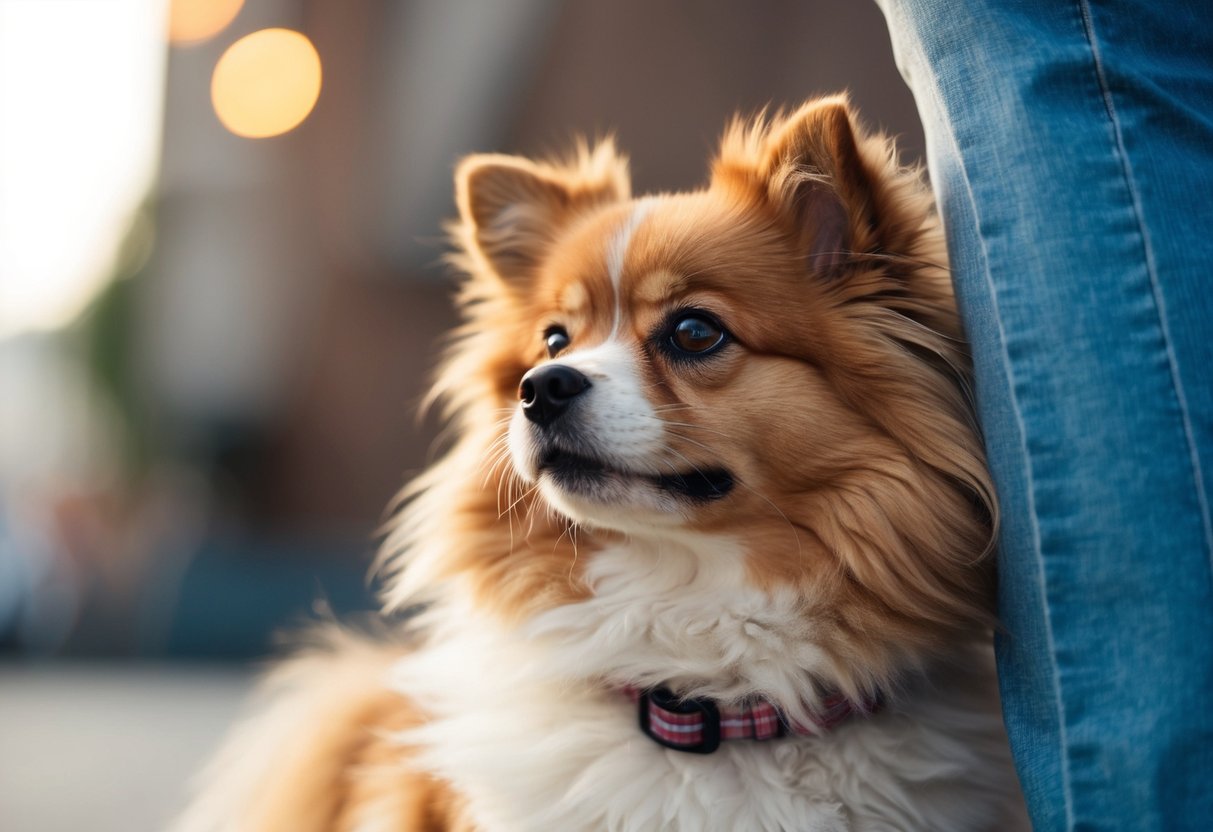
Taking care of your cuddly dog means focusing on training and managing any anxiety they may feel. With the right approach, you can help them feel secure and maintain their affectionate behavior.
Best Practices for Training
Training your dog is essential for building a strong bond. Start with basic commands like sit, stay, and come.
Use positive reinforcement, such as treats or praise, when they follow your commands. This helps them feel valued and strengthens your relationship.
Consider the benefits of neutering or spaying your dog. These procedures can reduce unwanted behaviors and make training easier.
Ensure you are consistent with your training sessions; short and frequent sessions work best. Remember that patience is key.
Create a comfortable environment where your dog feels safe to express themselves. This can enhance their cuddly nature. Lastly, avoid punishment, as it may lead to anxiety or fear, which can curb their affection.
Managing Anxiety and Behavior
Your dog might experience separation anxiety, especially if they are very attached to you. To help with this, establish a routine. Regular walks and feeding times can give them a sense of stability. When you leave home, try to make the experience low-key. Avoid long goodbyes, as this can heighten their anxiety.
You can also help your dog feel secure with their own space, like a cozy bed or blanket. Providing chew toys can distract them and keep them busy while you are away.
If your dog shows signs of anxiety, such as whining or destruction, consider consulting a professional trainer. They can help identify triggers and offer tailored strategies. Remember, your cuddly canine thrives on your love and attention, so make them feel secure.


