
Many dog owners notice that their furry friends can show signs of jealousy. Your dog may react oddly when you pay attention to other pets or even family members. Dogs can get jealous of people, other dogs, and even objects that attract your attention.
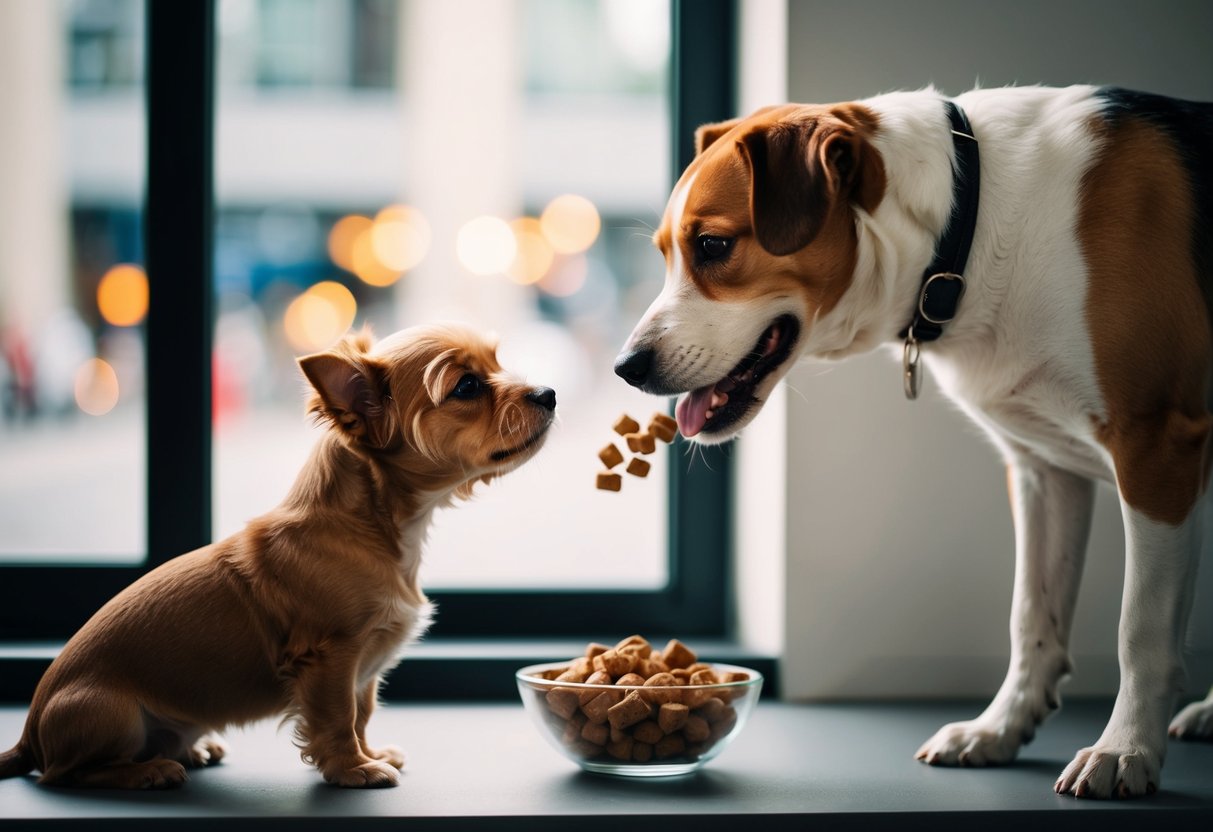
Understanding this behavior can help you manage it better and maintain a happy home.
You might find that certain situations trigger jealousy in your dog, leading to signs of anxiety or aggression. By recognizing these patterns, you can work on training and strategies to reduce jealousy in dogs.
Curious about what makes your dog feel jealous? Keep reading to discover the common signs of jealousy in dogs and ways to help your pet feel secure and loved.
Recognizing Jealousy in Dogs

Understanding how to identify jealousy in dogs is key for any pet owner. Recognizing the signs can help you address the behavior and improve your dog’s comfort and happiness.
Common Signs and Symptoms
Dogs express jealousy through various behaviors. You might notice attention-seeking behavior, especially if your dog tries to interrupt when you are with another pet or person.
This could include barking, whining, or even nudging you with their nose.
Another sign is pushy behavior. Your dog may try to place themselves between you and others or jump up for attention.
Resource guarding is another common issue; your dog may act defensively over toys, food, or even you!
If your dog seems upset when you leave the room, this could be jealousy as well. Watch for changes in body language, such as growling or a lowered tail, indicating they might feel threatened or anxious.
Assessing Jealous Behavior
To assess jealousy accurately, observe your dog’s reactions in different situations.
Take note of how they behave when other dogs are nearby. If they show signs like barking excessively or trying to dominate the space, this can indicate jealousy.
Consider environment factors too, like when you give attention to another pet.
If your dog exhibits jealousy when you pet another dog, this can also manifest through behaviors like blocking or pushing other dogs away.
Keep an eye on resource guarding as well. Watch how your dog reacts if someone approaches their favorite toy or food. Understanding these signs will help you manage jealousy effectively and encourage healthier behaviors.
Breeds Prone to Jealousy
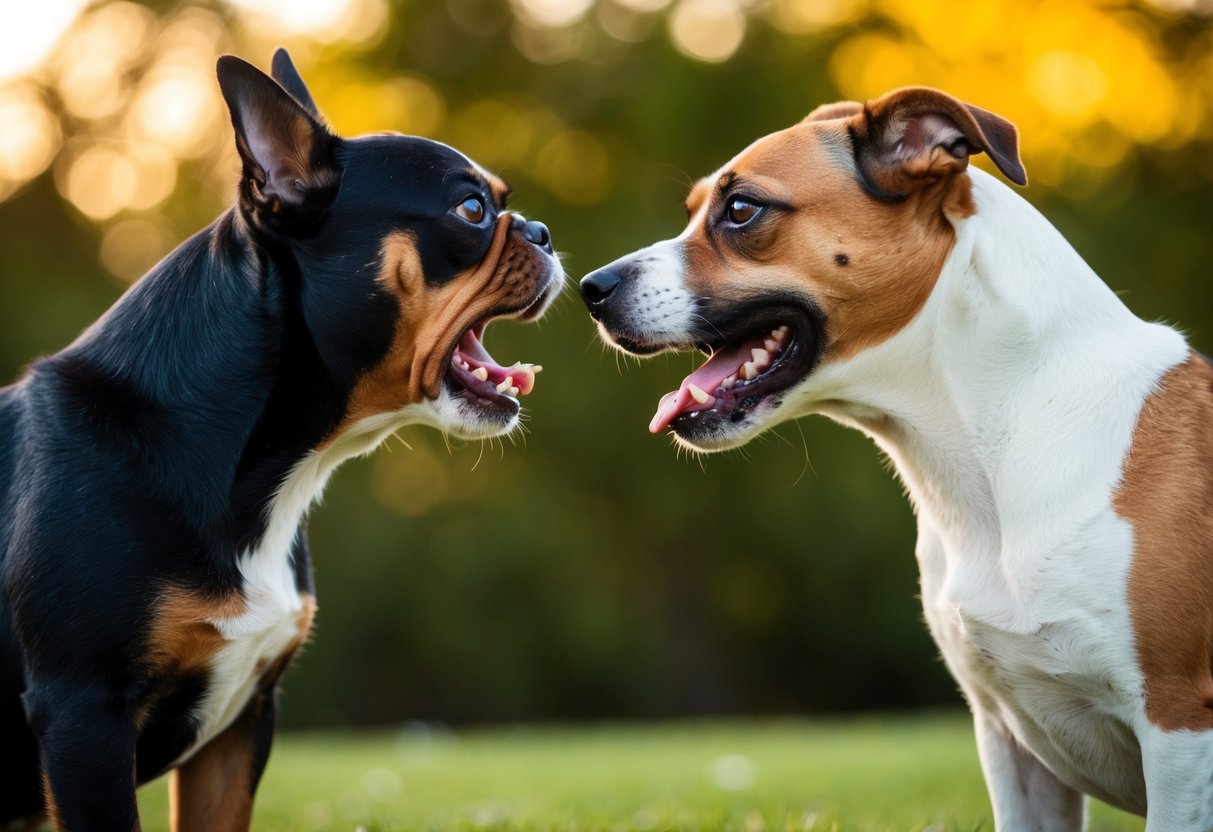
Certain dog breeds are known for their jealous tendencies. Understanding which breeds are more likely to exhibit jealousy can help you manage these behaviors effectively. Here, you will find specific insights about some of the most jealous dog breeds.
French Bulldog
French Bulldogs are often seen as one of the most jealous dog breeds. They form strong attachments to their owners and can feel threatened by other pets or even new people in the home.
This breed craves attention and affection, becoming upset if they sense they’re not the center of your world. You may notice them trying to push other pets away or seeking your attention persistently.
It’s important to provide them with reassurance and quality time to minimize their jealousy.
Cocker Spaniel
Cocker Spaniels can also show signs of jealousy. They are affectionate and loyal dogs, making them prone to feeling insecure when they think they are losing your attention.
If you have more than one pet, your Cocker Spaniel may react by barking, whining, or trying to get in between you and the other animal.
Offering your Cocker Spaniel individual attention can help ease their feelings of jealousy. Regular playtime and training can boost their confidence as well.
Border Collie
Border Collies are intelligent and highly energetic dogs. Their strong bond with their owners can lead to jealous behavior if they feel neglected.
This breed thrives on mental stimulation and companionship. You might find them getting agitated or trying to compete for your attention with other pets.
Engaging them in activities like agility training or interactive games can keep them happy and less focused on feelings of jealousy.
Australian Shepherd
Australian Shepherds are protective and loyal, making them prone to jealousy. Their natural instincts lead them to safeguard their owners and territory.
If they sense another pet getting too close to you, they may respond with barking or pushing the other pet away.
Providing clear boundaries and consistent training can help manage their jealous tendencies. Regular exercise and socialization are important for their overall happiness.
Labrador Retriever
Labrador Retrievers are friendly and outgoing. While their temperament is generally easygoing, they can still exhibit jealousy, especially when they feel overlooked.
Labs love being with their families and can act out if they notice you giving more attention to another dog or person.
To help combat jealousy, make sure to give your Lab plenty of love and playtime, ensuring they know they are valued and secure in your affection.
Golden Retriever
Golden Retrievers are beloved for their friendly disposition, but they can also become jealous. They are very attached to their owners and thrive on interaction.
If they see another dog getting affection, they may try to get your attention by whining or nudging.
To reduce jealousy, spend quality time with your Golden Retriever, engaging in activities like fetching or swimming. Positive reinforcement training can also help them feel more secure.
Brussels Griffon
Brussels Griffons are small dogs with big personalities. Their loyalty makes them prone to jealousy, especially if they perceive that they are not receiving enough attention.
This breed often seeks to be the center of your universe and can show signs of displeasure if another pet diverts your focus.
Regular bonding experiences and maintaining a routine can help them feel secure and loved, reducing any jealousy.
German Shepherd
German Shepherds are known for their protective instincts and loyalty. This breed can exhibit jealous behaviors, especially if they feel their bond with you is threatened.
They may become possessive of you or their toys.
To manage jealousy, provide consistent training and socialization. Engage them in activities that involve their natural instincts, which can help channel their energy positively.
Rottweiler
Rottweilers are confident and devoted dogs. Their strong attachment to their family members can lead to jealousy when they sense competition from other pets or people.
They may act possessively or aggressively if they feel their place is being challenged.
To ensure your Rottweiler feels secure, provide them with plenty of positive reinforcement, training, and social experiences. This will help create a balanced environment for them.
Managing and Reducing Jealousy
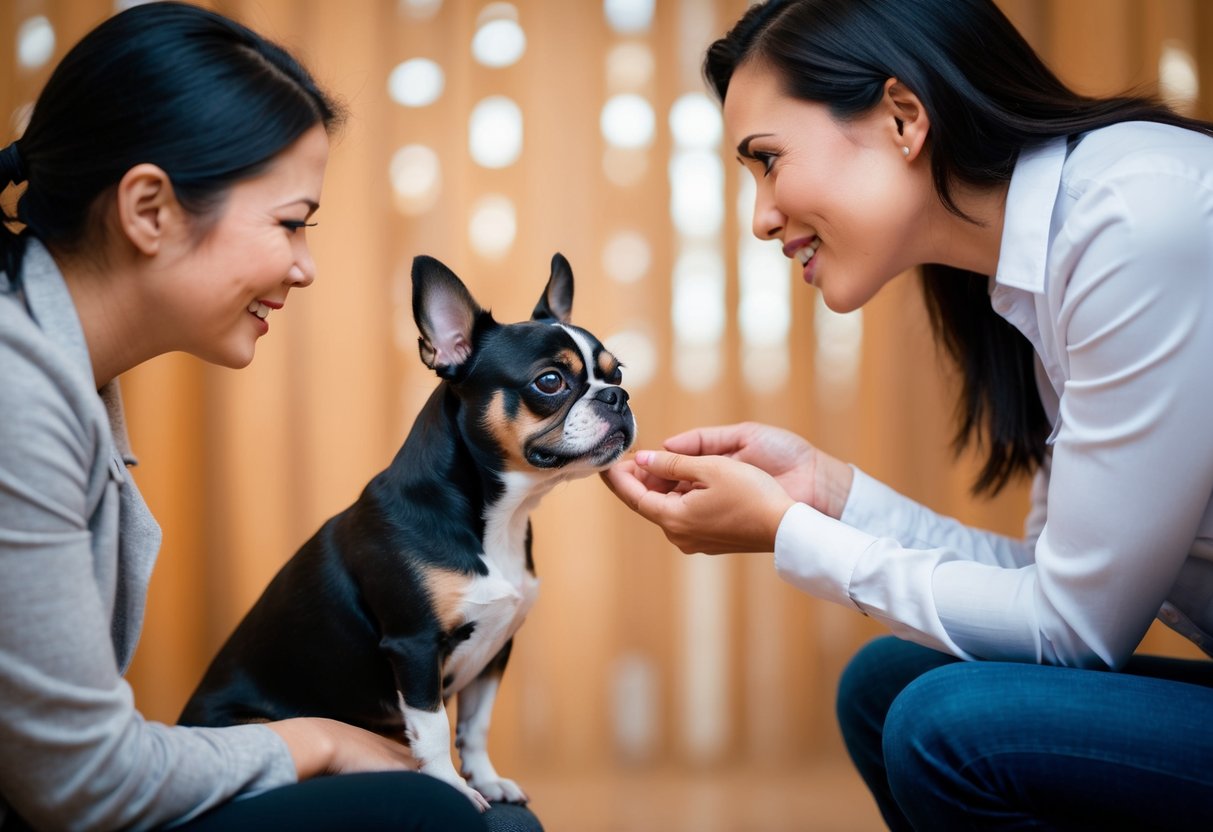
Jealousy in dogs is an important issue that can lead to harmful behaviors. Understanding how to manage and reduce this jealousy is key to maintaining harmony in your home. Here are some practical strategies to help you address this behavior.
Training and Socialization
Training is vital for managing jealousy in dogs.
Start with basic commands like “sit,” “stay,” and “leave it.” This can help you gain control over your dog’s actions. Use positive reinforcement, like treats, to encourage good behavior.
Socialization is also crucial. Expose your dog to various environments, people, and animals. This helps them learn to cope with new situations and reduces fear-based jealousy.
Join a dog class or arrange playdates with other dogs. These experiences can help your dog feel more secure and less threatened by others.
Environmental Management
Create a calm environment to minimize triggers that cause jealousy.
Limit situations where your dog feels they are competing for your attention.
For example, when you have guests over, set up a quiet space for your dog away from the action.
You can also rearrange your living space. Use baby gates to separate areas if necessary. This protects your dog from feeling overwhelmed and allows them to relax.
Finally, keep toys and treats accessible. Dogs can get jealous over possessions, so having multiple toys prevents fights. Rotate toys regularly to keep them interesting and share the love fairly.
Providing Equal Attention
Jealousy in dogs is often caused by a lack of attention. Make a conscious effort to give equal time to all your pets.
Try setting aside specific times each day for individual interactions. Play, walk, or cuddle with each dog to avoid feelings of neglect.
When you provide attention, do it in a balanced way. If you are petting one dog, occasionally reach out to the others for a quick pat. This shows them that they are equally valued.
Also, avoid focusing too much on one dog during special moments, such as when giving a treat or praise. This gradual approach helps reduce possessiveness and fosters a harmonious environment.


