
Having multiple dogs can bring joy, but it may also lead to challenges, especially when some dogs don’t get along. Recognizing the signs that your dogs are not compatible can help you manage their interactions more effectively. Understanding why certain dogs may clash is essential for maintaining peace in your home.

Different breeds, ages, and temperaments can lead to friction among your pets. For instance, some breeds have strong instincts that make them less compatible with others, or one dog may be more dominant, leading to conflicts.
If you’re struggling with a multi-dog household, knowing which dogs typically don’t get along can help you create a harmonious environment.
By identifying triggers and behaviors that cause tension, you can take steps to improve your dogs’ relationships. With the right strategies and patience, you can foster a peaceful coexistence among your furry friends.
Understanding Canine Behavior

Understanding your dog’s behavior is vital for ensuring they get along with other dogs. Each dog has its unique way of communicating, and recognizing signs of aggression or jealousy can help you manage their interactions better. You will also learn how dominance plays a role in their social structure.
Communication Through Body Language
Dogs communicate primarily through body language. Observing your dog’s posture can provide insights into their feelings.
For instance, a dog with a relaxed body and wagging tail is likely at ease. On the other hand, a stiff body, raised hackles, or a tucked tail can indicate distress or aggression.
Pay attention to ear position too; ears back might signal fear, while ears upright can mean alertness. Understanding these signals can help you prevent conflicts before they start.
Signs of Aggression and Jealousy
Aggressive behavior can stem from various causes. It often occurs due to fear, territoriality, or competition for resources. Signs of aggression include growling, snapping, or lunging at other dogs.
Jealousy can also emerge when your pet feels insecure. For example, if you give attention to another dog, your dog might bark or push their way in. Recognizing these signs can help you address behavioral problems early. Training techniques, such as positive reinforcement, can assist in modifying these behaviors.
The Impact of Dominance
Dominance is another factor to consider in dog interactions. Dogs have a natural hierarchy, and some might display dominant behaviors like mounting, standing tall, or blocking others.
This behavior can lead to conflicts, especially if one dog feels challenged. It’s essential to know your dog’s personality. Some dogs are more submissive, while others may be more assertive. Understanding these dynamics can help you manage interactions and foster better relationships among dogs.
Dog Socialization and Training Essentials
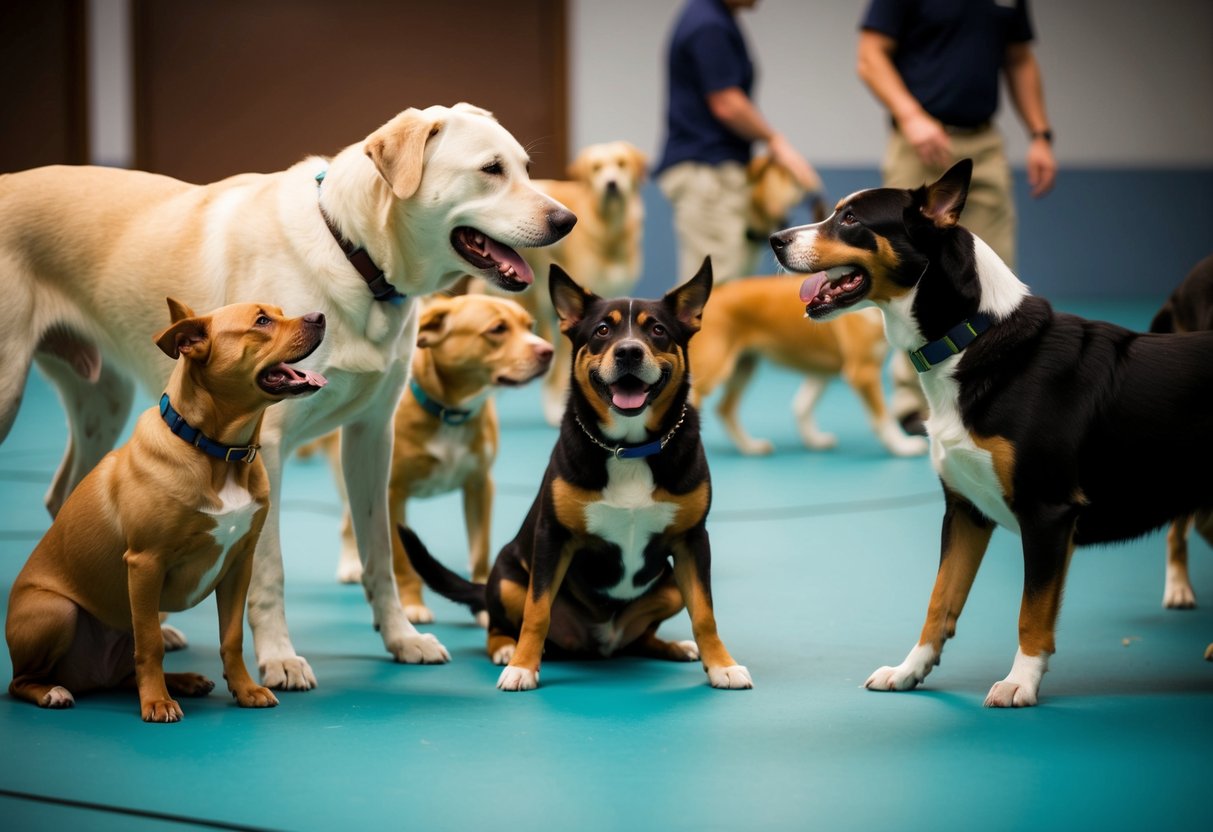
Socialization and training are key to helping dogs get along with one another. Proper techniques can foster calm interactions, while also promoting good behavior. Here are some essential elements to consider.
The Role of Proper Introductions
When introducing dogs, the first meeting is crucial. Start with a controlled introduction. Use neutral territory, like a park, where no dog feels protective.
Keep both dogs on a leash but allow some slack for a relaxed body language. Observe their body signals: relaxed tails and easy posture are good signs.
Reward positive behavior with treats to create positive associations. If one dog shows signs of anxiety, take a step back. Allow them to get familiar gradually, as rushing can lead to stress or aggression.
Training Methods for Better Harmony
Effective training methods are vital for promoting harmony among dogs. Positive reinforcement is particularly effective. When your dog behaves well with another pet, reward them with praise or a treat.
Basic commands—like “sit” or “stay”—can help manage interactions. Regular training sessions help your dog become more responsive.
Seek guidance from a dog trainer or behaviorist if needed. They can provide specialized tips tailored to your dog’s needs, ensuring effective learning.
Incorporating fun activities like group classes can also improve social skills. This encourages friendly interaction in a safe environment.
The Benefits of Neutering
Neutering can play an important role in reducing behavioral issues. Unneutered males may display aggressive or territorial behavior, which can disrupt harmony.
By neutering, you may notice a decrease in these tendencies, allowing for more peaceful interactions with other pets. For females, neutering can reduce mood swings during heat cycles.
Discuss these options with your vet. They can give you tailored advice based on your dog’s breed and temperament. Making this choice can lead to better socialization outcomes, making your home a happier place for all pets.
Managing Multi-Dog Households
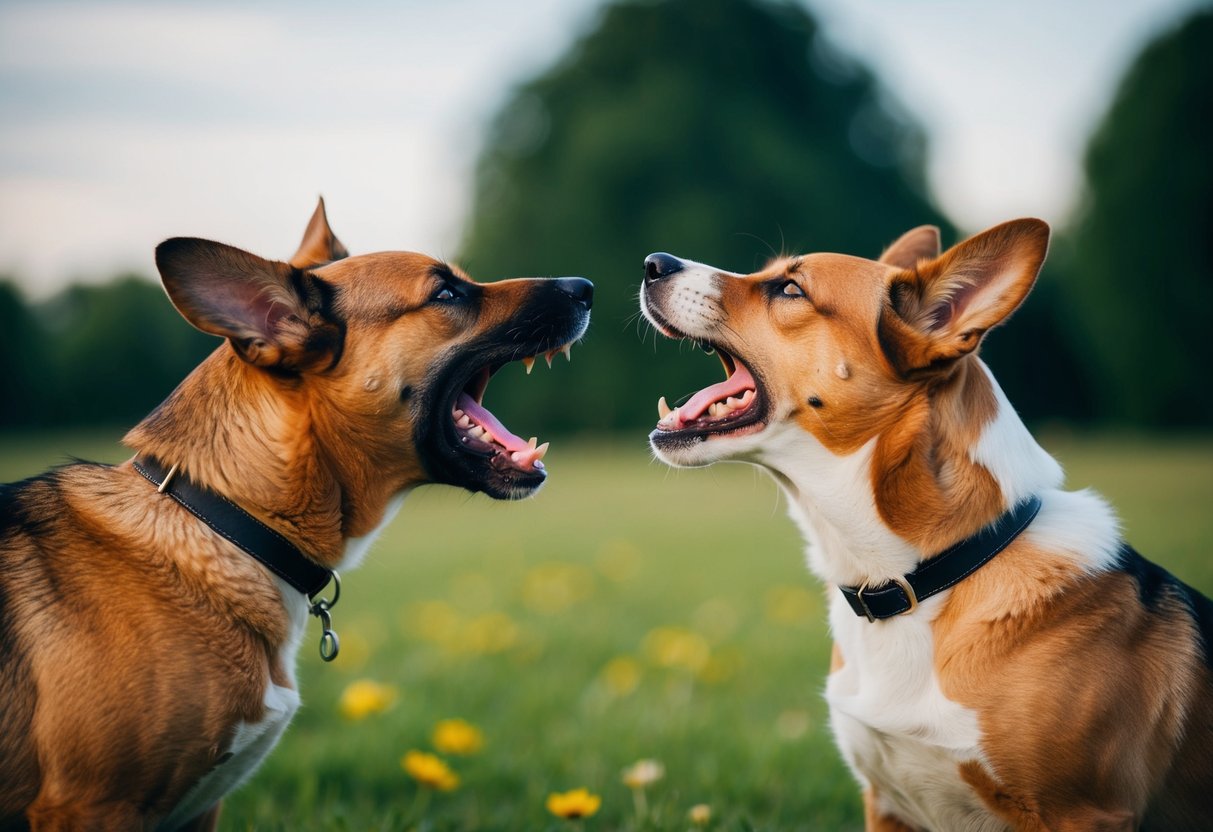
Managing a multi-dog household can be a rewarding experience, but it comes with challenges. To keep your dogs happy and safe, you should focus on reducing resource guarding, implementing proper supervision, and knowing when to seek professional help.
Reducing Conflict with Resource Guarding
Resource guarding happens when dogs feel the need to protect their belongings, like food or toys. This behavior can lead to tension.
To minimize this, feed your dogs in separate areas and use several bowls. Rotate toys to keep them fresh and exciting. When introducing new items, supervise closely.
If you notice suspicious behavior, use body blocks, where you physically position yourself between dogs to prevent confrontations. Positive reinforcement training can help too.
Reward your dogs for calm behavior around each other. This builds trust and encourages peaceful coexistence.
Supervision Strategies for a Peaceful Home
Keeping an eye on your dogs is crucial. Supervision helps catch issues before they escalate. Use gates to separate areas when you can’t watch them directly.
Create safe spaces for each dog to retreat when feeling overwhelmed. Practice structured playtimes to manage their energy.
Encourage positive interactions and redirect any aggressive behavior right away. Using a leash indoors can also help. This allows you to control your dogs more easily and prevent fights.
Remember, supervise group play closely. If things get too rough, step in to calm them down.
When to Consult an Animal Behaviorist
If conflicts persist despite your efforts, it may be time to seek help from an animal behaviorist. These professionals can assess your specific situation and offer tailored strategies for managing your dogs.
Signs you may need to consult include constant fights, severe fear, or one dog always acting aggressively. A behaviorist can teach you tools to address redirected aggression and improve your dogs’ interactions.
Getting help early can save stress for both you and your dogs. Investing time in professional guidance can lead to a happier, more peaceful home for everyone.
Breed-Specific Considerations

When choosing a dog for a multi-pet household, it’s essential to know how certain breeds behave. Some dogs have traits that can make them less likely to get along with others. This section looks at the typical behaviors found in specific breeds and zeroes in on the Chihuahua.
Typical Behavioral Traits in Breeds
Certain dog breeds exhibit unique behavioral traits that can affect their social interactions. For example, herding breeds like Border Collies may be prone to chase smaller animals. In contrast, some sight hounds such as Greyhounds may be more aloof and indifferent to other pets.
Some breeds are known for their guarding instincts, making them wary of newcomers. Pit Bulls or Rottweilers, while loving to their families, might be aggressive toward other animals if not properly socialized.
Additionally, high-energy breeds may overwhelm calmer pets. It’s important to observe individual behaviors, as every dog has a unique personality.
The Chihuahua Case Study
Chihuahuas are small but feisty dogs. They often show a strong protective nature. However, their boldness can sometimes lead to conflicts with larger dogs. This behavior stems from their instinct to defend their space and loved ones.
Chihuahuas might react aggressively if they feel threatened. To ensure they get along with other pets, early socialization is key. Exposing them to various animals can help them adapt better.
It’s also helpful to supervise playtime with other breeds. This way, you can intervene if tensions arise. Ensuring your Chihuahua feels safe can lead to a more harmonious household.


