
When it comes to your dog’s health, feeding them the right amount of food is crucial. Some dogs may be okay with two cups of food a day, but it really depends on their size, age, and level of activity. Understanding your dog’s specific needs can help you determine if you’re meeting their nutritional requirements.

Feeding guidelines typically suggest that adult dogs are usually fed twice a day. If your dog is small, two cups might be too much, while larger breeds may need more. It’s important to look at the specific recommendations for your dog’s breed and weight to ensure you’re providing adequate nutrition.
By paying attention to your dog’s behavior and weight, you can find the right balance. Observing changes in energy levels or weight can help you adjust their food portions as needed. This way, you ensure your furry friend is healthy and happy.
Assessing Your Dog’s Needs

To determine if 2 cups of food a day is suitable for your dog, you need to consider body condition and activity level. Both factors play a significant role in meeting your dog’s caloric needs.
Understanding Body Condition Scores
A Body Condition Score (BCS) helps you assess your dog’s weight and overall health. It ranges from 1 to 9, with 1 being underweight and 9 being obese. Ideally, your dog should score between 4 and 5, indicating a healthy weight.
To check your dog’s BCS, feel for their ribs. If you can easily feel them without excess fat, they might be at a good weight. On the other hand, if you can’t feel them at all, your dog may be overweight. Adjusting food portions based on their BCS is essential for weight management and overall dog health.
Activity Levels and Caloric Needs
Your dog’s activity level greatly impacts their caloric needs. Active dogs may require more calories compared to those with a sedentary lifestyle.
Generally, you should feed about 1 to 1.5 cups of food for every 10 pounds of your dog’s weight, but this can vary.
To estimate your dog’s Resting Energy Requirement (RER), use this formula:
RER = 70 * (Body Weight in kg)^0.75
This will give you a baseline for how much energy your dog needs at rest. Adjust the daily food amount based on their exercise routine. For example, an active 30-pound dog may need 2 to 2.5 cups of food each day, while a less active dog should receive less to maintain a healthy weight.
Age-Specific Feeding Guidelines

Different life stages of dogs require unique feeding approaches to meet their nutritional needs. Understanding these requirements can help you provide the best diet for your furry friend.
Puppy Feeding Requirements
Puppies need special attention when it comes to their food. Their bodies are growing fast, which means they require more calories and nutrients than adult dogs.
Typically, puppies should eat high-quality puppy food that is rich in protein, vitamins, and minerals. You can follow a puppy feeding chart to determine how much food you should offer based on age and weight.
For example, a 3-month-old puppy weighing about 10 pounds may need 1 to 1.5 cups of food daily, split into three meals. As they grow, adjust the amount according to their weight and activity level.
Adult Dog Feeding
For adult dogs, the feeding needs change. At this stage, they require a balanced diet to maintain energy and overall health.
You’ll want to choose a suitable dog food formula based on your dog’s weight, size, and activity level. Generally, an average adult dog might need between 2 to 2.5 cups of food each day, divided into two meals.
It’s important to always check the feeding guidelines on the dog food packaging. These guidelines help you decide the right amount based on the specific nutritional profile of the food.
Senior Dog Nutrition
As dogs age, their nutritional needs evolve again. Senior dogs often have different health challenges, such as weight management or joint issues.
Look for senior dog food that is lower in calories but still high in essential nutrients. Many formulas include added omega fatty acids for skin and joint health.
Feeding portions will also change. A senior dog might need 1.5 to 2 cups of food daily, depending on weight and activity. Always consult with your veterinarian to adjust portions as needed.
Selecting the Right Food

Choosing the right dog food is essential for your pet’s health and happiness. Various brands offer different ingredients and formulations, making it important to evaluate your options carefully. A quality diet can impact your dog’s joint health and overall well-being.
Comparing Dog Food Brands
When comparing dog food brands, look for those that list meat as the first ingredient. This indicates a good protein source. Check for quality certifications and look for brands that follow AAFCO (Association of American Feed Control Officials) standards.
Consider your dog’s needs, such as age, weight, and whether they are neutered. Neutered dogs may require fewer calories, so choose a formula that suits your pet’s lifestyle. Use a feeding schedule to help manage portions effectively.
Some popular brands include:
- Blue Buffalo: Known for their natural ingredients.
- Wellness: Offers grain-free options.
- Royal Canin: Tailors diets for specific breeds.
The Role of High-Quality Dog Food
Feeding your dog high-quality food plays a crucial role in their long-term health. Good dog food provides essential nutrients that support joint health, skin, coat, and overall vitality. Avoid foods with fillers like corn and soy, as they offer little nutritional value.
Ingredients like omega-3 and omega-6 fatty acids support a shiny coat and healthy skin. Additionally, look for foods that contain antioxidants to boost the immune system.
Consult your veterinarian to help you choose the best option. They can recommend specific brands or formulations to address any health concerns your dog may have. Quality food ensures your furry friend enjoys a longer, healthier life.
Practical Feeding Tips
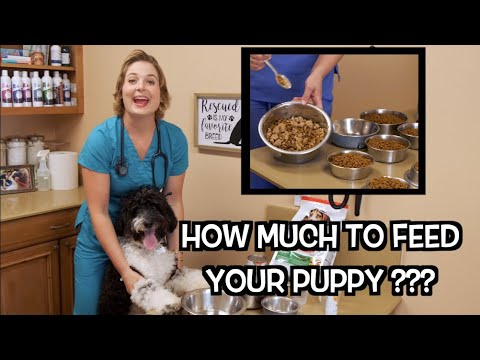
Feeding your dog the right amount is crucial for their health. Having a consistent schedule and managing portion sizes can help keep your dog happy and healthy.
Developing a Consistent Feeding Schedule
Setting a regular feeding time is important for your dog. Aim to feed them at the same times each day. This helps their digestive system and gives them a sense of routine.
You can start with two meals a day. If you are unsure how much to feed, consider using a dog feeding chart. These charts usually provide recommended portions based on your dog’s weight and activity level.
For example:
| Dog Weight | Daily Food Amount |
|---|---|
| 10 lbs | 1 1/4 – 1 3/4 cups |
| 20 lbs | 1 3/4 – 2 3/4 cups |
| 30 lbs | 2 – 2 1/2 cups |
If you prefer, you can use a calorie calculator to find the exact amount your dog needs. Regular feeding helps your dog anticipate meal times, which can be comforting.
Managing Portion Sizes and Control
Keeping your dog at a healthy weight requires portion control. The proper serving size varies based on your dog’s size, age, and activity level.
Always measure your dog’s portions when feeding them. Use a measuring cup to ensure accuracy. This prevents overfeeding and helps maintain their ideal weight.
Regularly keep track of your dog’s weight. If you notice they are gaining or losing weight, you may need to adjust their portions. Consider consulting with your vet for personalized advice.
Also, avoid giving too many treats. Treats should only make up about 10% of their daily calorie intake. This will help ensure they get the nutrition they need while enjoying occasional rewards.


