
As a new puppy owner, you may wonder about the best way to start potty training your 6-week-old puppy. You can begin to take your young puppy outside to pee, but there are important considerations to keep in mind. At this age, your puppy is still very much in the early stages of learning how to handle their bathroom needs.
Taking your puppy outside can be a great way to set good habits early on. Just be cautious of their exposure to unfamiliar environments, as puppies are still building their immunity. Creating a safe and clean space in your yard can help make this process smoother and more effective for your puppy.
Potty training requires patience, and getting your puppy accustomed to outdoor potty breaks will help them understand where it’s appropriate to go. Starting early can lead to successful and consistent bathroom habits as your puppy grows.
Understanding Puppy Development
Puppies grow and change quickly in their early weeks. Knowing about vaccination timelines and the critical socialization period helps you care for your puppy effectively.
Vaccination Timeline
Puppies need vaccinations to protect them from dangerous diseases. At 6 weeks, your puppy might be ready for their first set of shots. Common vaccinations include those for parvovirus, canine distemper, adenovirus, and rabies.
The vaccination schedule typically starts at 6 to 8 weeks and continues every 3-4 weeks until about 16 weeks of age. It’s essential to keep your puppy safe during this time, as they are still building immunity. Avoid taking them to public places where they might encounter other unvaccinated dogs until they are fully vaccinated.
Critical Socialization Period
The critical socialization period for puppies is between 3 and 14 weeks. During this time, exposing your puppy to different sights, sounds, and people helps them grow into a well-adjusted adult dog.
Socialization plays a vital role in preventing fear and aggression later on. You should introduce your puppy to various experiences safely. Since your puppy is only 6 weeks old, focus on positive experiences at home. After their vaccinations, gradually introduce them to new environments. This early exposure is crucial for their confidence and behavior as they grow.
Potty Training Essentials
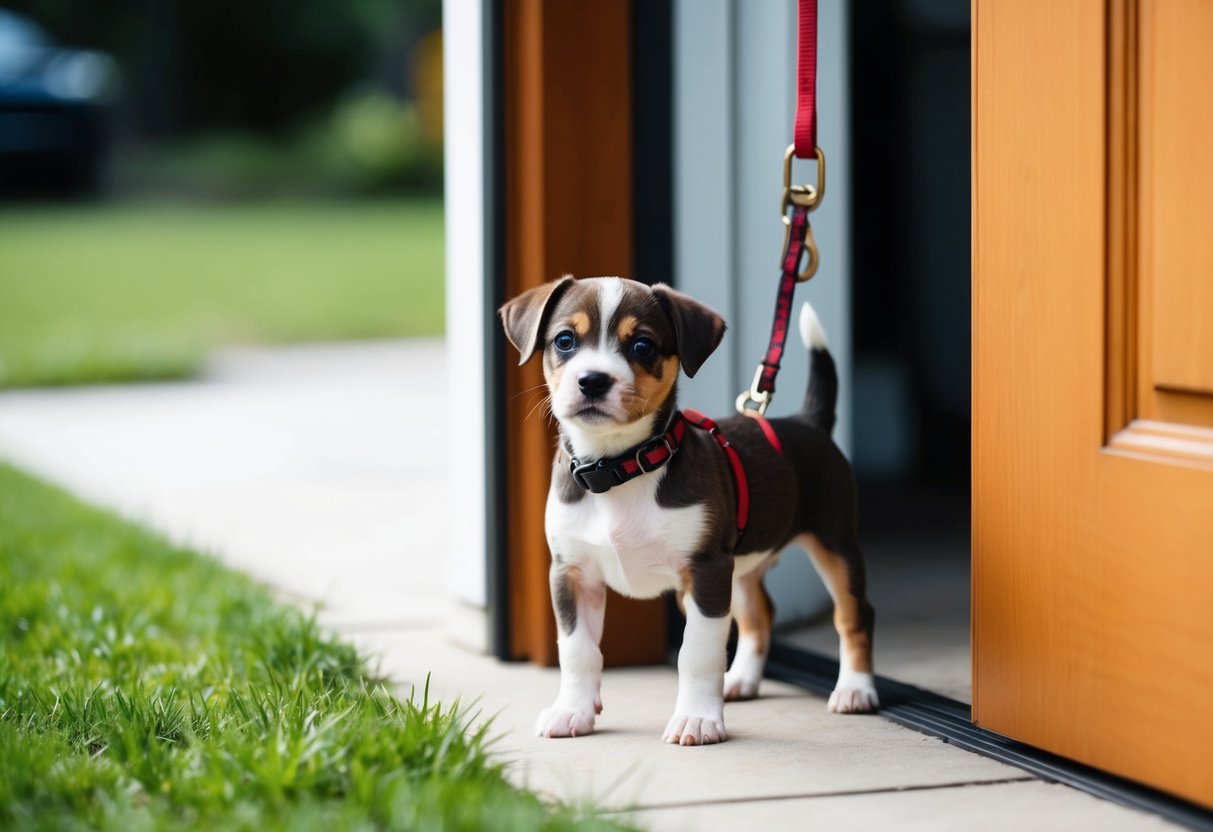
Potty training your 6-week-old puppy requires a clear plan and understanding the best training methods. Knowing how to create an effective routine and deciding between indoor or outdoor training will help make this process smoother.
Creating a Potty Training Plan
Start by setting a consistent schedule for potty breaks. Puppies at this age usually need to go every 30 to 45 minutes. Make a list of times during the day when you’ll take your puppy outside.
Be sure to take your puppy out first thing in the morning, after meals, and before bedtime. These are key times when they’ll need to go. Always supervise your puppy indoors to catch accidents early.
Establish a specific potty spot outside. This helps your puppy associate that area with bathroom breaks. Use positive reinforcement, like treats and praise, when they go in the right place. Simple rewards can motivate them and form good habits.
Indoor vs Outdoor Training
If weather or space limits outdoor options, consider indoor potty training. Using puppy pads can be effective. Place them in a designated area for easy access.
For indoor training, keep the area clean and introduce your puppy to the pads regularly. Change them often to avoid odor buildup, which might confuse your puppy.
When you choose outdoor training, bring your puppy to the same spot each time. This consistency helps them learn where they should go. Be patient, as some puppies may take longer to adjust.
Preventing Health Risks
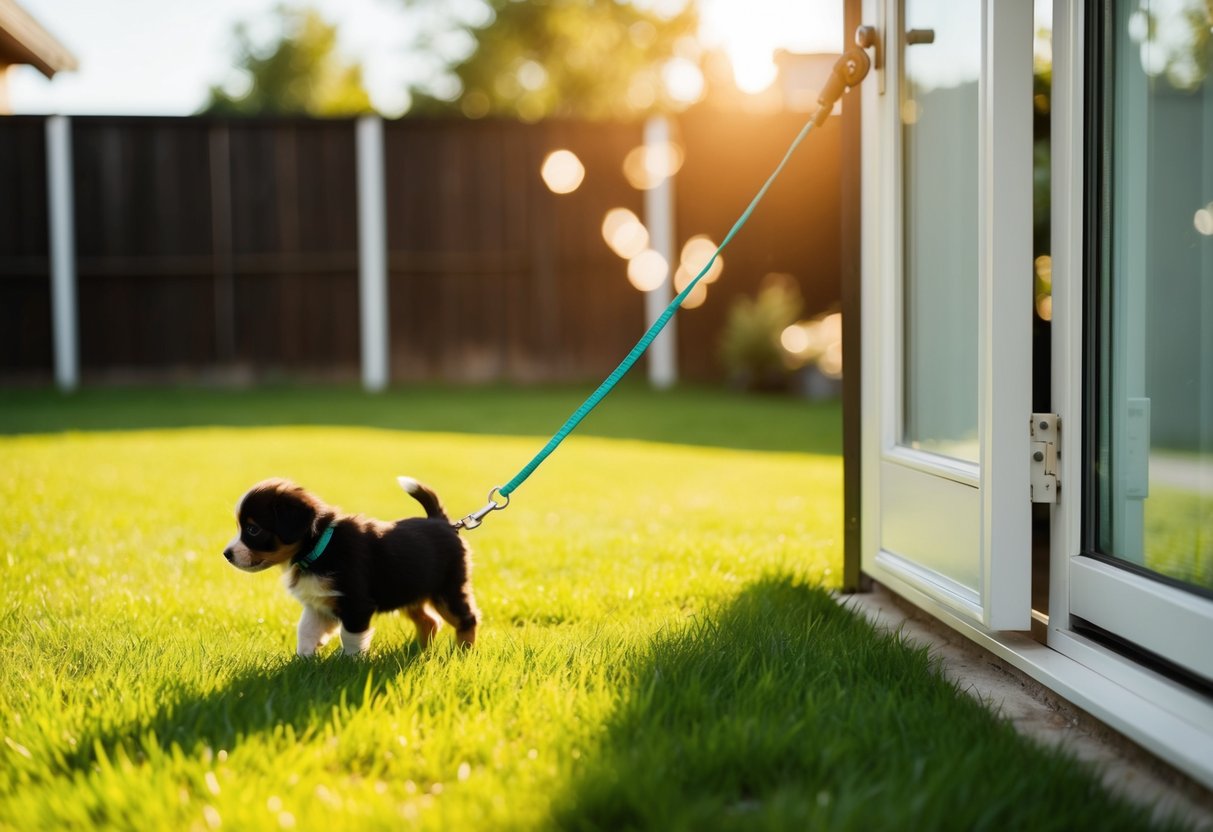
Taking your 6-week-old puppy outside can bring some health risks. It’s important to be aware of diseases that can affect unvaccinated puppies and how to protect them while they explore the outside world.
Safeguarding Against Parvovirus and Other Diseases
One of the biggest concerns for unvaccinated puppies is canine parvovirus, often simply called parvo. This virus is highly contagious and can lead to severe illness or even death. Puppies can catch parvo from contaminated surfaces, places where other dogs have been, and even from humans who have come into contact with infected dogs.
To protect your puppy, keep them away from areas with high dog traffic, like dog parks. Your puppy should receive its first parvo vaccine by around 8 weeks old. If you have concerns, consult your veterinary clinic about the appropriate vaccination schedule. Other diseases like leptospirosis and distemper can also be prevented with timely vaccinations. Taking precautions now can keep your furry friend healthy and safe.
Safe Outdoor Practices for Unvaccinated Puppies
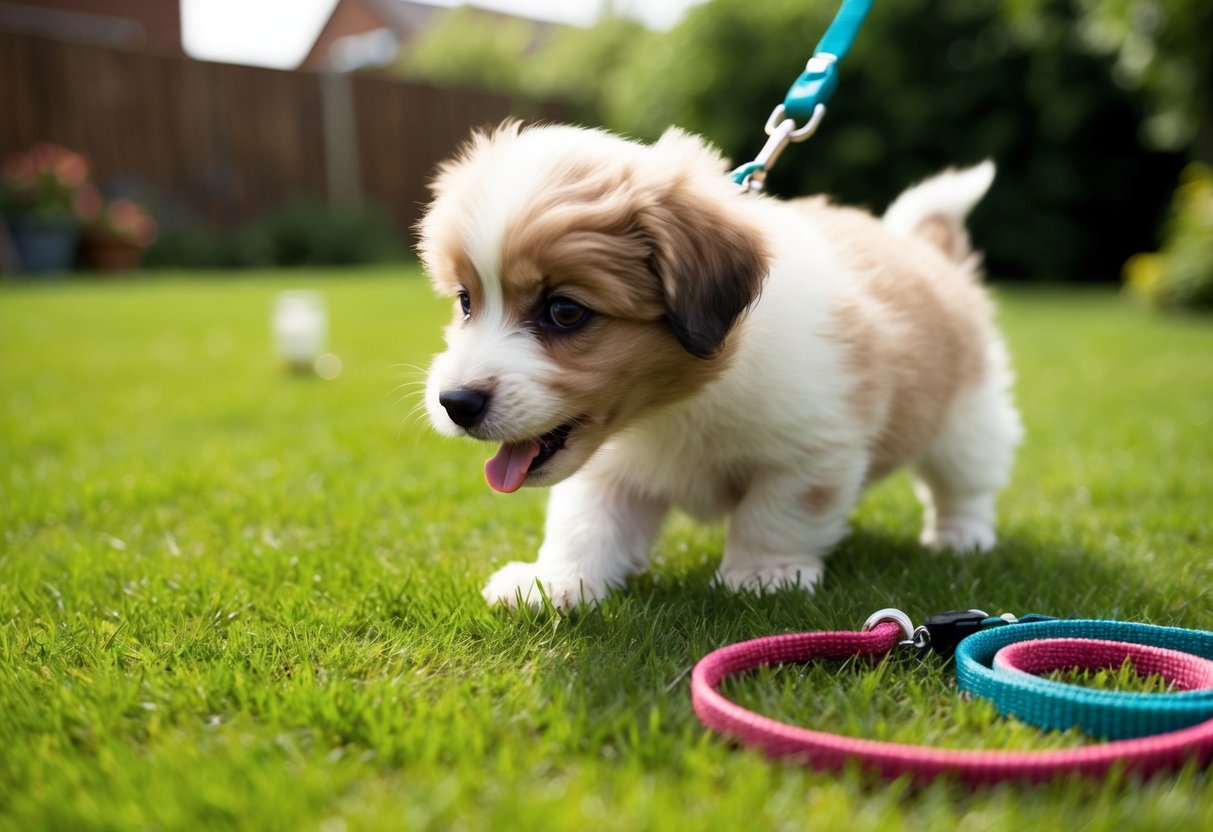
When taking your puppy outside, it’s essential to practice safety. Start by letting your puppy explore your own backyard, where you can control the environment. Avoid taking them to public areas until they are fully vaccinated.
Limit their exposure to other dogs, especially those you don’t know. If your puppy needs to relieve itself, stay close and supervise to prevent any unwanted interactions. Use a leash to keep them under control and avoid contact with areas that might have been soiled by other animals. Remember to wash your hands and your puppy’s paws after being outdoors to minimize risk. These simple steps help ensure your puppy stays healthy as they grow.
Promoting Early Socialization
Socialization is an important part of your puppy’s growth. It helps them interact well with people and other dogs. Here are key ways to promote early socialization while keeping your puppy safe.
The Role of Socialization Classes
Enrolling your puppy in a socialization class can be very beneficial. These classes are designed for puppies usually between 7 weeks to 16 weeks old.
In a safe environment, your puppy can learn how to interact with other pups. You’ll also gain tips on training and managing behaviors. Experienced trainers guide these sessions, making them both fun and informative.
Look for classes that focus on positive reinforcement. This builds a trusting relationship between you and your puppy. It also encourages good habits early on, which can prevent issues later.
Puppy Play Dates and Dog Parks
Puppy play dates can be a great way for your dog to socialize. You can invite friends with vaccinated puppies to play in your yard. This will provide a controlled setting without the risk of disease.
Once your puppy is a bit older and fully vaccinated, you should consider taking them to a dog park. These parks offer a chance for your puppy to meet different breeds and build confidence.
Always supervise your puppy during play. Make sure they have positive interactions. If your puppy seems overwhelmed, it’s fine to take a break and leave the park. Each socialization experience will help your puppy become a well-rounded dog.


