
You might not expect a six-foot newborn to need hiding, but baby giraffes face real danger the moment they hit the ground.
Lions and hyenas usually kill and eat baby giraffes in the wild. Their risk is highest during those first days and weeks after birth.

Let’s talk about how mothers try to keep their calves safe, where attacks usually happen, and why being tall doesn’t guarantee safety.
You’ll also find out a few things about their early diet and growth—like how calves switch from milk to leaves, and why those first months really matter.
What Eats a Baby Giraffe in the Wild?
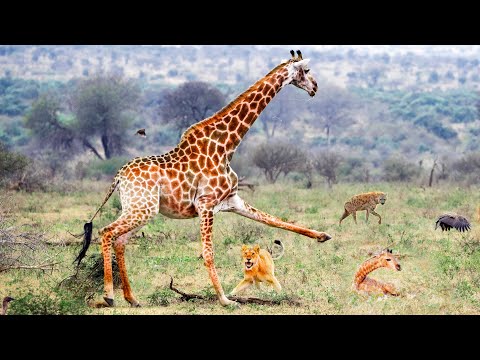
Predators go after young giraffes when they’re weak, alone, or near water.
Lions, hyenas, wild dogs, leopards, and crocodiles all hunt calves, and mother giraffes use their size, vigilance, and group defense to help keep them safe.
Main Predators of Baby Giraffes
Lions pose the biggest threat to newborn giraffes. A pride can ambush a calf or cut it off from its mother.
They usually attack the chest and belly, those soft spots, and they hunt early or late in the day when it’s harder to see.
Spotted hyenas show up in groups and can wear down a young giraffe. Sometimes, they scavenge fresh kills too.
African wild dogs hunt in packs and will run a calf down until it’s exhausted.
Leopards don’t usually take on grown giraffes, but they’ll grab an unattended calf if they spot one alone.
Crocodiles lurk at watering holes and snatch calves by the legs or neck as they drink.
Big birds of prey sometimes threaten the tiniest calves, and scavengers will feed on any remains they find.
Why Baby Giraffes Are Vulnerable
Newborn giraffes manage to stand and walk within about an hour, but they can’t match adult speed or stamina.
A baby just can’t run far or keep up during long chases, so predators can single it out pretty easily.
Calves spend a lot of time lying down to rest. That makes them easy prey, since they’re low to the ground and not paying much attention.
They also have to drink at waterholes, awkwardly spreading their legs and lowering their necks. Crocodiles take advantage of that.
Sometimes, a mother leaves her calf alone for a bit while she feeds. That’s all the time some predators need to strike.
Sick, injured, or especially young calves that move slowly attract even more attention from hunters.
How Mother Giraffes Protect Their Calves
A giraffe mother relies on her height and sharp eyesight first. She scans the horizon for danger and moves her calf to safer, open places.
She keeps her calf in sight and usually puts herself between the baby and any threat.
If she needs to, she’ll kick with surprising force—a well-aimed kick can badly injure or even kill a lion or hyena.
When several adult giraffes are around, they’ll form a loose circle around the calves, which helps keep predators at bay.
Mothers plan feeding and watering carefully, often staying on the edge of the herd so calves can stick close to other adults.
They use sounds and sniffs to check on their calves’ health. Sometimes, a mother will hide her newborn in tall grass or bushes until it gets stronger.
Interesting Baby Giraffe Facts and Feeding Habits

Let’s look at how big giraffe calves are when they’re born, what they eat as they grow, and which traits help them survive those tricky early months.
How Tall Are Baby Giraffes at Birth?
A newborn giraffe usually stands about 6 feet (1.8–1.9 meters) tall.
That height lets the calf see over short grass and keeps its head above some ground predators right away.
Calves weigh around 100–150 pounds (45–68 kg) at birth.
Their legs look long and sturdy, so most can stand and walk within an hour.
That early walking means they can follow their mother and stay with the herd.
Being tall from day one also helps with feeding. A long neck and high shoulders let calves reach low branches and leaves sooner than other baby animals.
This gives them a nice head start when they start learning to browse from trees like the acacia.
What Do Baby Giraffes Eat as They Grow?
For the first 4–6 months, a calf mostly drinks its mother’s milk.
You’ll see frequent nursing, which gives the calf vital fats and antibodies to fight off disease.
Milk stays the main food while the calf builds up strength.
Around 3–6 months, the calf tries solid food for the first time.
It’ll nibble on young shoots, leaves, and tender acacia leaves.
These first bites help the calf learn how to strip leaves and deal with thorny branches.
By 6–12 months, the calf eats more plants but still nurses for comfort and extra nutrition.
You’ll notice a gradual shift from mostly milk to a mixed diet.
Eventually, the calf becomes a full herbivore, feeding on trees and shrubs just like the adults.
Unique Adaptations and Life Stages
Giraffe calves come into the world with some pretty impressive reflexes. They stand up fast, sometimes wobbly, and can even run short distances when they need to. Hiding in tall grass becomes a go-to move, which definitely helps them avoid lions and hyenas during those risky first months.
Physically, these calves sport long necks and strong legs that seem to shoot up—sometimes growing around 4 feet in just a year. Their tongues and lips get used to handling acacia leaves, even though those things are covered in thorns. It’s a skill they pick up as they get older, helping them eat without getting poked.
Calves usually stick close to their mothers and the rest of the herd. You’ll often spot other females stepping in to help watch or care for the little ones. This kind of shared protection gives the calves a better shot at surviving while they figure out how to feed themselves and fend off danger like the adults do.


