
Kissing a giraffe sounds pretty wild, right? But honestly, there are some real risks and a bunch of rules you should know first.
You can only safely kiss a giraffe when trained staff supervise, the animal is really used to close contact, and you stick to strict handling and hygiene guidelines. This post dives into what makes it risky and how the pros keep both people and giraffes out of trouble.

You’ll find out how a giraffe’s size, mouth shape, and unpredictable behavior all play into safety. I’ll share tips on what to watch for, how experts train these interactions, and when to just say nope to that selfie.
If you’re dreaming of that perfect giraffe moment, this article might help you figure out if it’s really worth it—and how to avoid a disaster.
Is It Safe to Kiss a Giraffe?

Getting close enough to kiss a giraffe is definitely unusual. But you need to know the risks, how facilities manage them, and what giraffe saliva could mean for your health.
Risks of Human-Animal Interactions
When you kiss a giraffe, you put yourself close to a huge animal that can kick or swing its head without warning. Even a calm giraffe might react if startled.
Keep your hands and face away from their legs and head unless a handler gives you the green light.
There’s also the infection risk. Wild animals carry bacteria and parasites, and these can pass to people through saliva or even tiny skin breaks.
If you have a cut or a weak immune system, don’t get close.
Behavior matters too. Some giraffes at places like giraffe centres get used to people feeding them, but that doesn’t mean they trust you.
Listen to staff. Don’t roughhouse, and if you see signs like pacing, a raised tail, or twitchy ears, step back.
Safety at Giraffe Centres and Sanctuaries
Giraffe centres and sanctuaries work hard to keep both you and the animals safe. Staff train giraffes with pellets so they come to specific spots for food.
This makes things more predictable and less likely to go sideways.
Only interact with giraffes when staff are watching. Places like the Nairobi Giraffe Centre or sanctuaries run by groups such as the African Fund for Endangered Wildlife always start with a safety briefing.
They’ll ask you to wash your hands and stay behind barriers or on platforms.
Keep your camera quiet and skip the flash.
Staff know which giraffes are chill and which aren’t. If an animal seems stressed, they’ll pull it from the experience.
If you’re offered a “giraffe kiss” or feeding, expect clear instructions: sanitize, offer a pellet on your lips or hand, and let the giraffe come to you.
Don’t lean in.
Giraffe Saliva and Hygiene Concerns
Giraffe saliva is full of enzymes and bacteria from whatever they’ve been eating. Some folks say it’s antiseptic, but honestly, it can still carry germs.
Direct contact with their saliva could pass on bacteria like Pasteurella or others that live in herbivore mouths.
If you’ve got open sores, dental work, or your immune system isn’t great, skip the close contact. Wash your face and hands right after, and use an antiseptic wipe if they offer one.
Most centers will ask you to wash up before and after feeding, and they might hand out disposable pellets to keep things cleaner.
If you start feeling sick—like you get a fever, swelling, or a sore throat that won’t quit—go see a doctor and mention you were around a giraffe. It helps if you know which animal you met.
Understanding Giraffe Behavior and Anatomy
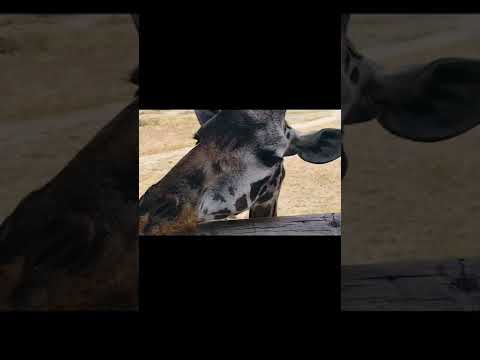
Giraffes are these tall, social creatures with crazy-long tongues and some pretty interesting social habits. Their mouths, scent glands, and behavior all affect how they interact with each other and with us.
How Giraffes Kiss: What Actually Happens
When a giraffe “kisses” you, it’s usually just checking you out with its mouth. You might feel its lips or tongue near your face as it sniffs you, tries to grab a snack, or takes a treat.
Giraffes use gentle lip and tongue touches when grooming or during courtship, but honestly, their mouths feel rough—those lips are thick and kind of scratchy.
In places like Etosha National Park, staff train giraffes to take food from visitors. This training makes them more likely to come close, but it doesn’t mean they’re tame.
Never force it. If a giraffe leans in, let it decide how close to get.
Move slowly and keep your face turned a bit so you can step back if things get weird.
Giraffe Tongue and Saliva: Unique Features
A giraffe’s tongue is something else—about 45–50 cm (18–20 inches) long and usually bluish-black to protect it from the sun.
It’s strong and super flexible, perfect for grabbing leaves or treats from your hand.
Their saliva coats and moves food, and their mouths are tough enough to handle thorns. Just remember, no one’s proved giraffe saliva is harmless.
Any lick could pass along germs.
If you’ve got cuts or open skin, don’t let a giraffe touch you.
Researchers like Lynette Hart and Benjamin Hart have studied animal behavior and welfare. Their work makes it clear: animal contact always comes with health and welfare considerations.
Giraffes in Captivity vs. the Wild
In captivity, giraffes usually learn to accept food from people. They start to tolerate closer handling, too.
Zoos and reserves train both staff and sometimes visitors, which really changes how giraffes respond. You’ll notice clear rules at these facilities about feeding and touching.
Wild giraffes in places like Etosha National Park tend to keep their distance. They use alarm behaviors to warn the herd if something seems off.
These wild individuals use the vomeronasal organ to sample scents on faces or urine. That’s part of how they handle mating and social checks.
Honestly, your chances of getting close to a calm giraffe in the wild are much lower than in a zoo. Always follow local rules and listen to staff if you want to keep yourself—and the animals—safe.


