
A giraffe usually looks pretty calm, but honestly, that calm vibe doesn’t always mean it’s friendly. Some giraffes seem tolerant or even a bit curious around people, while wild giraffes mostly keep their distance and act cautious.

You’ll notice their behavior shifts depending on where they live. In protected reserves, giraffes might get used to people, but out in the wild, they stay alert and avoid contact.
Sometimes a giraffe will come closer, but you should always give them space. There are moments when you can approach, but honestly, it’s better to let them decide.
Are Some Giraffes Friendly?

Giraffes tend to act calm, curious, and pretty cautious. They show what you might call friendliness through quiet tolerance, predictable body language, and a trust that grows slowly over time.
General Giraffe Behavior and Temperament
You’ll see giraffes move slowly, always watching what’s going on around them. Sometimes they just stand still for ages, chewing or scanning for danger.
This calm look can seem friendly, but it’s usually just caution. Most giraffes avoid fighting.
Males sometimes spar by swinging their necks and heads. They don’t aim this at people.
Mothers protect their calves with strong kicks if they feel threatened. It’s smart to give them plenty of space.
Giraffes use their eyes and subtle sounds to communicate. You might spot them touching necks or standing close together in a group, which is called a tower.
These actions show social bonds, but not really friendliness in the way we think of it.
How Giraffes Interact with Humans
Wild giraffes pretty much keep their distance. If one comes closer, it’s probably used to people in that area, like in a reserve.
Don’t assume a calm giraffe is tame or wants to be touched. In parks and sanctuaries, giraffes sometimes come near for food or out of curiosity.
Staff train them with routines, so you can watch safely if you follow their guidance. Never feed or touch a giraffe without a keeper around.
If you move suddenly, you might spook a giraffe and trigger a defensive reaction. Staying calm and backing away slowly is always the safer bet.
Affectionate Behaviors and Social Bonds
Giraffes show bonds with gentle touches and by standing close. You’ll see them rub necks, groom each other, or rest their heads on another’s body.
These gestures comfort and connect them. Young giraffes stick by their mothers.
You can spot strong maternal care: mothers stand near, guide calves to food, and keep danger away. Social groups change a lot, so you might notice new bonds forming all the time.
When it comes to people, giraffe “friendliness” is mostly trust built by routine care. If you work with them often, they might relax around you, but that trust is fragile and takes time.
Differences Between Wild and Captive Giraffes
Wild giraffes live out on the savanna and keep a safe distance from people. Most of the time, you’ll watch them from a vehicle or a hide.
Their calm nature helps them spot predators early and survive. Captive giraffes in zoos or reserves see people every day.
They sometimes walk up to viewing areas or keepers. With regular routines and positive reinforcement, they can seem friendlier than wild giraffes.
Good care matters a lot. In well-run facilities, captive giraffes get steady food, space, and things to do.
Poor conditions make them stressed and unpredictable. Always listen to staff when you’re near captive giraffes.
Understanding Giraffe Friendliness in Different Environments
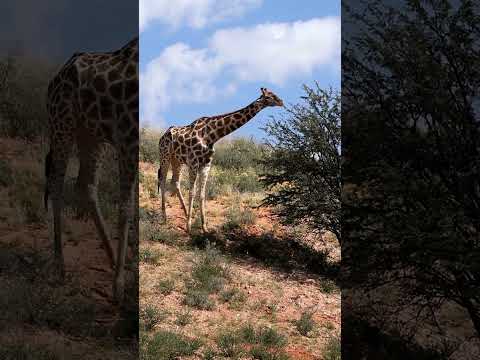
Giraffes often act calm, but their behavior really depends on where they live, who cares for them, and whether they feel safe. Captive settings can change how tolerant they are.
You’ll pick up on how to feed them safely and maybe notice that Masai giraffes act a bit differently than other types.
Giraffes in Zoos and Wildlife Reserves
When you visit zoos or reserves, you’ll usually see giraffes that are more tolerant of people than wild ones. Captive giraffes live with routine feedings and keepers who read their body language.
That routine builds trust, so sometimes they’ll come up to barriers or walk near viewing decks. Still, you should respect all barriers and staff rules.
Even giraffes that seem tame are strong and might react if startled. Zoos train giraffes for health checks, which helps them stay calm during close contact.
In reserves, animals might not be as used to people, so their tolerance really depends on the site and their past experiences.
Feeding Giraffes: Safety and Etiquette
If you get the chance to feed giraffes, stick to the facility’s rules. Only use approved food and hold it flat on your palm—this way, the giraffe can grab it without nipping your fingers.
Keep your hand steady, because sudden moves might make the giraffe back off or push. Stand where staff tell you and stay behind barriers if they ask.
Don’t chase or crowd a giraffe. If one lowers its head or stiffens, just step back slowly.
Feeding sessions usually have staff watching to keep both you and the giraffe safe and relaxed.
Behavioral Differences in Masai Giraffe and Other Species
Masai giraffes tend to show social patterns that stand out from other giraffe types. You might notice they often form looser groups, and the older females build stronger social bonds.
These connections sometimes make females more relaxed around people, especially in protected areas where they feel secure. It’s kind of fascinating—some will even linger closer to humans if they sense there’s no threat.
Other giraffe species, or subspecies, act a bit differently. They’re usually shyer or prefer to be alone.
During mating season, males get noticeably less tolerant. Young giraffes usually stick close to their mothers and react fast if they sense danger.
In the wild, all giraffe species keep more distance from people than those living in captivity. Their comfort level with humans really depends on their past experiences and how much protection they get locally.


