
If you’ve ever wondered about the dogs that take on the challenge of hunting badgers, you’re in for an interesting read. One breed that stands out for this specific task is the Dachshund. Originally bred in Germany, these small but fearless dogs were designed to dig out badgers from their burrows. Dachshunds, along with other hunting breeds, have a unique combination of strength and agility that makes them suitable for such a tough job.
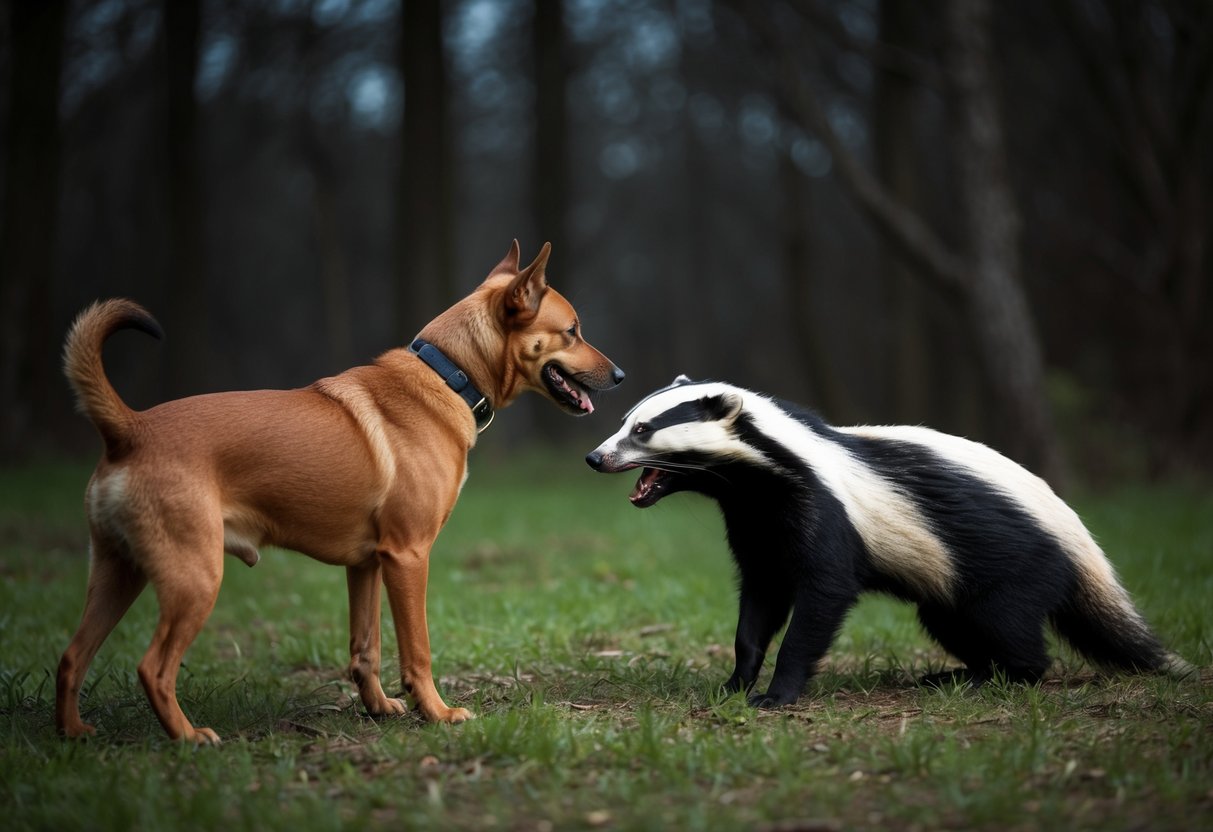
Understanding the role of hunting dogs in badger hunting can give you insight into their remarkable traits. These dogs must possess not only bravery but also a strong sense of determination. While many breeds can hunt, the ones that specifically take on badgers are often built for close encounters. They rely on their instincts and cleverness to outsmart the aggressive animals they face.
As you explore the world of badger hunting, you will discover more about these remarkable dogs and their history. You’ll learn what traits make them effective hunters and how they contribute to this unique aspect of hunting culture. The connection between dogs and their hunting roles is both fascinating and essential to understanding their purpose.
Historical Significance of Dachshunds in Badger Hunting

Dachshunds have a rich history linked to badger hunting, both in their breeding and their role as hunters. Understanding their origins reveals how they became skilled at tracking and hunting burrowing animals like badgers.
Selective Breeding and Origin of the Dachshund
The dachshund, often called a “badger dog,” originated in Germany as early as the 15th century. Breeders selectively bred these dogs for specific traits that made them ideal for hunting. Their long bodies and short legs allowed them to navigate through tight burrows.
These small but mighty dogs were first bred to hunt badgers and rabbits. The term teckel is also used in Germany to refer to this breed. As demand for effective hunting dogs grew, the American Kennel Club (AKC) recognized their skills and unique traits. The focus was on developing a dog that could expertly corner and control badgers, which emphasized their strength and agility.
Dachshunds as Badger Hunters
Dachshunds played a crucial role as badger hunters in the past. Their fearless nature helped them confront tough prey. As hunters carried multiple dachshunds, these dogs would work together to corner badgers, often immobilizing them.
The practice of badger-baiting became popular during this time, showcasing the dachshund’s abilities. They were renowned for their tenacity and bravery in such blood sports. These dogs didn’t just rely on size; they used their intelligence and instincts to track badgers in their dens.
This history highlights the dachshund’s significance not just as a pet, but as an important asset in hunting culture. Their connection to badger hunting remains a cherished part of their identity today.
Physical and Temperamental Traits for Hunting
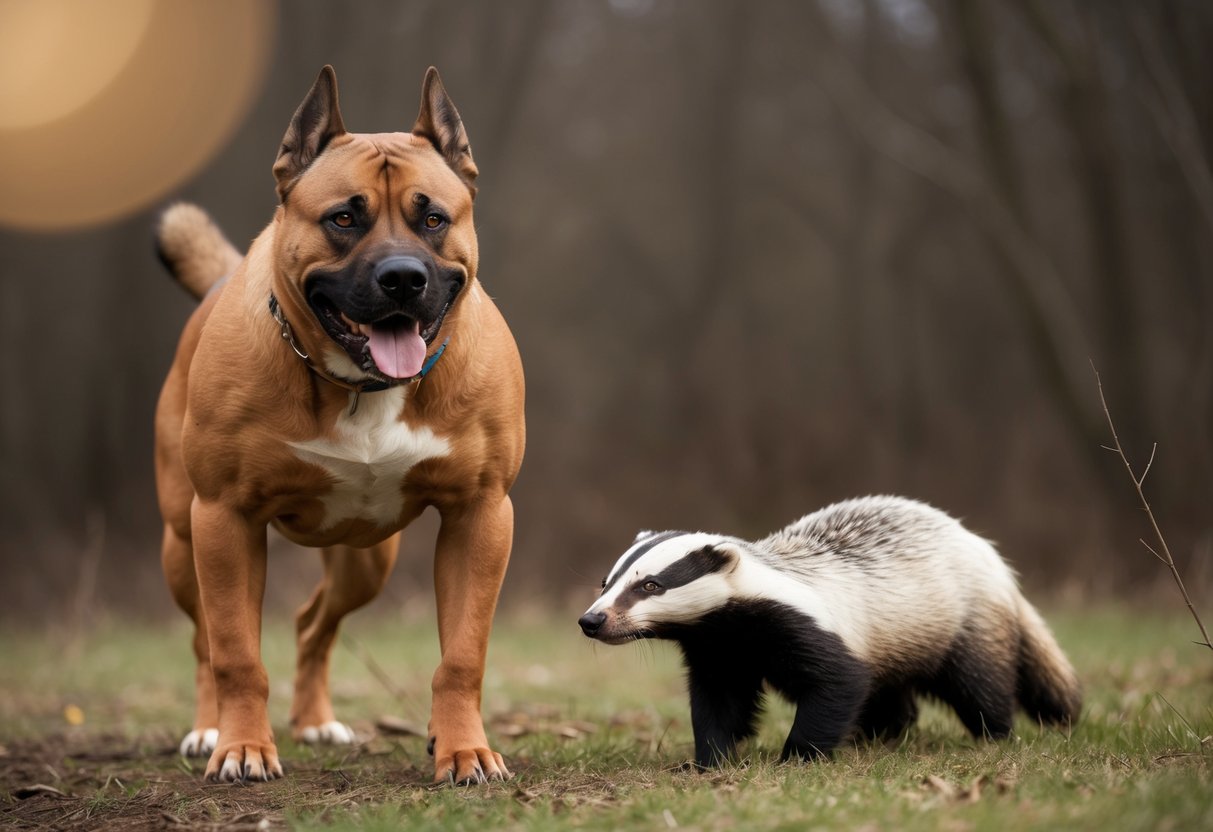
To effectively hunt badgers, dogs need certain physical and temperamental traits. These traits help them navigate through tough conditions and confront burrowing animals with confidence. Here are key traits that make hunting dogs successful.
Stamina and Bravery
When hunting badgers, stamina is crucial. You want your dog to have the energy to dig and chase for long periods. Badgers often hide in deep burrows, so your dog needs the endurance to pursue them until they emerge.
Bravery is equally important. Badgers can be fierce defenders of their territory. A dog must be willing to confront them without hesitation. Breeds like the standard and miniature dachshund are known for their courage. They will enter burrows and face tough challenges head-on, making them ideal for this kind of hunting.
Strong Sense of Smell and Intelligence
A strong sense of smell is vital for tracking badgers. Dogs possess an incredible ability to detect scents, even in challenging environments. Their noses can pick up the distinct smells left by badgers in the soil and surrounding areas.
Intelligence follows closely behind. A smart dog can problem-solve and understand commands quickly. This helps when they need to navigate narrow tunnels or respond to the hunter’s cues. Dachshunds are particularly intelligent, enabling them to adapt to various situations while hunting.
Coat Types and Burrowing Ability
Different coat types play a role in a hunting dog’s effectiveness. Dogs with dense, water-resistant fur are better equipped for wet or muddy conditions. Dachshunds come with smooth, long, or wire-haired coats, each offering specific benefits. For example, wire-haired dachshunds have coats that help protect them when burrowing through rough terrain.
Burrowing ability is essential for targeting badgers. A dog needs to dig quickly and efficiently. The short legs of a dachshund give them an advantage, allowing them to dig and maneuver in tight spaces. This trait is crucial for reaching badgers that hide in deep holes.
Each of these traits makes a dog well-suited for hunting badgers. Their combination of stamina, bravery, intelligence, and burrowing ability sets them apart, especially breeds like the dachshund.
Training and Working with Dachshunds
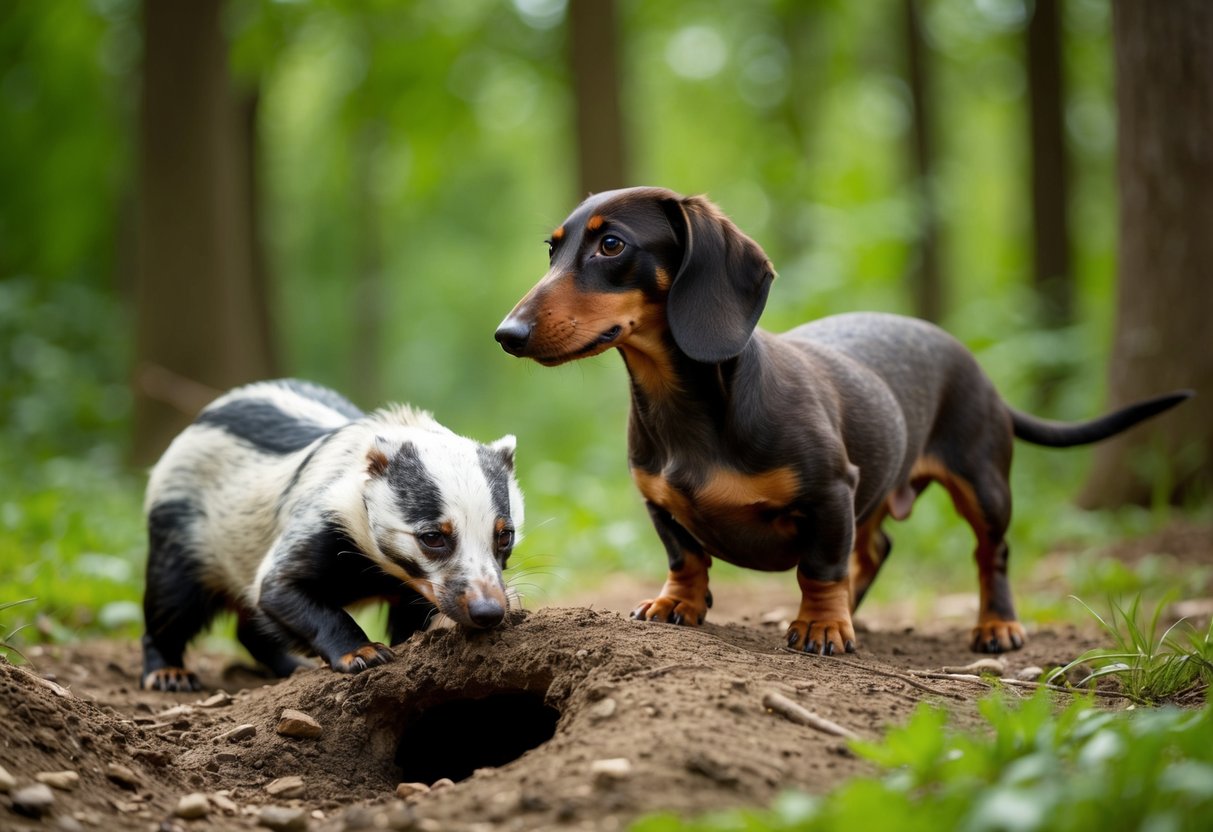
Dachshunds are remarkable dogs known for their skills in hunting, especially when it comes to badgers. Training is essential to enhance their natural abilities and keep them safe during hunts. Here’s what you need to know about training and working with these eager hunters.
Badger Hunting Techniques
When hunting badgers, dachshunds use their keen sense of smell and agility to track these tough animals. They are brave and won’t back down easily.
During hunts, it’s common to employ multiple dachshunds. This approach helps to corner the badger, making it easier to manage the situation. The dachshund’s low profile allows it to burrow or follow scent trails underground.
Proper techniques include:
- Scent Tracking: Teach your dachshund to follow a specific scent trail.
- Barking on Command: Encourage your dog to bark when they find prey.
These skills are crucial for successful hunting experiences.
Training for Tracking and Obedience
Training your dachshund for tracking begins with basic commands. Start with simple commands like “sit,” “stay,” and “come.” These commands are essential for safety in the field.
Next, introduce tracking exercises. Use a leash and take your dog on trails where they can smell traces of previous game. Praise and reward them when they focus on a scent.
Tracking drills can include:
- Short Scent Trails: Use treats or toys to create trails for your dog to follow.
- Blood Tracking: If you plan to track wounded game, use blood scents to help them experience tracking under real conditions.
This training enhances their ability to locate prey effectively.
Safety Considerations
Safety is a top priority when hunting with dachshunds. Their small size makes them vulnerable. Always supervise them closely during hunts.
Make sure your dachshund is equipped with a sturdy harness and collar. A GPS tracker can also provide peace of mind. Additionally, ensure they are updated on vaccinations and flea and tick prevention, as they might encounter wildlife.
Keep a first-aid kit handy for minor injuries. If your dachshund gets too close to a badger, they may need immediate attention due to the animal’s sharp claws and teeth.
Being prepared will help keep your dog safe and enhance your hunting experience.
Dachshunds Today: Beyond the Hunt
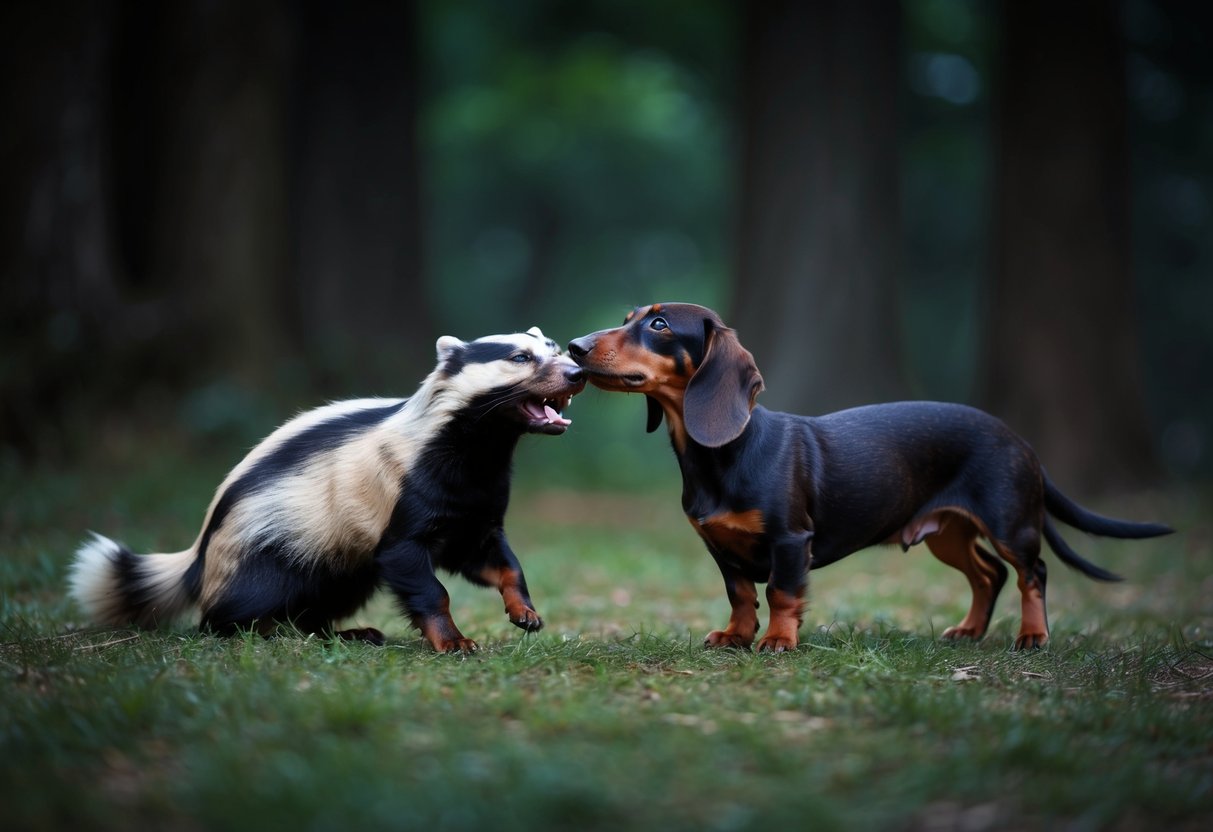
Dachshunds have evolved from their hunting roots into beloved family companions and active participants in animal welfare. Their unique traits and charm make them popular pets, while their history still influences efforts for wildlife protection.
Family Companions and Show Dogs
Dachshunds, often known as wiener dogs or sausage dogs, make excellent family companions. Their playful nature and friendly disposition endear them to families of all sizes. These dogs are known for their loyalty and affection, making them great for homes with children.
In recent years, Dachshunds have also gained popularity in dog shows. Their distinctive looks and personalities shine in competitions. Breeders often focus on their appearance while keeping their playful spirit.
Doxies come in different coat types, including smooth, long-haired, and wire-haired. They can adapt to various living situations, whether in a busy family home or a smaller apartment. These traits help them remain favored companions in households across the world.
Conservation Efforts and Animal Welfare
Dachshunds play a role in animal welfare, particularly regarding the Protection of Badgers Act. This law helps ensure that badgers are protected from hunting pressures that historically involved dachshunds. By raising awareness about wildlife conservation, you can help promote the well-being of these nocturnal animals.
Organizations focus on educating the public about the importance of respecting wildlife. Through various outreach programs, they emphasize responsible pet ownership. Many dachshund owners participate in these efforts, advocating for humane treatment of all animals.
Community events, like pet fairs and outreach programs, encourage a bond between dogs and their owners. You can be part of this movement, ensuring that wiener dogs play a positive role in promoting animal welfare while remaining cherished family pets.


