
Meeting a badger in the wild can be a surprising experience. These nocturnal mammals are known for their stocky bodies and distinctive markings. While they are generally shy and prefer to avoid humans, it’s important to know what to do if you encounter one.
The safest action you can take is to remain calm, avoid sudden movements, and slowly back away to give the badger space.
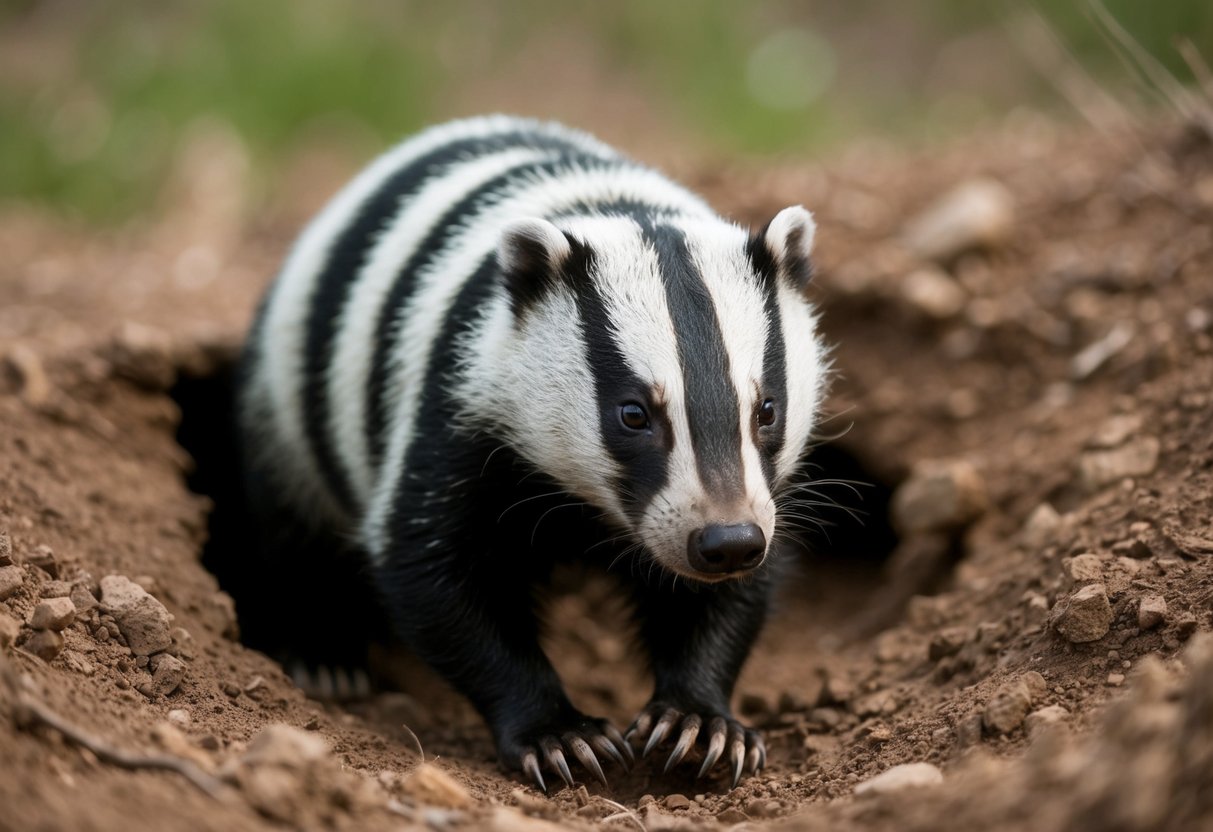
Understanding human-badger co-existence is essential for anyone who enjoys spending time outdoors. Badgers play a vital role in the ecosystem, helping control insect populations and aerating the soil as they dig. Learning to respect their habitat and behavior ensures that you can appreciate these fascinating creatures while also keeping yourself safe.
If you find yourself close to a badger, remember that they can be protective, especially if they feel threatened. By knowing how to respond, you can enjoy the encounter from a distance while respecting their presence in the wild.
Understanding Badger Behavior

Knowing how badgers behave can help you stay safe if you encounter one. Badgers have unique social structures, habitats, diets, and breeding patterns that shape their lives and interactions.
Badger Social Structure
Badgers are generally social animals. They live in groups called “clans” or “coteries,” typically consisting of 5 to 15 members. These groups often include a few adults and their young.
Each clan has a strong hierarchy, often led by a dominant male. Cooperation is key in foraging and defending their territory. You might notice them working together when hunting or playing.
They communicate through various sounds and scents, helping maintain order within the group. Understanding this social setup can give you insight into their behavior during encounters.
Habitats and Setts
Badgers prefer habitats like woodlands, grasslands, and agricultural areas. They create underground homes known as “setts.” A sett consists of a series of burrows that can extend for many yards.
These burrows provide safety and a place to raise their young. Badgers are excellent diggers, using their strong claws to move dirt and create complex tunnels.
When you spot a sett, it’s usually marked by fresh soil and may have visible entrances. Respect these locations, as they are essential for badgers’ survival and can indicate where they might be active.
Diet and Foraging
As omnivores, badgers have a varied diet. They primarily eat earthworms, small mammals, and fruits, making them important players in the ecosystem.
Foraging typically occurs at night when they are most active. Badgers use their keen sense of smell to hunt for food, digging into the ground to find tasty morsels.
You may see them turning over soil or rummaging through leaf litter. Their foraging helps control populations of insects and small animals, showing how essential they are to their habitat.
Breeding Patterns and Cubs
Breeding season for badgers usually occurs in late winter to early spring. After mating, the female badger has a gestation period of about six weeks.
She typically gives birth to 2 to 4 cubs, which are born blind and rely on their mother for care. The cubs begin to emerge from the sett in early summer, learning to explore their surroundings.
This time is crucial as they learn to forage and socialize with other members of the clan. Watching cubs play can be a fun experience, illustrating the nurturing side of badger life.
Encountering Badgers in the Wild

Meeting a badger in the wild can be an interesting experience, but it’s important to know how to handle it safely. Here are some key points to keep in mind about maintaining distance, what to do if the badger is injured, and how to observe without causing disruption.
Maintaining a Safe Distance
When you encounter a wild badger, it’s crucial to keep a safe distance. Badgers are generally timid and prefer to avoid humans. Stand back at least 20-30 feet. This helps to reduce stress for the animal and allows you to enjoy a clear view without interference.
If the badger does not notice you, remain quiet. Avoid sudden movements or loud noises that could scare it away. If it becomes aware of your presence, back away slowly. This will encourage the badger to continue on its way without feeling threatened.
What to Do If You Find an Injured Badger
If you find a badger that appears injured, approach with caution. Wild animals can be unpredictable, especially when hurt. Do not try to touch or pick it up. This could lead to serious injuries, as badgers have strong jaws.
Instead, contact a local wildlife rescue organization. They have the training and equipment needed to safely handle injured animals. Provide them with specific information about the badger’s condition and location. This will help the rescuers to assess the situation quickly and effectively.
Observing Without Disturbing
Observing badgers can be a rewarding experience. Since they are nocturnal, your best chances are during dawn or dusk. Use binoculars or a camera with a zoom lens. This allows you to watch them without intruding on their space.
Remain still and quiet. Avoid feeding badgers, as this can disrupt their natural foraging behaviors and lead to dependency on humans. Instead, enjoy watching them as they go about their lives in the wild. Respect their habitat and keep a safe distance to ensure a peaceful encounter.
Badgers and Human Interactions
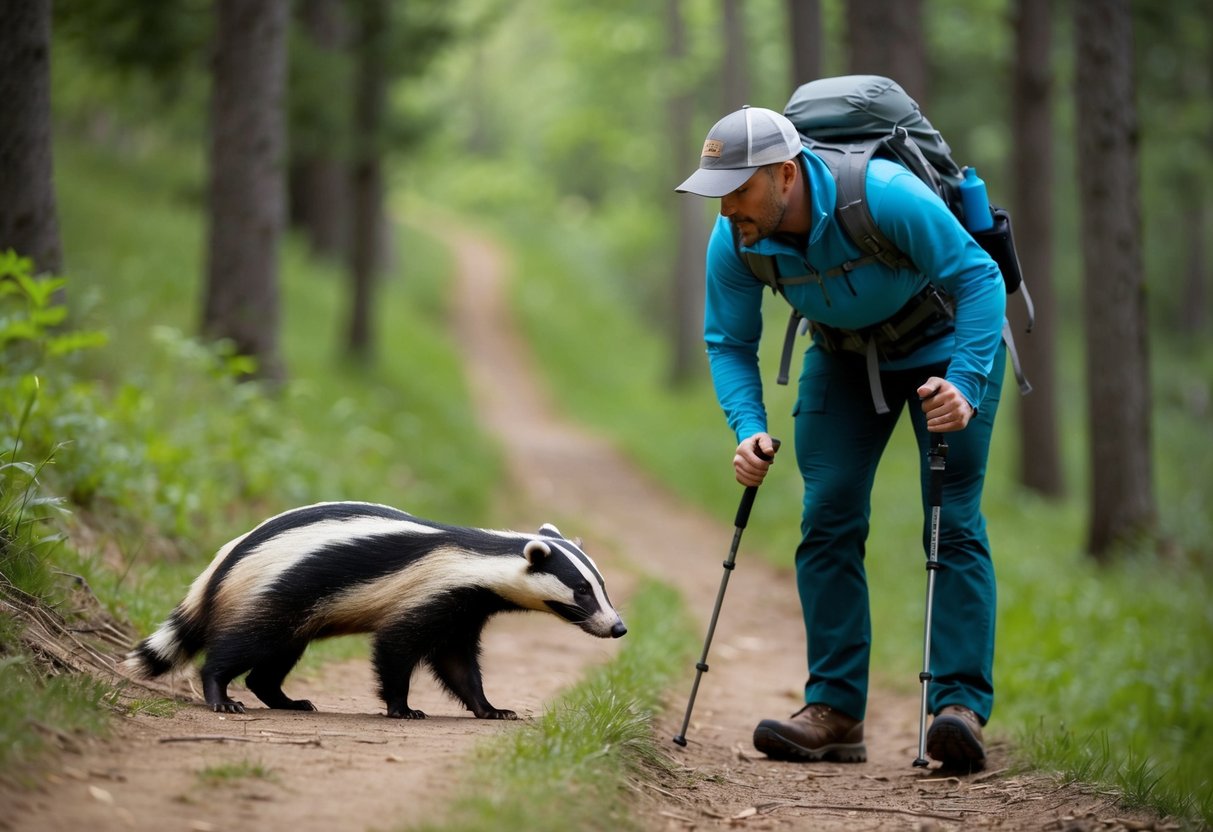
Badgers can often be seen in both rural and urban settings. Understanding how to navigate these interactions is important for peaceful co-existence. Here are key points about their presence and how you can manage encounters.
Badgers in Urban Areas
You might find badgers living in urban areas, often seeking food or shelter. They are opportunistic feeders, which means they may rummage through gardens and trash cans for food.
Badgers are part of the local ecosystem and help control pests like insects and rodents.
To minimize unwanted visits from badgers in your garden, consider using badger deterrents. These can include motion-activated lights or fences that are at least three feet high. If you notice them digging in your yard, they might be after earthworms or grubs. Removing potential food sources can help keep them away.
Promoting Co-Existence
Promoting co-existence is beneficial for both you and badgers. One way is to ensure your garden is less attractive to them. This means keeping trash secured and not leaving pet food outside.
Consider planting native species in your garden, as they require less maintenance and support local wildlife. Badger Trust offers guidance on how to encourage a balance between humans and badgers.
You can also create a wildlife-friendly garden by providing habitats for other animals that might coexist with badgers. Just remember, if you spot a badger during the day, it may be stressed or unwell, which is a sign for you to keep your distance.
Legal Status and Protection
Badgers have a protected status in many areas because they are native species. People can face legal penalties for disturbing badgers or their habitats. Check your local regulations to learn about badger protection laws.
If you have concerns about badgers causing damage, reach out to local wildlife organizations. They can provide advice on how to manage the situation responsibly.
Knowing the legal protections can help you understand your rights while also protecting these fascinating creatures.
Being informed and taking proactive steps can help you enjoy your space while respecting badgers and their role in the environment.


