
So, you found some tiny, oval pellets in your attic or yard and want a fast answer. Squirrel poop usually looks like small, smooth, coffee-bean shaped pellets—about 3/8 inch long and 1/8 inch wide. When fresh, they’re dark, but as they dry, they turn lighter.

You’ll see where these droppings show up, how to tell them apart from rat or mouse poop, and some clear photos to compare so you can ID them quickly.
This post also covers health risks, safe cleanup, and some easy ways to keep squirrels out of your house.
What Does Squirrel Poop Look Like? Key Features and Pictures
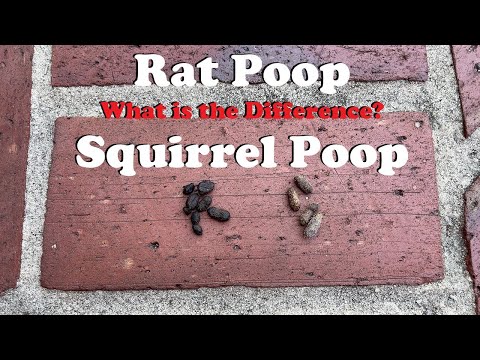
You’ll find squirrel droppings as small, pill-shaped pellets, often left in tight piles.
Squirrels usually leave them near nests, feeding spots, or tucked inside attics where they’re hanging out.
Identifying Squirrel Poop in Photos
When you look at photos, check out the size and texture first. Squirrel poop appears as tiny, smooth pellets, usually between 1/4 and 1/2 inch long.
In attic or corner shots, you’ll see them in clumps or piles, not scattered all over.
Color matters, too. Fresh squirrel scat shows up dark brown to black, while old droppings fade to light brown or gray.
You might spot plant fibers or seed bits inside, especially if the squirrel has been munching on nuts or fruit.
For scale, compare the pellets to a ruler, coin, or even a leaf if it’s in the photo. A big pile in one spot often means a squirrel latrine or nest.
Shape, Size, and Color Variations
Squirrel poop is oblong or kind of cylindrical, with rounded ends. Each pellet tends to look about the same and feels smooth.
Tree squirrels and ground squirrels leave similar-sized pellets, but flying squirrel droppings are a bit smaller.
Most pellets measure about 1/4 inch wide and up to 1/2 inch long. Fresh ones are dark, but as they dry, they turn tan or gray.
If squirrels eat a lot of seeds or husks, their poop can look fibrous or crumbly in pictures.
If you spot both dark and lighter pellets in one spot, squirrels have probably used the same latrine or nest for a while.
Oblong Pellets vs Other Animal Droppings
Squirrel pellets look a lot like coffee beans, which makes them stand out from other rodents.
Rat droppings run longer, more pointed, and less uniform. Mouse droppings are smaller and more tapered.
Rabbit or deer droppings are round, not oblong. Bat guano? That’s crumbly and powdery, not smooth.
If you see small, uniform, cylindrical pellets in a pile in a photo, chances are you’re looking at squirrel scat.
Check the edges and texture in photos so you don’t confuse them with droppings from birds, raccoons, or opossums.
Common Locations and Squirrel Latrines
Squirrels pick favorite spots for their poop. Check under bird feeders, at the base of trees, inside attics, and up in roof rafters.
Ground squirrels leave pellets near their burrow entrances, while tree and flying squirrels use attics, chimneys, or tree hollows.
You’ll spot squirrel latrines where they feel safe. In photos, these show up as concentrated piles or deep stacks of pellets in one corner.
If you find these clusters in your attic or near a nest, you probably have active squirrels nesting nearby.
Need more photo examples? Take a look at this squirrel droppings identification page.
Dangers, Cleanup, and Prevention of Squirrel Droppings

Squirrel droppings can carry bacteria and parasites, plus attract other rodents. You’ll want to clean up contaminated areas safely and keep squirrels out for good.
Health Risks of Squirrel Feces
Squirrel feces can carry pathogens like Salmonella and bacteria that might cause infection if you touch or breathe in dried particles.
Disturbing old droppings can send tiny dust particles into the air and into your lungs. That raises your risk of stomach illness or other infections.
Squirrels also bring in ticks and fleas, especially in attics and wall spaces. These pests can spread Lyme disease or bite your pets.
Mouse droppings are more strongly linked to hantavirus, but any rodent feces—including rat and squirrel poop—can mean a bigger rodent problem and more disease risk.
If anyone in your home has a weakened immune system, stay extra cautious and avoid touching droppings.
Safe Cleanup Practices
Wear proper gear: a NIOSH-rated respirator or at least an N95 mask, gloves, eye protection, and long sleeves.
Don’t sweep or vacuum dry droppings, since that just stirs up dust. Instead, lightly spray the area with a bleach solution (1 part bleach to 10 parts water) or a disinfectant and let it soak for 10–15 minutes.
Use paper towels to pick up the droppings and seal them in a plastic bag. Wipe the area with disinfectant again, and toss used towels and gloves in a second bag.
If your attic insulation or wiring is badly soiled, think about calling wildlife removal pros or pest control. They can take out contaminated materials and check for hazards.
If you find a mix of mouse, rat, and squirrel droppings, treat the area as a multi-rodent mess.
How to Prevent Squirrel Infestations
Check your roofline, soffits, vents, and attic entry points for any gaps larger than half an inch. If you spot them, seal those gaps up with hardware cloth, metal flashing, or just some good old caulk.
Cut back tree branches so they’re at least 6–8 feet away from your roof. That way, squirrels can’t just leap onto your house whenever they feel like it.
Put chimney caps in place and cover attic vents with sturdy metal screens. Honestly, it’s surprising how many people forget about those spots.
Keep food sources out of reach. Secure your bird feeders, bring pet food inside, and stash your garbage in sealed containers.
If squirrels have already moved in, set up one-way squirrel traps or call a licensed wildlife removal pro. You really don’t want to risk illegal or unsafe handling here.
Once the squirrels are gone, clean and disinfect any areas they’ve soiled. That’ll help erase scent trails and keep new squirrels from showing up.


