
Spotting bees swarming around your house can be a little unsettling. Usually, they’re searching for a new spot to call home. Bees swarm naturally when their hive gets too crowded or when they want to start a new colony somewhere else. Honestly, it’s just how they keep their numbers up and the cycle going.

You might notice a big cluster of bees hanging out or buzzing near your place, especially when the weather warms up and flowers are everywhere.
If you get what’s going on with a bee swarm, you might feel less anxious. It also helps you protect your home and the bees, which, let’s be real, we need for the environment.
Curious about what you should do when bees show up in a swarm? Stick around—there’s more to know.
Why Bees Swarm Around Your House

When you see bees swarming near your house, they’re probably on the hunt for a new home or escaping crowded conditions in their old hive.
Sometimes, something nearby just attracts them. Figuring out what brings them around can clear up a lot of confusion.
Natural Reasons for Bee Swarming
Bees swarm because it’s how they expand their colonies. When their hive feels too packed, a chunk of the colony leaves with the queen to set up shop somewhere else.
This way, they get more room for honey and baby bees. Swarming mostly happens when it’s warm and flowers are everywhere.
You might spot a big clump of bees hanging together as they take a break while scout bees search for a good spot. It’s totally normal and not a reason to freak out.
Common Triggers for Bee Swarms Near Homes
Bees might pick your house if there are cozy hiding spots nearby. They love cracks in walls, gaps in old wood, or spaces under roof overhangs.
If their original hive gets damaged or too crowded, they sometimes move fast and end up near your place. The scent from gardens full of flowers can also lure them in.
So, if you see bees swarming around, they’re probably just checking things out and looking for a safe new home.
Differences Between Swarms, Colonies, and Foraging Bees
A swarm is a bunch of bees leaving their old colony with the queen, looking for a new place to settle. They might cluster somewhere for a bit during the move.
A colony is their permanent hive where they live, store honey, and raise their young. Inside, bees take on different jobs—some care for the queen, others guard the hive.
Foraging bees are out hunting for nectar and pollen. Unlike swarming bees, they fly solo and come and go all day.
If you can tell the difference, it gets a lot easier to figure out if bees are just passing through or planning to stick around your home.
What Does It Mean When Bees Swarm Around Your House?
What To Do When Bees Swarm Around Your House
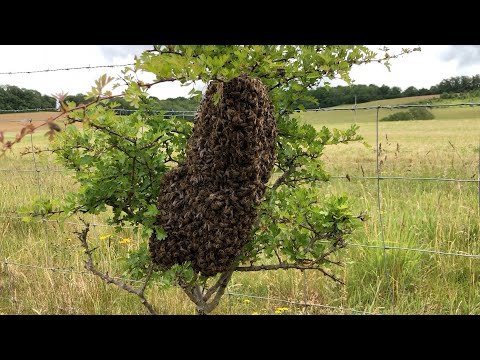
If you spot a swarm near your place, try to stay calm. Knowing how to react keeps both you and the bees out of trouble.
You should know when to just leave them alone and when to call in the experts. Not every risk is as big as it seems, honestly.
How to Respond Safely to a Bee Swarm
If bees swarm around your house, don’t panic or swat at them. Swarming bees usually feel pretty chill since they don’t have a hive to protect.
Keep kids and pets away—it’s just safer that way. Try not to make loud noises or sudden moves near the swarm.
Don’t spray insecticides or try to deal with the swarm yourself. That can turn the bees aggressive and lead to stings.
If the swarm lands on a tree or wall, it often moves on by itself in a day or two. Watch from a distance, but don’t get closer than about 10 feet.
When to Call Beekeepers or Beekeeping Associations
If the bees settle on your house or refuse to leave, it’s time to call a local beekeeper or beekeeping group.
Beekeepers know how to safely remove swarms and keep the bees safe. Most of the time, they’ll relocate the bees instead of harming them.
A lot of these groups offer free removal, which is pretty great. When you call them, you help both yourself and the bees.
If you spot signs of pests like the varroa mite—a real threat to bees—professionals can check things out and treat the problem, too.
Potential Risks and Misconceptions
Most swarms won’t bother you if you leave them alone. Still, there are some risks if bees sneak inside your home.
Bees sometimes squeeze into wall cracks or chimneys and start building hives there. If thousands of them get in, they might cause damage, and the risk of stings goes up.
Not every bee acts aggressive, but when you disturb a swarm, they might get defensive. It’s honestly best not to squat or hang around near a swarm for too long.
A lot of people believe every bee will sting if you spot them. Actually, swarming bees usually just want to find a new home and mostly ignore people unless you provoke them.


