
When you ask what does bees knees mean, you are asking about a classic English idiom that means something excellent, outstanding, or first-rate. It is a compliment, not a literal comment about insects, and it still shows up when you want to praise something with a playful, old-school touch.

The bee’s knees means something so good that it stands out, and its charm comes from sounding quirky rather than formal. You are more likely to hear it in casual speech, retro writing, or a joking compliment than in polished business conversation.
What It Means In Everyday English

The phrase works as a cheerful way to praise a person, place, object, or experience. In normal speech, it means the same thing as something excellent or outstanding, just with a more playful tone.
Figurative Meaning And Simple Definition
When you call something the bee’s knees, you are saying it is top-notch or unusually good. The phrase is figurative, so it has nothing to do with actual bee body parts in the literal sense.
A simple definition is: the best, excellent, or highly impressive. That is why phrases like this often live in the same family as other praise-heavy idioms.
How It Sounds In Modern Speech
In modern speech, it sounds retro, affectionate, and a little goofy in a good way. You might use it when you want praise to feel light instead of formal or intense.
It can sound natural in conversation, especially if you are aiming for humor or charm. In more serious settings, it may sound dated, which is part of its personality.
Common Examples Of Natural Use
You might say:
- “This brunch spot is the bee’s knees.”
- “That jacket is the bee’s knees.”
- “Your homemade cookies are the bee’s knees.”
In each case, you are praising something as especially good. According to The Bee’s Knees – Meaning & Why This Idiom Still Matters Today, the phrase has stayed recognizable because it still signals enthusiastic approval in a memorable way.
Where The Expression Comes From

The expression is tied to early 20th-century slang, when playful animal-based compliments were fashionable. Its history is less about bees and more about the creative way people liked to make praise sound fresh.
From Early Nonsense Phrase To Compliment
The bee’s knees likely grew out of the same habit that produced other whimsical praise phrases. It fits a pattern of nonsense expressions that caught on because they sounded fun, not because they were logical.
By the early 1920s, it was already being used as a compliment in print and conversation. A phrase like this works because the sound carries the approval even when the literal image makes little sense.
How 1920s Slang Helped It Spread
During the 1920s, slang became a kind of social marker, especially in the United States. People used expressions like the bee’s knees, the cat’s pajamas, and the cat’s whiskers to sound lively, stylish, and in the moment.
That same era helped the phrase spread through newspapers, ads, and entertainment. As noted in The Bee’s Knees – Meaning, Usage & Examples, the expression became part of everyday English because people enjoyed creative, playful language.
Popular Theories That Lack Strong Evidence
Some explanations try to connect the phrase to bee anatomy or to specific events, but those ideas do not have strong support. The safest reading is that the phrase came from a broader trend of catchy, silly-sounding praise.
The cat’s pajamas and the cat’s whiskers belong to the same playful pattern, which makes the origin feel more cultural than scientific. That is usually where the strongest evidence points.
Why The Phrase Sounds So Odd
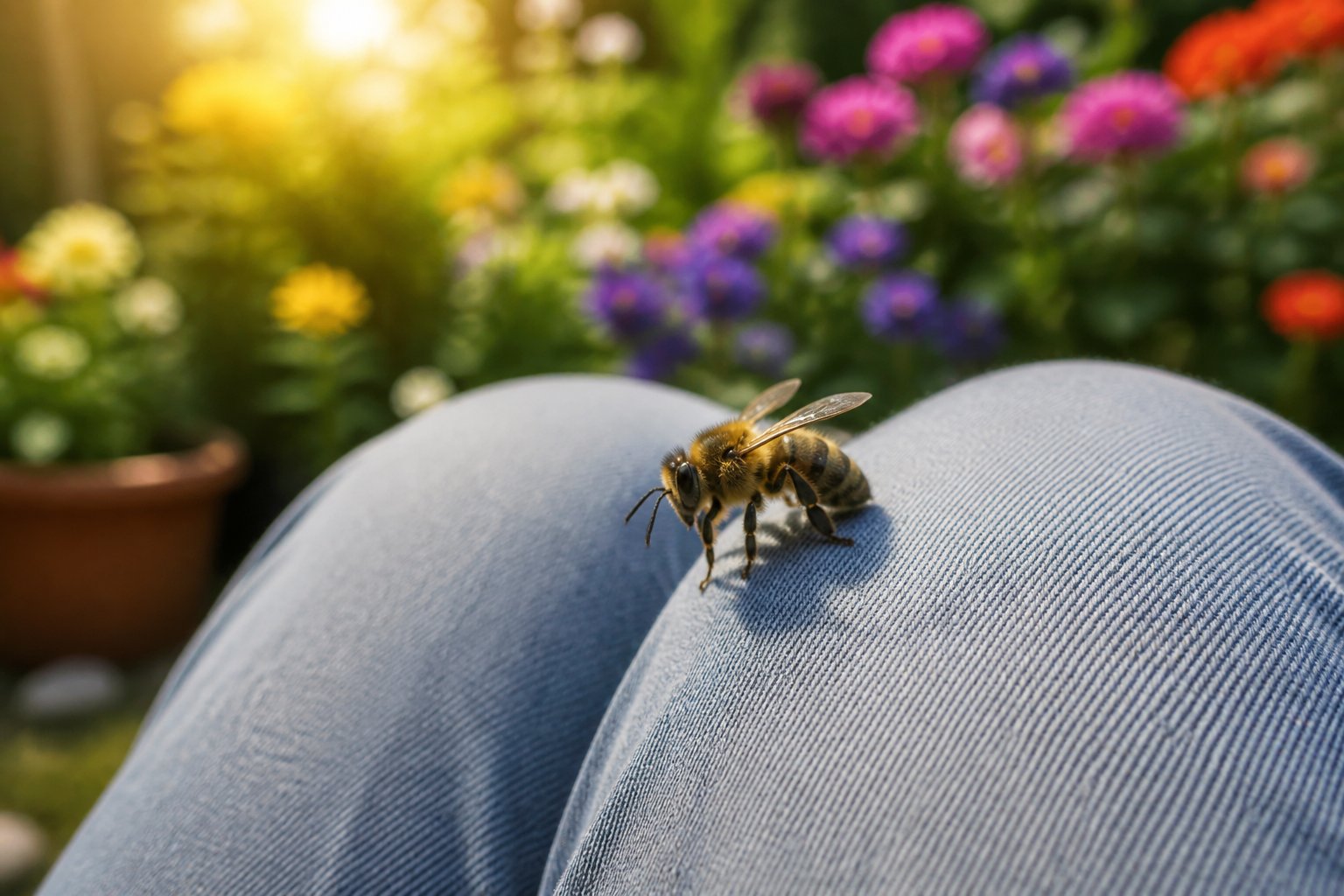
The phrase sounds unusual because it mixes a small animal with a body part people do not normally associate with compliments. That oddness is exactly what helps it stick in your memory.
Playful Expressions And Animal-Body Wordplay
English loves playful expressions that use animals and body parts for comic effect. The result is often a quirky expression that feels more vivid than plain praise.
The bee’s knees fits that pattern neatly. It sounds a little absurd, which makes it easier to remember and more fun to say.
Bee Anatomy Versus The Idiom
Bee anatomy does include jointed legs, so the phrase is not completely disconnected from reality. Even so, the compliment does not come from bee biology.
The idiom is not praising actual knees. It is borrowing the image of a bee to create something catchy and memorable.
Why Quirky Expression Patterns Stick
Quirky expressions tend to last because they give language personality. If a phrase sounds surprising, people repeat it, and repetition helps it survive.
That is why the bee’s knees still works in modern speech, even when it sounds old-fashioned. The odd wording gives it charm that plain words often lack.
When To Use It And What To Say Instead

You can use the phrase when you want to sound warm, playful, or amused while giving praise. It is less useful when you need a crisp, modern, neutral compliment.
Best Situations For Casual Praise
The phrase works well in casual conversation, friendly writing, light branding, or joking compliments. If you are praising food, clothes, a trip, or a clever idea, it can add personality.
It also pairs well with retro or nostalgic tone. That makes it useful when you want the praise itself to feel a little playful.
When It Can Sound Dated Or Too Cute
In formal business writing, the phrase may feel too cute or too old-fashioned. It can also sound ironic if the setting is serious and your audience expects plain language.
If you want to avoid that effect, use a straightforward compliment instead. “Excellent,” “outstanding,” or “top-notch” will sound more current in many settings.
Comparable Expressions With A Similar Feel
If you want a similar vibe, you can use the cat’s pajamas or the cat’s whiskers. Those phrases share the same old-timey, playful energy.
In modern vernacular, you might say something is “amazing,” “awesome,” or “the best.” Those options keep the praise clear while sounding more current than the bee’s knees.


