
When a bat unexpectedly flies into your house, it can be a startling experience. Still, you must stay calm and know how to handle the situation.
To safely remove a bat, first ensure all windows and doors to the outside are open, allowing the bat a clear exit path. This way, you can help the bat return to its natural habitat without harm.

Bats play a vital role in our ecosystem, helping control insect populations and supporting the health of our environment. Understanding how to deal with bats respectfully can turn a frightening moment into an opportunity to appreciate wildlife. You’d be surprised to learn how often these creatures end up in homes and the simple steps you can take to help them find their way out safely.
So, what should you do if a bat flies in? Let’s explore practical tips to handle this situation while ensuring both your safety and the well-being of the bat.
Understanding Bats and Public Health
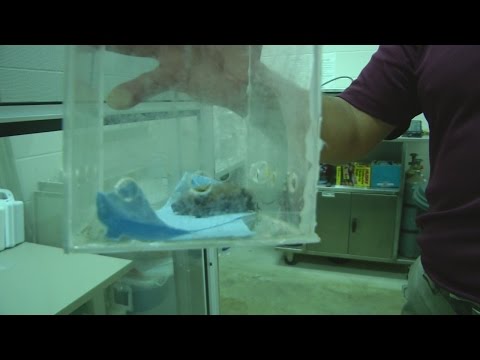
Bats play an essential role in our ecosystem but can also pose public health risks when they find their way indoors. Knowing these aspects can help you manage any encounters safely.
Role of Bats in the Ecosystem
Bats are vital to the environment. They help control insect populations, like mosquitoes and agricultural pests, by consuming large quantities each night. Some bats also aid in pollination and seed dispersal, which supports healthy plant growth.
Healthy bat populations contribute to a balanced ecosystem. They reduce the need for chemical pesticides, promoting cleaner air and soil. Protecting bats and their habitats is important for their survival and the health of our environment.
Risks Associated With Bats Indoors
When bats enter your home, there are several risks to consider. One major concern is rabies, a serious infectious disease that can be transmitted through bites or scratches. If a bat is in your house, do not touch it with bare hands, and contact animal control for assistance.
Exposure to bats may lead to potential rabies transmission, especially if the bat is behaving erratically. It’s crucial to keep your pets vaccinated against rabies. In case of a direct encounter, seeking medical attention may be necessary to discuss the rabies vaccine and other precautions. Keeping your home bat-proofed can help prevent these situations.
Immediate Response to a Bat Intrusion

Finding a bat in your home can be alarming. It’s essential to act calmly and follow the right steps for both your safety and the bat’s well-being.
Safety Precautions
First, you should prioritize safety. Bats can carry diseases like rabies, so it’s important to avoid direct contact. Keep your distance and make sure children and pets are out of the area.
Close off any rooms you can, sealing doors and windows to prevent the bat from flying into other spaces. If possible, turn off the lights in the room. Bats are more likely to exit where it is dark and open.
Remember, if the bat bites you, it’s critical to seek medical attention right away to assess the risk of rabies. A visit to the emergency room may be necessary.
How to Catch a Bat
If you feel comfortable, you can gently encourage the bat to leave. Open windows and doors widely, creating an escape route. Use soft cloths or towels to guide the bat without harming it.
If the bat doesn’t leave willingly, you can use a container to catch it. Carefully place a box or large cup over the bat, then slide a piece of cardboard underneath. Be gentle to avoid stressing the animal.
Once captured, gently release the bat outside. Avoid handling it directly to minimize the risk of bites.
When to Call Animal Control
If the bat seems injured or can’t find its way out, it’s time to contact professionals. Animal control can safely remove the bat and assess whether it needs help.
Additionally, if you suspect the bat may have come into contact with you or your pets, call your local health department. They can guide you on the next steps for health risks, including rabies testing if needed.
After the Bat is Caught

Once you have safely caught the bat, it is important to take necessary actions to ensure your health and safety. This includes notifying health authorities and understanding the risks associated with rabies.
Health Department Notifications
After catching the bat, you should contact your local health department. They can advise you on what steps to take next. Let them know where you found the bat and any potential exposure you might have had.
If the bat was indoors and had contact with people or pets, the health department may want to test it for rabies. This is crucial since it can help prevent potential health risks.
Make sure to follow their guidance. They may suggest monitoring for symptoms or provide information on vaccination options if there was any exposure.
Rabies and Potential Exposure
Bats can carry rabies, a serious disease that can be fatal if not treated. If you have been bitten or scratched, wash the area with soap and water immediately. This can help reduce the risk of infection.
Contact a healthcare provider for advice. They will assess your situation and might recommend a rabies vaccine. It’s important to act quickly.
Remember, most bats do not carry rabies, but being cautious is essential. If the bat tested positive for rabies, your healthcare provider may suggest a post-exposure rabies vaccination series. Staying informed can help keep you safe.
Preventing Future Incidences

Taking steps to stop bats from entering your home is essential for peace of mind. By implementing some home fortification strategies and installing a bat house, you can create a safer environment.
Home Fortification Strategies
Fortifying your home is key to preventing bats. Start by inspecting your property for any openings. Bats can enter through tiny spaces, even as small as ¼ inch.
Steps to fortify your home:
- Seal Cracks and Gaps: Use caulk to seal cracks in walls, foundations, and around windows.
- Install Screens: Make sure to cover vents and chimneys with screens.
- Close Entry Points: Keep doors and windows shut, especially at dusk when bats are most active.
Don’t forget to check your attic and basement for cracks or holes. Regular inspection and maintenance can make a big difference. If you suspect an entry point, consider consulting pest control for professional help.
Installing a Bat House
Installing a bat house can benefit both you and the bats. It provides a safe place for bats to roost, keeping them away from your home.
To attract bats, follow these tips:
- Select the Right Location: Place the bat house at least 12-15 feet off the ground. Ideally, put it in a sunny spot.
- Choose Quality Materials: Use untreated wood to ensure proper ventilation and temperature.
- Avoid Guano Buildup: Ensure there’s enough space and ventilation to prevent guano accumulation inside the house.
By providing bats with an appropriate home, you can keep your space bat-free while helping the environment.


