
If you find a bat in your home, you might be wondering if it’s safe to sleep with it there. Many people don’t realize that bats can carry diseases, making them a risk to your health. You should not sleep in a room with a bat due to the potential for rabies transmission and other health concerns.

While bats are often beneficial for controlling insects, it’s important to be cautious. Their small size makes them hard to spot, leading to worries about accidental encounters while you sleep.
If you can’t find the bat, it is better to take precautions and ensure your safety first.
In this article, you will learn more about the risks associated with sleeping in a room with a bat, how to handle the situation, and what steps to take if you discover one in your home. Staying informed will help you make the best decisions for your health and safety.
Understanding Bats in the Home

Finding a bat in your house can be surprising. If you have a bat in your bedroom, it’s important to stay calm. One bat doesn’t usually mean there’s a major problem, but it’s good to be cautious.
Bats are harmless creatures that mostly feed on insects. They may enter your home through small openings. If your home is cozy and dark, it might attract bats looking for a place to rest.
If you wake up with a bat nearby, avoid touching it. Bats can transmit infectious diseases through bites or scratches.
Always ensure you have not had direct contact before deciding whether to seek further help.
To prevent bats from staying in your house, consider bat-proofing measures. This includes sealing cracks and openings. You can also minimize food sources, like insects, around your home.
If you encounter a bat, the best course is to safely remove it. You can do this by contacting local wildlife control or using a humane trap. If you suspect a larger issue, such as a bat infestation, professional help is recommended.
Understanding these gentle creatures will help you handle any bat encounters calmly. They play a vital role in nature, so it’s best to respect their space while ensuring your home remains bat-free.
Health Risks of Bats Indoors

Having bats in your home can pose serious health risks. Understanding these risks is important for keeping yourself and your family safe. Two main concerns are rabies and the hazards related to bat droppings.
Potential for Rabies and Bites
Bats are known carriers of rabies, a serious viral disease. Rabies exposure can occur if a bat bites you or even touches you. The odds of getting rabies from a bat bite are low, but it’s essential to act quickly.
If you feel a bat touch your skin, contact your health department immediately.
Most bat bites may not leave a noticeable mark, making them hard to detect. This makes it crucial to carefully monitor any interaction.
If a bat is in your home, you should consider getting a rabies shot. Rabies vaccinations can prevent the virus from causing harm. Also, rabies postexposure prophylaxis is vital if exposure occurs.
Always keep public health guidelines in mind when dealing with bats.
Histoplasmosis and Guano Hazards
Bat droppings, known as guano, can be a health risk. They can harbor a fungus that leads to histoplasmosis, a respiratory disease. If you breathe in spores from dried bat droppings, you could experience flu-like symptoms. Serious cases can result in severe illness, especially for those with weakened immune systems.
To reduce the risk, avoid areas with bat guano. If you discover bat droppings, it’s important to clean them carefully.
Use a mask and gloves, and follow safety procedures to avoid inhaling spores. Contact local wildlife professionals for safe removal and advice on preventing bat infestations in the future.
What to Do If You Find a Bat in Your Home
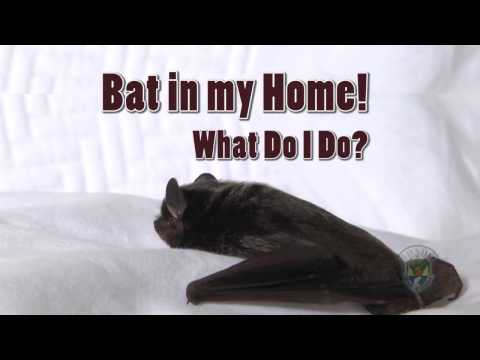
Finding a bat in your home can be surprising and concerning. It’s important to handle the situation calmly and safely. Here’s how to manage a bat encounter effectively.
Safely Capturing and Releasing
If you find a bat in your living space, avoid direct contact. First, make sure all people and pets are out of the room. Close the door and open a window to offer an escape route.
Wear thick gloves while attempting to capture the bat.
Using a sturdy container, like a shoe box, gently coax the bat inside by tilting the container towards it. Once inside, carefully cover it with a lid, ensuring no gaps remain for the bat to escape.
Take the box outdoors, away from your home. Release the bat in a safe, quiet area. Remember, bats are beneficial for the environment, so giving them a chance to return to their natural habitat is ideal.
When to Contact Health Authorities
If the bat has been in your living space while you were sleeping or if you suspect you may have been bitten, seek medical advice right away. Bats can carry rabies, which is a serious health concern.
Contact your local health department or your doctor to discuss any potential exposure. They can help determine if you need rabies post-exposure prophylaxis (PEP) treatment. The Centers for Disease Control and Prevention (CDC) provides guidelines on handling bat encounters.
If you find a bat that appears sick or disoriented, do not attempt to capture it. Instead, report the situation to your local wildlife control or pest control services for further assistance.
Professional Bat Removal
If you’re uncomfortable handling the bat yourself, it is wise to call for professional help. Many pest control and wildlife removal services specialize in safe bat removal.
Professionals will assess the situation, locate the bat, and safely remove it from your home. They can also check for entry points where bats might be getting in and offer solutions to prevent future encounters.
Always choose a service that follows guidelines for humane bat removal. This will help protect both your home and the local bat population, contributing to public health and environmental safety.
Prevention and Bat-Proofing Techniques

To keep bats from coming into your house, you need to bat-proof your home. Start by identifying any gaps or holes. Bats can enter through places as small as 0.5 by 1.25 inches.
Here are some key things to check:
- Roof: Look for cracks in the shingles or openings in the eaves.
- Walls: Check for gaps in siding or holes around windows and doors.
- Vents and Chimneys: Make sure these areas are screened or capped.
You can use natural scents to repel bats. Strong odors like eucalyptus, peppermint, and garlic are known to deter them. You can place these scents around entry points.
It’s also wise to keep your environment bat-friendly. Avoid leaving outdoor lights on at night, as they can attract insects, which in turn attracts bats.
If you notice bats flying in your house at night, try to remain calm. Having a bat swoop down at you can be startling, but a simple solution is to guide it out using a soft towel or blanket.
Finally, if you suspect a bat infestation, contact pest control experts. They can safely remove bats and provide bat-proofing advice to prevent future visits.


