
Finding a bat in your house can be quite a surprise, and it’s important to know the right steps to take. If you see a bat indoors, the best thing to do is to stay calm, ensure everyone and your pets are out of the room, and let the bat find its way out through an open window. This approach allows the bat to leave without panicking, which can help prevent any accidents.

While most bats are harmless and not a threat, it’s good to remember that they can carry diseases like rabies. Checking for signs of illness is crucial, and if you’re unsure about the bat’s behavior, it’s wise to reach out to local wildlife authorities for guidance.
Creating a safe space for the bat to exit is key to resolving the situation quickly and efficiently.
In the long run, it’s also beneficial to consider ways to prevent bats from entering your home. This may include sealing up gaps and installing bat houses outside, which can encourage these helpful creatures to roost in a safe space away from your living area. Knowing what to do can turn a stressful experience into a manageable one.
Identifying Bat Presence
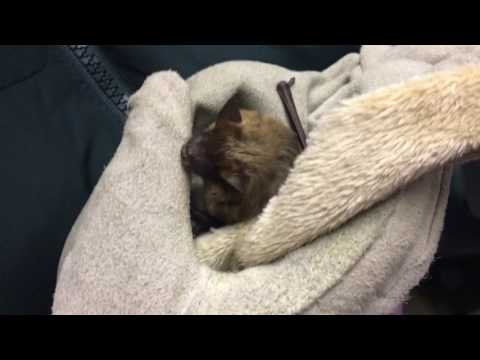
If you suspect bats are in your home, it’s important to know how to identify their presence. Look for specific signs and behaviors that indicate these animals may have found a cozy spot to roost.
Recognizing Signs of Bats
Bats leave clear signs that they are sharing your space. One of the most noticeable indicators is bat guano, or droppings. You might find it accumulating in areas like your attic or near entry points. Bat droppings are often dark, crumbly, and about the size of a raisin.
Also, watch for stains on walls or ceilings, which can be caused by bat urine. Noises are another clue. You may hear scratching sounds or soft chirps, especially at dusk when bats are most active.
If you notice strange behavior in pets, like barking at walls or ceilings, it might be that they sense a bat nearby. Inspect siding and fascia boards around your home for any small entry points where bats could sneak in.
Understanding Bat Behavior
Bats are nocturnal creatures, meaning they are active at night. During the day, they often hang upside down in dark, secluded areas. If you see a bat flying inside your house, stay calm. They can easily navigate and will usually find their way to an exit.
If you spot a single bat, it might be a sign of a more significant issue, like a colony of bats nearby. Especially in maternity season, it’s crucial to act quickly, as mothers may be raising young bats in your attic.
Remember, while bats can be unsettling, they play a valuable role in controlling insect populations. Your goal should be to safely encourage them to leave rather than harm them.
Safely Removing Bats

Finding a bat in your home can be surprising, but there are safe ways to handle the situation. It’s important to act calmly and know the steps to take. Below are two crucial approaches to deal with this issue.
Immediate Actions for a Single Bat
If you spot a bat, your first step is to keep calm. Try to isolate the bat in one room and close doors to the rest of the house.
Open windows to create an exit path. Bats are usually shy and will fly towards natural light. Turn off any lights in the room to encourage the bat to leave.
If the bat does not exit, you can gently trap the bat using a soft container, like a cardboard box. Place a cloth over the opening to keep it contained. It’s important to wear gloves and avoid direct contact.
After securing the bat, you can take it outside to release it. Make sure to place it away from your home to prevent it from returning right away.
Contacting Professionals for Removal
If you’re uncomfortable handling the bat yourself, contacting professionals is the best choice. Local animal control or wildlife agencies are trained to deal with bats safely. They can provide a humane removal service.
You may also reach out to a pest control service experienced in bat removal. They will assess your home and note where bats may be entering, like through gaps in insulation or cracks.
Hiring professionals ensures the bat is removed safely, and it helps prevent future visits. They can also give advice on how to prevent bats from returning, such as installing a bat house nearby or sealing entry points.
Cleaning and Restoration

Cleaning and restoring your home after a bat encounter involves addressing bat droppings and repairing any damage caused by their presence. Taking the right steps is important to ensure a safe and healthy environment.
Dealing with Bat Guano
Bat guano, or bat droppings, can pose health risks, including diseases like histoplasmosis. It’s essential to wear protective gear such as gloves, a mask, and goggles when cleaning.
- Prepare the Area: Seal off the area to prevent spores from spreading.
- Damp Cleaning: Lightly spray the droppings with water to reduce dust. Use a disposable scoop or dustpan to collect the guano.
- Disposal: Place the waste in a sealed plastic bag and dispose of it in accordance with local regulations.
- Cleaning Surfaces: Clean the area with a disinfectant. This helps eliminate any remaining bacteria or spores.
Make sure to ventilate the space well during cleaning to avoid inhaling any harmful particles.
Repairing Bat Damage
Bats can cause damage to your home that may require repairs. This often includes insulation, roofing, and siding concerns.
- Inspect for Damage: Check areas where bats were present. Look for droppings, stains, and any structural issues.
- Replace Insulation: If insulation is contaminated with droppings or moisture, it may need to be replaced.
- Roof and Siding Repairs: Fix holes or cracks to prevent bats from returning. Use caulk for small gaps and consider mesh for larger openings.
- Professional Help: Sometimes, it’s best to hire a professional for extensive repairs.
Taking care of these issues promptly will help maintain the safety and integrity of your home.
Preventing Future Intrusion

To keep bats from returning to your home, focus on sealing any possible entry points and providing alternatives for their roosting needs. Taking these steps can help ensure your home remains bat-free.
Securing Entry Points
Bats can enter your home through very small openings. It’s crucial to inspect your house thoroughly for gaps. Start with common areas:
- Vents: Check for loose or missing covers.
- Gaps around windows and doors: Install weather stripping or caulk.
- Chimneys: Consider using a chimney cap to block access.
- Roofing: Look for damaged shingles or other entry points.
Seal any cracks or holes more than a quarter-inch wide. Using materials like expanding foam or caulk can help. Regularly inspect your home to catch any new entrances before bats find them.
Strategic Bat Houses Installation
Installing bat houses can encourage bats to roost in safe areas away from your home. Here’s how to do it right:
- Location: You should mount the bat house at least 12-15 feet above the ground in a warm, sunny spot. Bats prefer places that face south or southeast.
- Design: Choose a bat house that has multiple chambers and adequate ventilation. This allows for comfort and encourages bats to stay.
- Time: You should allow the bat house to be set up for a few weeks before sealing your home. This gives bats a place to go.
Providing a safe alternative can reduce the chances of them returning to your house while also benefiting your local ecosystem by helping with insect control.


