
You’ll spot deer munching on way more than just grass. They mostly go for plants—think leaves, twigs, fruits, nuts, and grasses. Their menu changes with the seasons, so they can get the energy and nutrients they need.
Deer mostly eat plant-based foods like leaves, buds, fruits, nuts, and grasses, and they shift their diet each season to survive and grow.
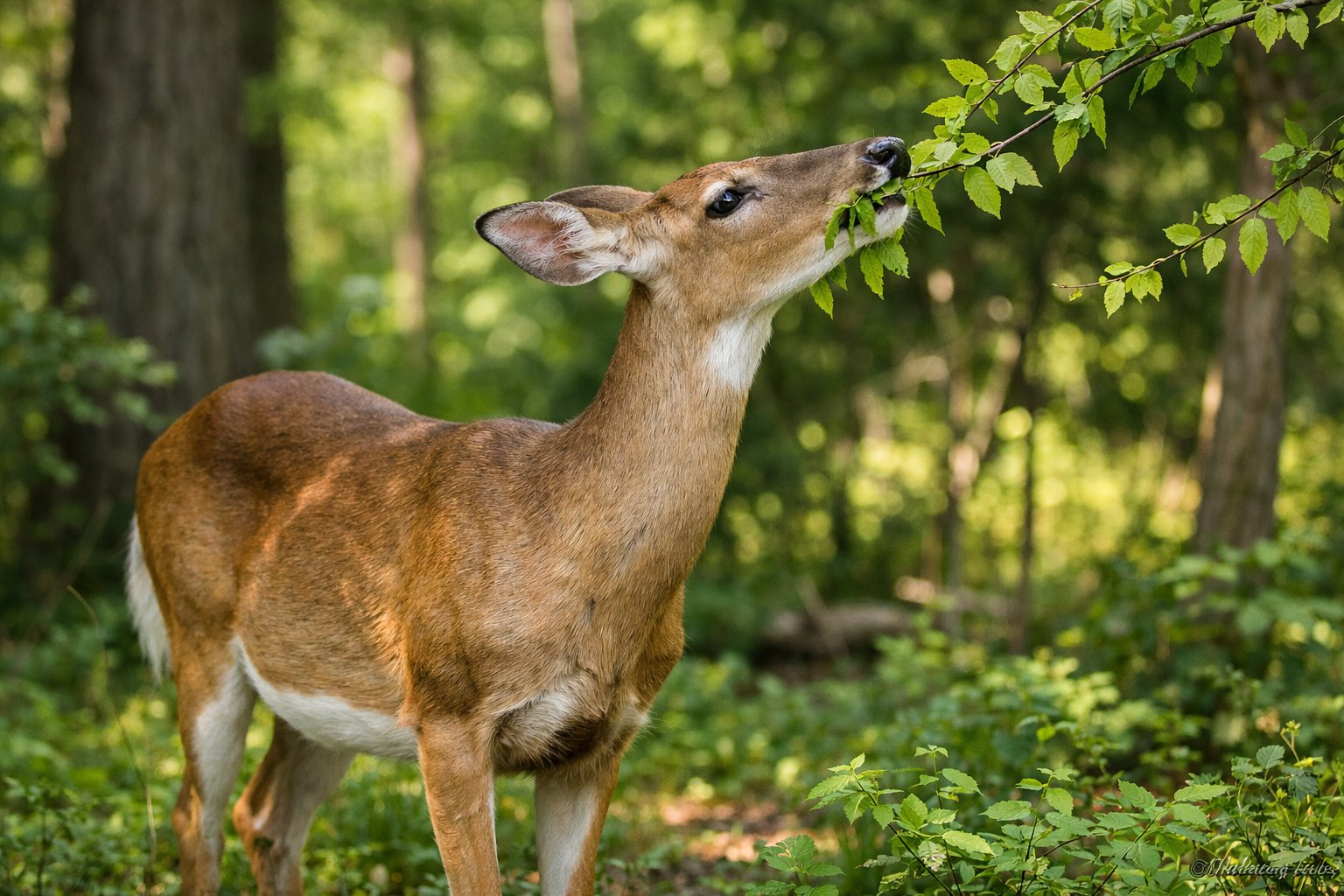
As you keep reading, you’ll see why deer pick certain plants and how their meals shift with the seasons and their habitat. Their unique stomachs help them squeeze out nutrients, which is honestly kind of fascinating.
If you want to understand deer behavior, protect your garden, or just plant for wildlife, this stuff matters.
What Do Deer Eat and Why?

Deer eat mostly plants that give them a good energy and nutrient boost. They like young, tender plant parts that are easier to digest and packed with protein, fats, or sugars, depending on the time of year.
Natural Deer Diet Breakdown
Deer are herbivores and ruminants, so their meals center on plant matter they can ferment and chew again. In spring and summer, you’ll catch them eating forbs, clover, alfalfa, and fresh leaves because those offer high protein for growth.
When fall rolls around, they switch to mast like acorns, apples, persimmons, and chestnuts to build up fat for winter.
Browse—leaves, buds, and twigs from shrubs and saplings—makes up a big chunk of their winter diet when green plants run low.
Deer also eat grasses and cereal grains like oats, wheat, corn, and soybeans if they find them, though grasses don’t offer as much nutrition.
You can check out more details about their seasonal picks and digestive quirks here: What Do Deer Eat and Why? Inside the Digestive Biology of Deer.
Key Foods Deer Prefer Most
Deer focus on foods that give the most nutrition for the least effort. They love:
- Young leaves and shoots from shrubs and saplings (browse).
- Forbs, clover, and legumes for their protein punch.
- Mast like white oak acorns, pecans, and chestnuts for fat and carbs.
- Fruits—apples, pears, blackberries, persimmons—when they’re ripe.
- Crop plants: soybeans, corn, and wheat are big seasonal favorites.
If you’re planting a food plot, go for legumes and clover to draw deer in. Don’t assume they’ll eat every ornamental plant; they usually go for the tender new growth first.
Their choices often depend on what’s easiest to digest and highest in nutrients.
Feeding Strategies and Selective Browsing
Deer act as concentrate selectors. They pick the freshest, most nutritious plant parts instead of just eating a lot of rough stuff.
You’ll see them nibbling at the tips of branches, young saplings, or the newest leaves of clover and alfalfa.
They use their nose and eyes to find tasty plants and steer clear of toxins. For example, they’ll gobble up white oak acorns during good mast years but might skip the bitter ones from other oaks.
They often raid food plots with soybeans or corn in late summer and fall when those crops are loaded with energy.
If you want to manage deer feeding on your land, try rotating food plot species, guard young saplings, and plant a mix of forbs, legumes, and mast trees to keep deer happy all year.
How Deer Digest and Adapt to Their Food

Deer break down tough plants with a four-part stomach. They switch up their diet with the seasons and pick foods based on what’s around.
That’s how they get through winters, grow antlers, and make the most of different habitats.
Ruminant Digestion and the Four-Chambered Stomach
Deer have a rumen, reticulum, omasum, and abomasum. The rumen is full of microbes that ferment cellulose, letting deer pull energy from leaves, twigs, and other fibrous stuff.
The reticulum catches heavy or tough bits and helps form cud. Deer spit up and re-chew this cud to break it down more, which helps the microbes do their job.
The omasum pulls out water, salts, and some fatty acids, making the food more concentrated.
Finally, the abomasum works like a real stomach, using acids and enzymes to break down proteins and microbes.
This system lets deer get nutrients from browse even when grasses are scarce. Sudden diet changes (like someone feeding them pet food) can mess up their rumen microbes pretty badly.
Seasonal Diet Changes
You’ll notice deer change up their meals with the seasons. In spring and summer, they want forbs, young leaves, and fresh shoots for protein and water.
That helps bucks grow antlers and does make milk.
In fall, they go for nuts and fruits—acorns and berries—to pack on fat for winter.
Those energy-rich foods are crucial for surviving the cold months.
When winter hits and green plants disappear, deer switch to browse: twigs, buds, and bark from shrubs and trees.
Their rumen microbes have to work harder to pull nutrients from this lower-quality forage.
If you manage land, you can help deer by timing plantings or protecting oaks so they have high-quality fall foods.
Mule deer, white-tailed deer, and other species show these same seasonal shifts, though the exact plants change depending on where they live.
Impact of Habitat on Food Choices
Your local habitat really shapes what a deer herd eats. In dense eastern forests, white-tailed deer go for oak and maple twigs. They’ll also use understory shrubs.
Head out west to sagebrush country, and mule deer munch on shrubs like bitterbrush and sage. Coastal forests? Well, deer there sometimes nibble on ferns and mushrooms too.
Human changes make a difference. Suburban yards tempt deer with ornamentals and fruit trees. That can change how they feed—and sometimes sparks conflict.
Agricultural fields put out high-calorie crops like corn. Sure, deer love that, but those crops don’t have all the micronutrients deer get from natural browse.
If you’re planning wildlife management, try mixing in mast-producing trees, native shrubs, and spring forbs. That’ll support healthier deer herds. It’s not just deer, either—elk and red deer benefit too, since they often eat similar foods in different regions.


