
When you think about the Arctic fox, also known as vulpes lagopus, you might wonder what these fascinating mammals smell like. Arctic foxes have a unique combination of scents that include a musky odor from their scent glands, a pungent aroma, and a noticeable urine scent. These smells can be quite strong, especially if you’ve encountered a fox in the wild.
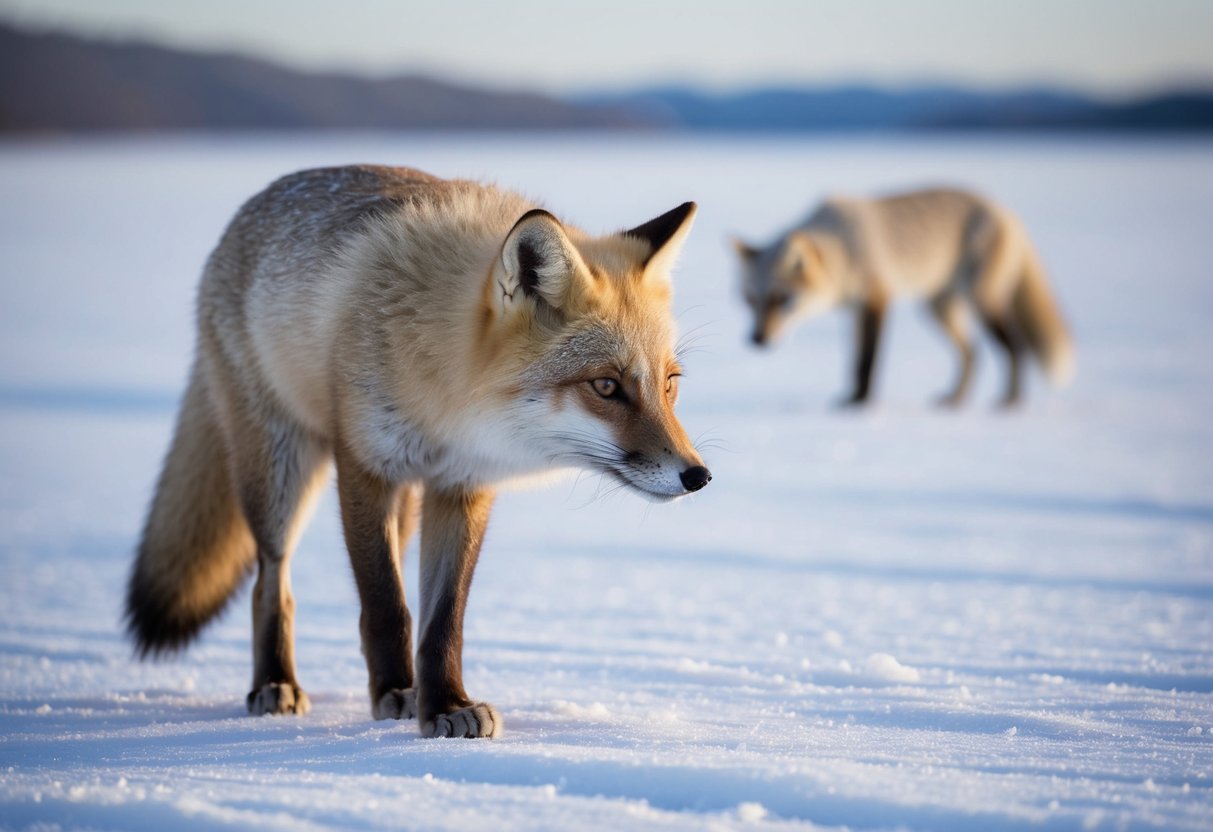
Their keen sense of smell plays a crucial role in their survival, helping them locate food like seals and lemmings even under deep snow. This ability to detect scents makes them one of the most skilled hunters in their harsh environment.
Understanding what Arctic foxes smell like not only gives you insight into their biology but also lets you appreciate how they thrive in some of the coldest places on Earth.
Physical Characteristics and Adaptations
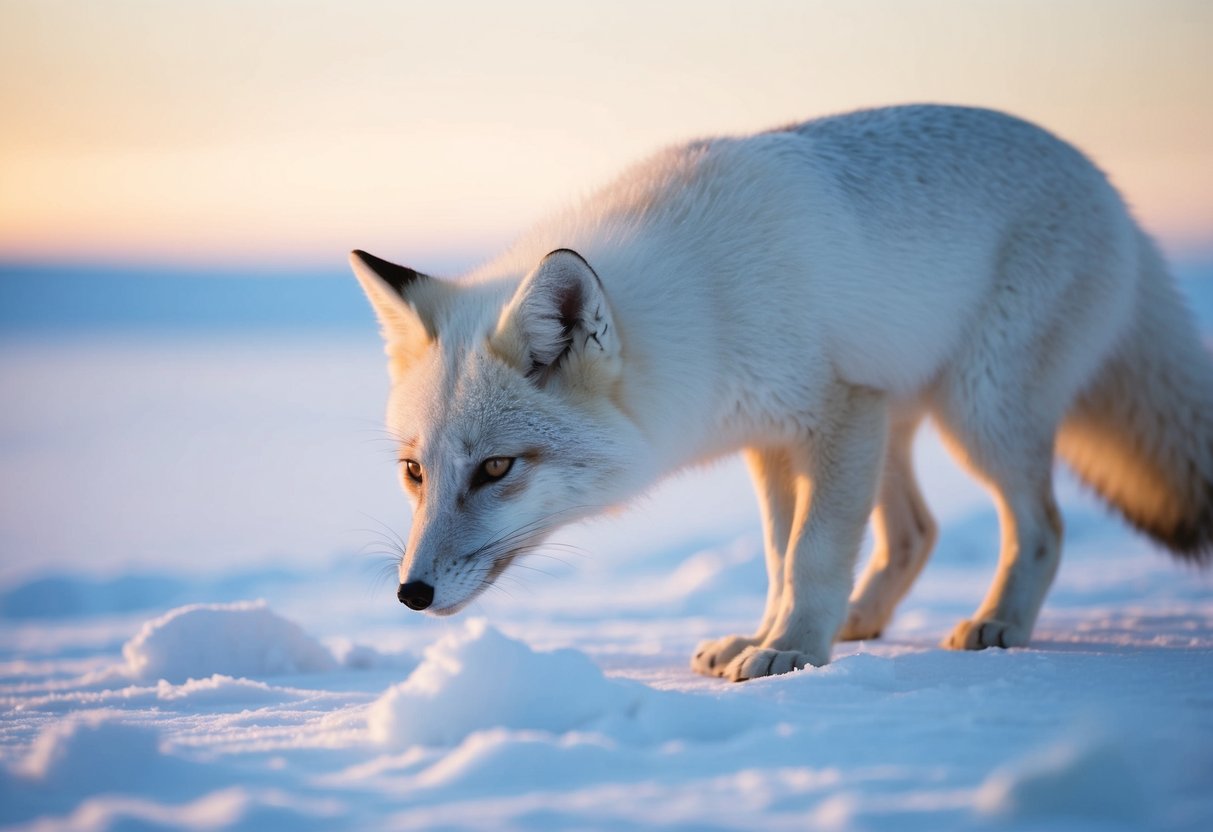
When exploring the arctic fox’s adaptations, two key features stand out: its thick fur for warmth and its acute senses for survival. These traits are essential for thriving in the harsh Arctic tundra.
Thick Fur and Camouflage
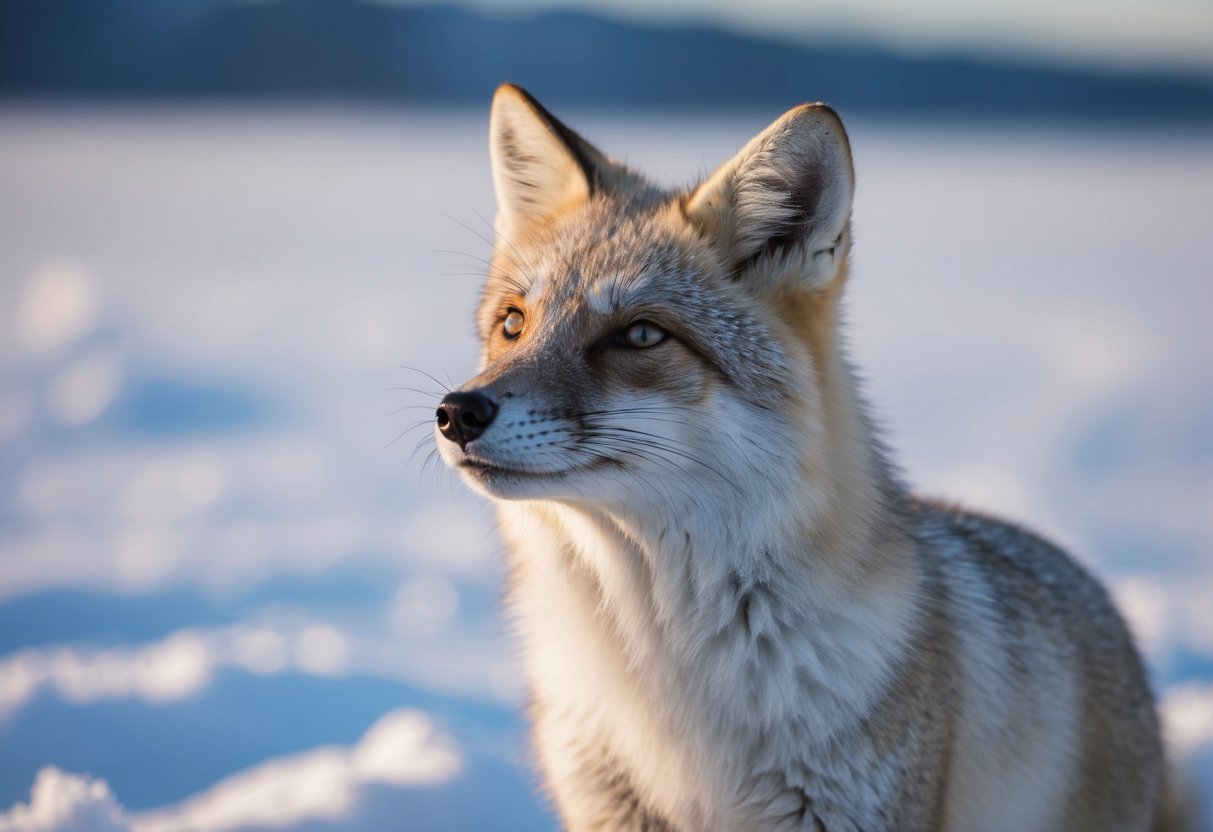
The arctic fox is well-known for its thick fur, which provides insulation against extreme cold. In winter, its coat is primarily white, blending seamlessly with the snowy landscape. This camouflage not only allows the fox to hide from predators, but it also aids in hunting prey.
As the seasons change, the arctic fox’s fur color shifts to a brown or gray hue during summer. This adaptation helps it blend in with the tundra and rocky terrain, making it easier to avoid detection.
The fox’s rounded body shape minimizes heat loss, while the bushy tail helps provide balance and warmth when curled up.
Arctic Fox Senses
Your sense of smell is crucial for survival, and for an arctic fox, it’s incredibly sharp. The fox has a keen ability to detect prey hidden beneath snow. This skill is vital during harsh winters when food is scarce.
In addition to its sense of smell, an arctic fox has great hearing. This ability allows the fox to locate prey even in freezing temperatures.
With a short muzzle, it can dig through snow to reach a meal. These physical adaptations help you understand how successfully the arctic fox lives in a challenging environment.
Diet and Hunting Behavior
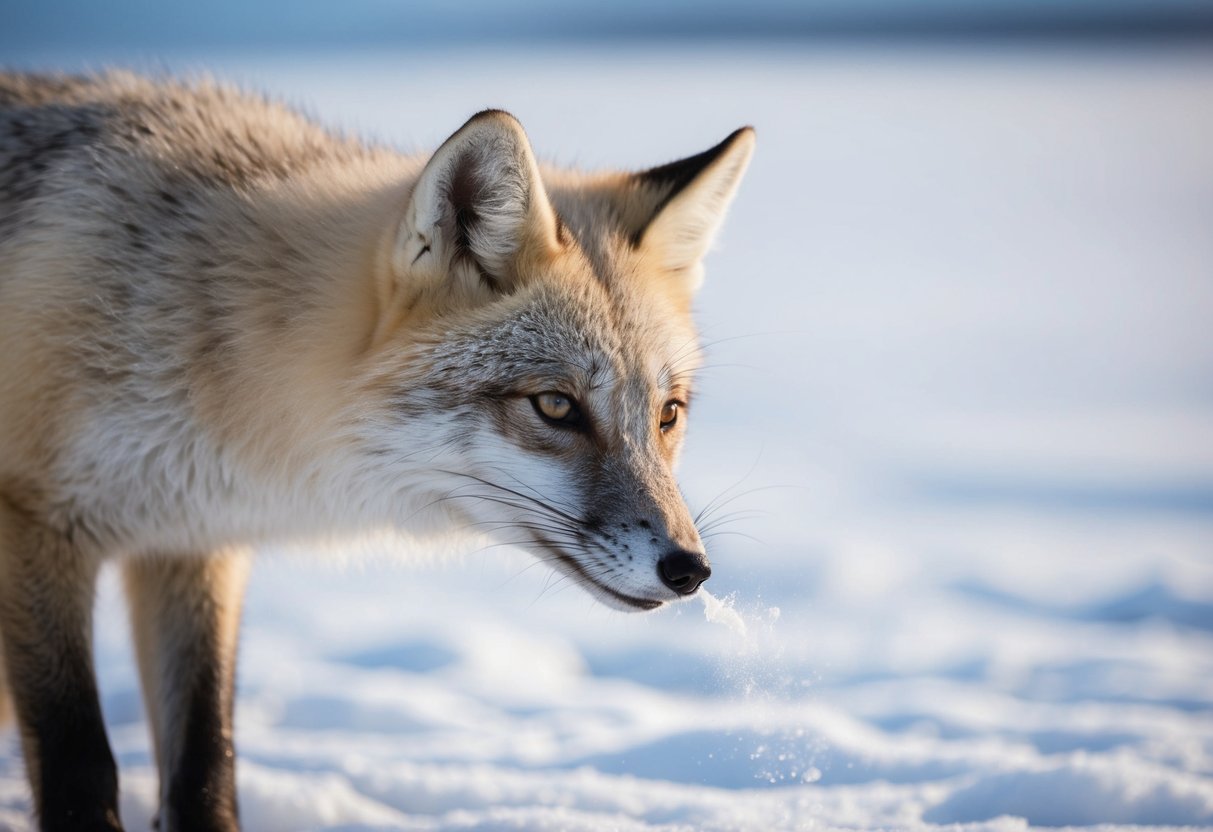
Arctic foxes have a varied diet that changes with the seasons. They are omnivores, which means they eat both plants and animals. Their hunting behavior is also quite interesting as they use unique techniques to catch their prey.
Omnivorous Diet
You will find that the diet of an Arctic fox includes a mix of small mammals, birds, insects, and berries. They primarily hunt for lemmings, which are abundant in their habitat. During summer, they enjoy fruits and plants, adding a sweet flavor to their meals.
In colder months, they rely more on hunting. Besides lemmings, they may eat other small mammals and birds. They can also scavenge on carrion if they can’t find fresh prey. This adaptability helps them survive in harsh Arctic conditions.
Hunting Techniques and Prey
When it comes to hunting, Arctic foxes are skilled and resourceful. They use their acute sense of smell to locate prey hidden beneath the snow. You can imagine them pouncing down to break through icy surfaces to catch their food.
Their small size allows them to sneak up on unsuspecting prey, making them effective hunters. Besides lemmings, they may also target fish when the opportunity arises.
Their versatile hunting techniques help them thrive in various environments and guarantee they find something to eat all year round.
Habitat and Distribution
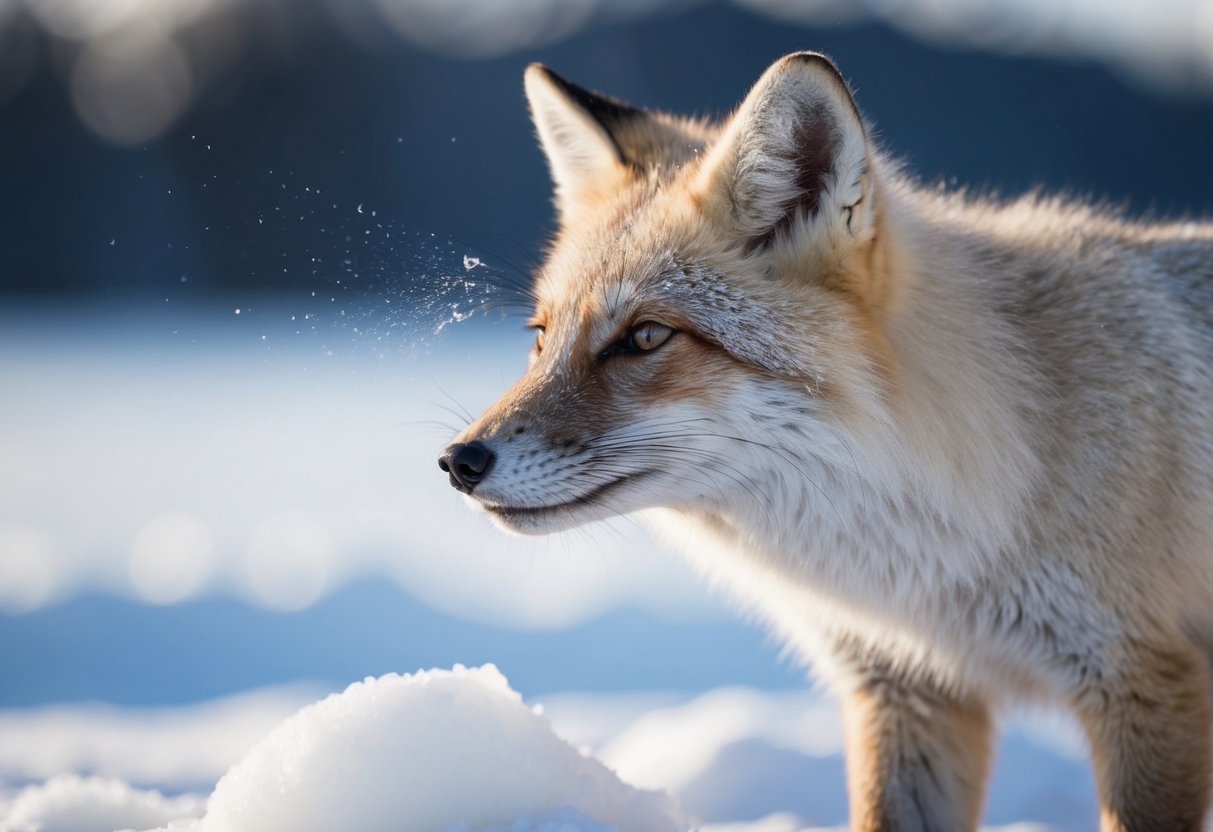
Arctic foxes thrive in extreme environments. Their ability to adapt allows them to live in the frigid habitats of the Arctic tundra. You might be surprised to learn about their range across several countries and how they manage to survive the cold.
Adaptability to Harsh Climates
Arctic foxes are specially adapted to live in extreme cold. Their thick fur provides insulation, keeping them warm during frigid winters. This fur changes color with the seasons; white in winter for camouflage and brown or gray in summer.
Their small ears help minimize heat loss, while their furry soles protect them from the icy ground. You’ll find that these adjustments help them survive temperatures that can plummet to -40°F.
They also use snow burrows for shelter. These dens not only protect them from the cold but also provide a safe place for raising their young. This adaptability is key to their survival in such challenging conditions.
Global Presence
Arctic foxes can be found across the Arctic regions, including parts of Russia, Greenland, Iceland, Alaska, and Canada. They inhabit tundra areas, where the landscape is characterized by cold and sparse vegetation.
In Europe, their distribution includes areas such as northern Scandinavia. They prefer open regions where they can easily search for food. Their range can extend as far south as the tree line in some locations where conditions are still harsh.
Arctic foxes are known to migrate for food during the winter, following their prey. Their wide range helps them adapt to changes in the environment and find suitable habitats throughout the Arctic tundra.
Reproductive and Social Behavior
Arctic foxes have fascinating reproductive patterns and social structures that help them survive in harsh environments. Their mating habits and the way they raise their young play a crucial role in their lives.
Mating and Breeding Season
Arctic foxes are known for their monogamous pairs. Once they find a mate, these pairs often stay together for life. The breeding season occurs between February and March.
During this time, the female will attract a male with calls and scents. After mating, the female has a gestation period of about 53 days. She typically gives birth to a litter of 5 to 8 pups, but sometimes even more!
The pups are born in a den, which provides shelter and safety. As they grow, they rely on their parents for care and food.
Raising Pups and Social Structure
After the pups are born, both parents take part in raising them. The father will help catch food for the family, while the mother cares for the pups.
Foxes are territorial and often create family groups. These groups can include the parents and their young. The pups stay with their parents for several months, learning important survival skills.
Once weaned, the pups start to explore outside the den. By the time they reach about 5 months old, they begin to hunt on their own. This teamwork and strong family bond are vital for their survival in the Arctic.


