
If you’re curious about which colors bees don’t like, it’s mostly the dark shades—think black, brown, and especially red. Bees usually avoid these colors because they can’t see red well, and dark colors often look like shadows or even threats to them. That makes those colors less appealing, so if you’re hoping to keep bees away, you might want to stick with these hues.

Knowing which colors don’t attract bees can actually come in handy. Maybe you’re picking out clothes for a picnic, or maybe you’re just planning your backyard garden.
If you pick colors that bees tend to ignore, you might notice fewer buzzing visitors. That way, you can still enjoy nature without all the extra attention.
It’s kind of funny, but some bright colors—like white and yellow—actually draw bees in, sometimes even more than dark colors push them away. Learning this stuff helps if you want to create a bee-friendly space, or if you really just want to keep bees at a distance.
For more details on which colors keep bees away, you can check out what colors bees avoid naturally.
What Colour Are Bees Not Attracted To?

Bees see colors in their own unique way, thanks to their compound eyes. Some colors just don’t grab their attention, so those flowers don’t really pull bees in.
If you know which colors bees ignore, you can pick plants or clothes that help you avoid unwanted bee encounters.
Red and Its Effect on Bee Attraction
Bees can’t really see red like we do. Red flowers usually look dark or almost black to them, since their eyes don’t pick up red wavelengths well.
So, even if you plant bright red flowers, bees might just fly right by.
Sometimes, though, bees will still visit red flowers if they smell good or have tasty nectar. For example, native plants like the bottlebrush tree have red flowers, but the scent helps bring bees in.
If you’re trying to keep bees away, wearing red or adding red accents to your garden can help, since bees barely notice the color.
Black, Brown, and Dark Colors
Bees aren’t drawn to dark colors like black and brown. These shades absorb light and don’t pop out to bee vision, which prefers brighter colors.
Bees use color to spot flowers from far away. When flowers are dark, they blend into the background, so bees just don’t see them as easily.
If you want to avoid bee visits, you could wear dark-colored clothes or plant flowers with deeper tones. Just remember, dark colors might get hot under the sun, so keep comfort in mind if you’re outside.
White and Low-Contrast Flowers
You might assume white flowers attract bees, but a lot of white or pale flowers with little contrast don’t really stand out to them.
Bees look for patterns and contrasts when searching for nectar. Flowers with low contrast or super light colors might just fade into the background, so bees skip over them.
Still, some white flowers with strong scents or bold markings can pull bees in. If you want to keep bees away, stick with plain white flowers that blend in.
If you understand how bees react to colors like red, black, and white, you can design your space to attract or repel bees—whatever works for you.
If you want to dig deeper, check out What Colour Are Bees Not Attracted To?
How Bee Vision Shapes Their Color Preferences
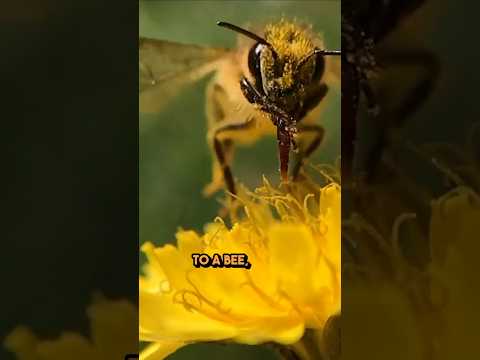
Bees see the world in a way that’s honestly pretty wild compared to humans. Their eyes pick up colors and light that lead them right to flowers with nectar.
That’s a big part of why certain colors either attract or push bees away. Visual cues like ultraviolet light, specific color wavelengths, and even floral scents all play a role in their choices.
Ultraviolet Light and Bee Perception
Bees can actually see ultraviolet (UV) light, which is totally invisible to us. Lots of flowers have UV patterns that work like landing strips, guiding bees straight to the nectar.
Sometimes, a flower looks boring to you but glows with UV marks that bees can’t resist. These patterns help pollinators find the good stuff quickly, making your garden a bee hotspot.
Since you can’t see UV light, picking plants with UV-reflective flowers can help local bees and even beekeepers by drawing in more pollinators.
Why Bees Avoid Certain Wavelengths
Bees struggle with long wavelengths like red and orange. Colors in this range just don’t pop for them, so they usually skip over red flowers unless those flowers have strong UV patterns.
Dark colors like black, dark blue, or purple can turn bees away because they don’t reflect light well, or sometimes they just remind bees of predators.
If you want fewer bees around, wearing or planting these colors might do the trick.
On the flip side, bright colors like white, yellow, purple, and blue really attract bees. These colors signal nectar-rich flowers, so if you’re hoping for a bee-friendly garden, these are your go-to shades.
The Role of Floral Scents and Patterns
Bees don’t just rely on their eyesight. Scents like lavender, eucalyptus, mint, and citronella either attract them or keep them away.
These smells let bees know if a flower has nectar or if it’s a safe spot. I’ve noticed that patterns and fragrance usually team up—flowers with bold scents and clear UV patterns seem way more tempting to bees.
Wasps and other insects? They might go for something else entirely. So, scent actually helps you control which bugs end up in your garden.
If you want to avoid stings but still help pollinators, try using plants with certain scents. That way, you can support local bees and keep your garden a little more comfortable for yourself.


