
If you want to avoid bees, what you wear really does matter—maybe more than you’d guess.
Wearing light colors like white or pale shades helps keep bees from noticing you. These colors just don’t grab their attention, which means you can stay calmer and safer if you’re around them.
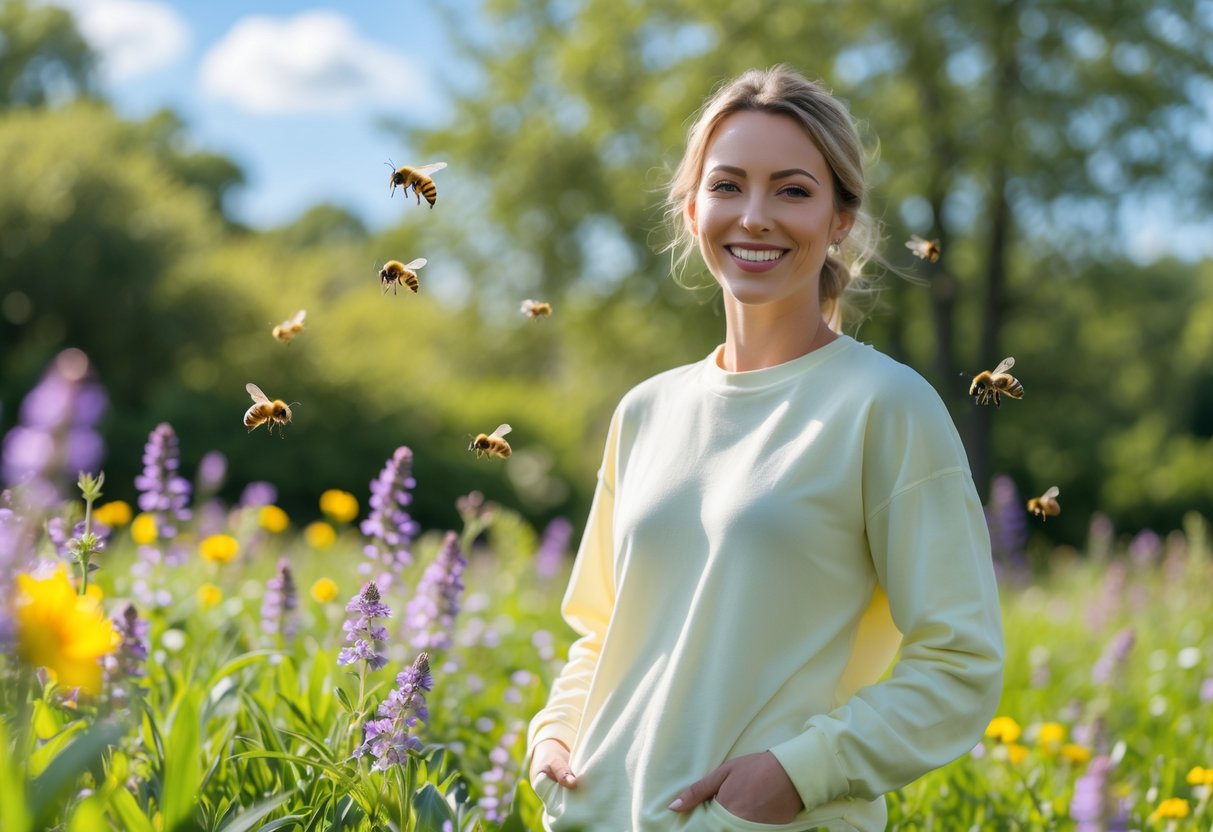
When you wear darker colors like black, brown, red, or orange, bees might get more curious or even a bit aggressive. Bees sometimes see these shades as threats.
If you’re heading outdoors where bees are flying around, it’s smart to pick your outfit carefully and avoid those stings.
You might wonder why bees care about color at all. Understanding how bees see color can help you plan for outdoor time.
You’ll see why some shades are safer and get a few tips on dressing comfortably—without drawing extra attention from buzzing insects.
Best Colors to Wear to Avoid Attracting Bees
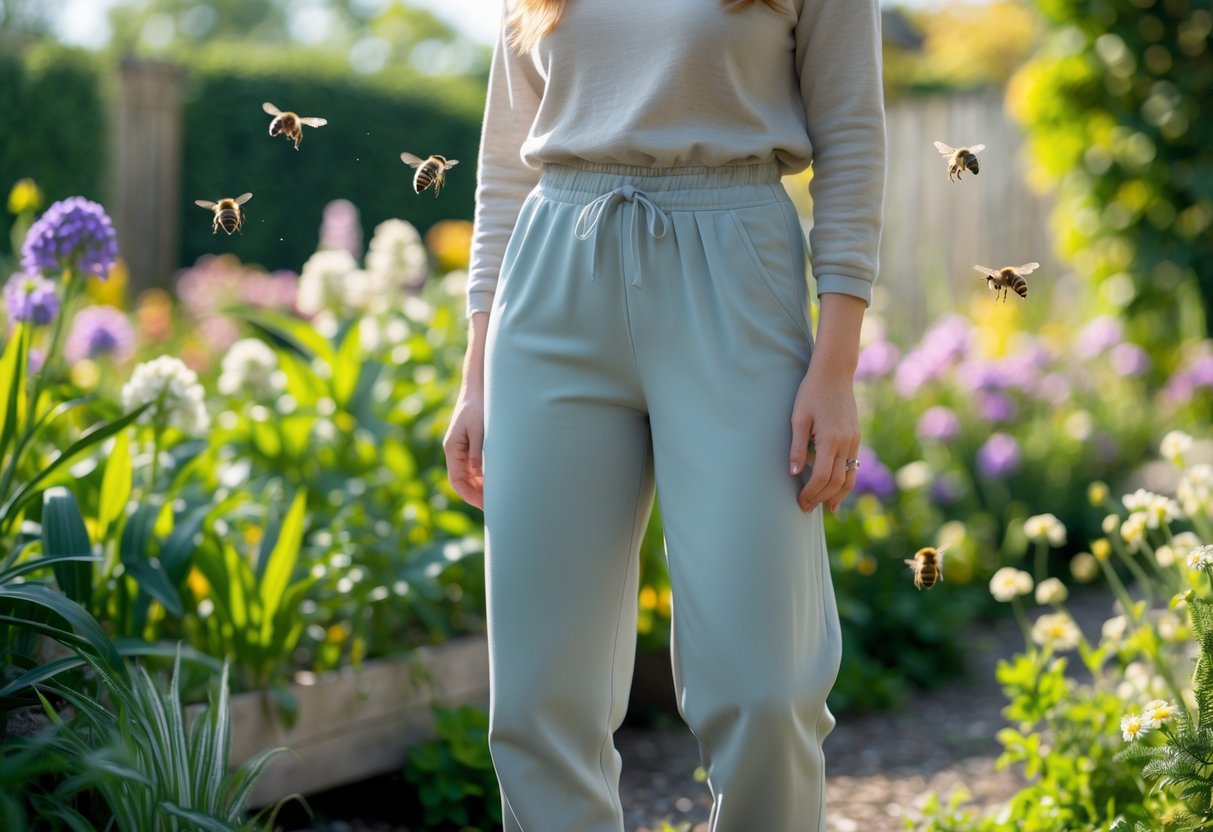
Picking the right color can make a difference in how bees act around you.
Some colors spark their curiosity, while others barely register.
Wearing the right shades lowers your chances of running into trouble with bees during outdoor plans.
Why White Clothing Is Recommended
White clothing is usually the safest option if you want to avoid bees.
Bees see white as neutral, so they’re less likely to notice or approach you.
That’s why most bee suits are white—it keeps bees calm and less defensive.
When you wear white, you blend in better with the background.
Bees don’t connect white with nectar-rich flowers, so they mostly ignore you.
This means you’re less likely to get stung because your clothes don’t attract them.
Benefits of Light-Colored Clothing
Light colors like pale yellow, tan, or light gray also work well.
These shades don’t remind bees of flowers, so you won’t stand out as much.
They’re a good pick if you want to avoid attention from bees.
Light colors reflect sunlight, which keeps you cooler on hot days.
That’s a bonus if you’re hiking or gardening and want to avoid bee stings.
If you pair light clothes with no strong scents, you get extra protection.
Avoiding Yellow, Blue, and Bright Hues
Try not to wear bright colors like yellow, blue, purple, or violet.
Bees link these colors to flowers with nectar, so they might come closer.
That just ups your risk of getting stung.
Bright shades can act like a beacon for bees.
Red and orange are a bit tricky—bees don’t see red well, but they react to orange and dark colors like black or brown.
If you steer clear of these shades, you’ll dodge more bee attention.
For more details on which colors to skip, check out this guide on what colors not to wear around bees.
How Color Influences Bee Behavior and Attraction

Bees react to colors in ways that might surprise you.
Some shades make them curious, while others put them on the defensive.
If you know what attracts or repels bees, you can make better choices for what to wear outdoors.
Dark Colors as Threats to Bees
Dark colors like black, dark blue, and brown can make bees feel threatened.
These shades remind bees of animals that hunt them, like bears or skunks.
When you wear dark clothes, bees may get defensive and sting more easily.
You’ll notice most bee suits are white or light-colored for a reason.
Wearing light shades like white, beige, or pale yellow helps you avoid drawing attention from bees and wasps.
If you want to keep bees calm, skip the dark clothes.
Understanding Bee Vision and Ultraviolet Light
Bees see colors differently from us because they can detect ultraviolet (UV) light.
Flowers use UV patterns to guide bees to nectar, which helps bees find food fast.
Colors that reflect UV light attract bees more.
Yellow and blue stand out to them, but red and black don’t.
When you’re picking clothes to avoid bees, skip bright colors that reflect UV and stick with shades that blend in.
Red Clothing and Its Effect on Bees
You might think red is a bold color, but bees don’t see red very well.
To them, red looks more like a dark color or even black.
Wearing red can make you seem like a threat, just like wearing dark clothes.
That could make bees more defensive.
It’s better to avoid red or dark shades if you’re hoping to keep bees away.
Stick to light and pale colors—they’re just safer.
The Role of Flower Shape and Pollinators
Bees don’t just care about color—they notice flower shape, too. Some flowers basically send out invitations to certain pollinators based on their form.
Take tubular-shaped flowers, for example. Hummingbirds love those, while bees seem to prefer open, flat flowers since they’re a breeze to land on.
If you’re hoping to keep bees at bay when you’re outside, watch out for floral patterns on your clothes. Those designs can trick bees because they look a lot like real flowers.
Wearing simple, solid colors without any floral prints? That usually makes you less interesting to bees and other pollinators.


