
Trying to keep bees away from your yard or patio? You’ve got a few easy options that actually work. Scents like citronella, vinegar, and cinnamon can help keep bees at bay without hurting them. These smells tend to make bees steer clear, so you can relax outside without all that buzzing.

If you love picnics or just hanging out on your porch, knowing how to keep bees away makes things more comfortable. Natural stuff like bee-repelling plants or a quick vinegar spray can stop bees from crowding your space.
You don’t need harsh chemicals or weird traps for this. Just place natural repellents in the right spots, and you’ll keep your outdoor area bee-free. Honestly, it’s a win-win—you get peace, and the bees get to do their thing somewhere else.
For more ideas, maybe check out what you can put out to keep bees away naturally.
Best Ways to Keep Bees Away
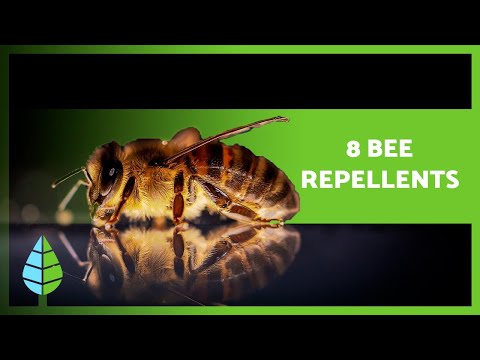
You can use certain plants, scents, and natural repellents bees dislike. These tricks help you create a space bees avoid, so you can actually enjoy your yard.
Using Peppermint, Basil, and Other Natural Bee Repellents
Peppermint and basil work surprisingly well as bee repellents. Bees just don’t like the strong smell of peppermint oil.
Try placing peppermint plants or using a peppermint oil spray around your patio. It’s simple, and it smells pretty good to most people.
Basil is another solid option. Keep a few pots near your door or favorite chair. It’s easy to care for and you can use it in your cooking too.
Eucalyptus and lemongrass also help. These plants give off scents bees tend to avoid. If you plant them around your garden, you’ll create a gentle barrier without any chemicals.
Scents That Deter Bees: Cinnamon, Garlic, and Citronella
Cinnamon is one of the easiest things to use. Just sprinkle some cinnamon powder or burn a stick outside, and bees will usually move along.
Garlic does the trick too. Crush a few cloves and leave them out, or mix crushed garlic with water for a spray. It’s not fancy, but it works.
Citronella is a classic for a reason. Burning citronella candles or growing citronella grass gives you a scent barrier that keeps bees (and mosquitoes) away.
Repellent Plants and Flowers: What to Grow and What to Avoid
Some plants naturally keep bees away, while others pull them in. If you want fewer bees, pick flowers that repel them.
Here are a few plants that help:
- Marigolds
- Nasturtiums
- Poppies
- Black-eyed Susans
- Zinnia
On the flip side, flowers like lavender, honeysuckle, sunflowers, and lilacs draw bees in because they’re packed with nectar and pollen. Try not to plant these right next to your patio or picnic spot.
Mixing repellent plants and strong-smelling herbs gives you a natural shield. Plus, it looks nice.
Other Natural and Practical Approaches for Bee Deterrence

A few simple changes around your home can make a big difference. Smoke and certain oils work well, and tweaking your garden setup helps too.
Protecting Outdoor Spaces With Smoke and Essential Oils
Smoke is a gentle way to nudge bees away. It covers up the scents bees use to talk to each other, which usually makes them leave.
Try a small smoker or burn some pine needles or dry leaves. Just watch out for fire hazards.
Essential oils like citronella, eucalyptus, and peppermint are also good options. Mix a few drops with water and spray it around your porch or garden. You’ll probably need to reapply after rain or every day for the best results.
Home and Garden Modifications to Reduce Bee Attraction
Tweaking your garden can help keep bees at a distance. Bees love bright flowers, so plant less-attractive ones like marigolds or mint near your doors.
Pick up fallen fruit and clean up sugary spills to make your space less appealing to bees.
You can use screens, netting, or citronella candles to block bees from your favorite spots. If you spot a hive nearby, it’s safer to call a beekeeper instead of trying to handle it yourself.
Understanding How Bee Species, Pollination, and Flower Choices Affect Results
Different bee species act in their own unique ways. Honeybees usually go for flowers packed with nectar.
Bumblebees prefer wider, open flowers. If you know this, you can pick plants that don’t attract the bees you’d rather avoid.
Bees visit most gardens because they’re after pollination. When you choose plants that bloom less or don’t offer much nectar, bees just aren’t as interested.
You might want to skip bright yellows and blues too—those colors seem to pull bees in.
If you pay attention to what bees like or ignore, you can tweak your setup and keep bees away naturally. It doesn’t harm them, and it’s a pretty smart move.
Looking for more ideas? Check out this guide on natural bee deterrents.


