
So you’ve spotted bees buzzing around your place? That’s not just a coincidence. Bees usually show up because something nearby has caught their attention.
Bees come to your home mainly because they find food, water, or safe spots to rest or build nests. Flowers, sugary drinks, and even small gaps in your walls or chimney can act like magnets for these busy little creatures.

Your garden or yard might invite bees in ways you haven’t noticed. Bright colors, sunflowers, wildflowers, and standing water all draw them closer.
If you figure out what’s attracting them, you can decide whether you want to live alongside these pollinators or gently encourage them to move along. Here’s what brings bees to your house—and what you can do about it.
Key Reasons Bees Are Attracted Around Your House

Bees keep coming back to certain things around your home. They’re looking for food, water, or safe places to settle.
Nectar-Rich Flowers and Flowering Plants
Bees actively seek out flowers loaded with nectar and pollen. If your garden has sunflowers, lavender, marigolds, rosemary, or thyme, you’ve basically rolled out the welcome mat for them.
These plants give bees the food they need to thrive—and help them pollinate as they go. When you plant a lot of flowers near your house, bees don’t have to travel far for a snack.
If you grow flowers that bloom at different times, you’ll probably see bees visiting all season long. Want more bees? Stick with nectar-rich flowers.
Water Sources Near the Home
Bees need water to drink and cool down their hives. If you’ve got a bird bath, pond, fountain, or even just puddles, bees will stop by for a sip.
Even tiny amounts of water can bring in bees, especially when it’s dry out. Water that collects in buckets or flowerpots is just as tempting.
Clean water sources might keep other pests away, but bees will still show up. You’ll probably spot more bees hanging around these spots during the hottest part of the day.
Sweet Substances and Food Waste
Bees can’t resist sweet stuff like sugary drinks, juice spills, or leftover desserts. If you leave your trash uncovered or let fruit rot outside, bees will find it.
Strong sweet smells pull bees in fast. Trash bins, compost piles, and outdoor eating areas become popular bee hangouts.
If you want fewer bees, clean up spills quickly and keep your garbage covered. Try not to leave sugary drinks sitting outside.
Potential Nesting Sites
Bees search for safe places to build their nests. Openings in your walls, attic, or even gaps in fences can look perfect to them.
If you spot bees hanging out in the same place for a few days, they might be building a hive. Attics and hidden corners make easy nesting spots.
Seal up cracks and block off access points to keep bees from moving in. If you find a hive, you’ll probably need a pro to remove it safely.
Simple Strategies to Prevent Bees From Gathering at Home
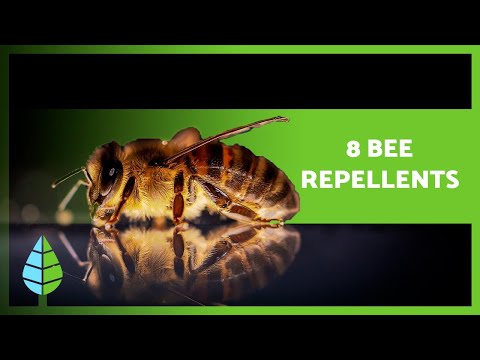
You can make your place less appealing to bees by changing up your plants, cutting down on sweet smells, and closing off entry points. A few small tweaks can keep bees from sticking around without harming them.
Reducing Attractive Plants and Water Features
Bees love flowers and water. To cut down on visits, avoid planting too many bright flowers, especially right next to your house.
Marigolds might keep some bugs away, but most bright flowers will just bring in more bees. Go for plants that don’t bloom much or don’t have strong scents.
Water draws bees, too. Fix leaky hoses, cover birdbaths, and dump out standing water often.
If you use fountains, pick ones with moving water—bees prefer still water, so this can help. Controlling these spots makes your yard less interesting to them.
Eliminating Sweet Smells and Controlling Trash
Bees go straight for sweet smells—fruit, honey, and citrus are big ones. Keep your kitchen, porch, and outdoor tables clean, and store fruit and sugary drinks inside.
Seal up your trash bins and empty them often. Don’t leave open bottles of juice or soda outside, since these attract bees fast.
If you use scented lotions or candles outside, try to avoid sweet scents, since those can bring bees closer, too.
Blocking Entry Points and Addressing Nesting Areas
Check your house for cracks, open vents, and gaps around windows or chimneys. Bees slip through small spaces, so seal them up with caulk or mesh.
Look for signs of nests under the eaves or in wall spaces. If you spot an active hive, call a professional for safe removal. Taking care of these spots early keeps bees from settling in.
Natural Deterrents and Bee Repellent Methods
Natural repellents like lemongrass actually work pretty well for keeping bees away without hurting them. If you plant lemongrass near your doors or windows, you’ll notice it creates a scent barrier that bees just don’t enjoy.
I’ve also tried mixing up homemade sprays with water and a few drops of essential oils—peppermint or eucalyptus tend to do the trick. Skip the harsh chemicals; they can mess with other good bugs you probably want around.
If you use bee repellents the right way, your home feels less like a hangout spot for bees. That way, they stick to natural spaces and do what they do best—help flowers thrive.


