
Bees often show up around your home because they spot food, water, or cozy spots to rest or nest nearby. Flowers, water sources, and little entry points like cracks or gaps in your house tend to draw them in.
If you catch bees buzzing around, chances are your yard offers what they’re after.

You’ll probably see bees hovering near bright flowers or plants, especially those loaded with nectar and pollen. They’re not picky—they’ll check out standing water or sugary leftovers like fruit or spilled drinks, too.
Knowing what brings bees close lets you figure out how to welcome them safely or, if you’d rather, how to keep them out.
Watch for small holes, cracks in walls, or open vents—these can explain why bees find their way inside. Curious why bees love your place or want to handle them better? There’s plenty more below.
Main Reasons Bees Are Attracted to Your House

Bees hang around your home when they spot food, water, or safe shelter. If you’re seeing more bees lately, they’re probably finding something they like nearby.
Flowers, Flowering Plants, and Gardens
Bees go wild for flowers because they collect nectar and pollen. Plants like lavender, sunflowers, marigolds, rosemary, and thyme seem to be their favorites.
Even if you’ve just got a small patch of blooms, bees will find it. They visit for food, but they also help pollinate, which is great for your garden.
Sweet Substances and Food Sources
Bees can’t resist sweet stuff like soda, fruit juice, and sugary snacks. Leaving these out or tossing sweet garbage in open bins brings them in fast.
They’ll also sniff out food scraps or sticky picnic tables. If you clean up spills and keep trash bins covered, you’ll see fewer bees hanging around.
Water Sources Around the Home
Bees need water, especially when it’s hot. Bird baths, fountains, ponds, or even puddles catch their attention.
Try to keep your water sources clean. Moving water, like in a fountain, doesn’t attract bees as much as still water does.
Shelter, Nesting Sites, and Entry Points
Bees look for warm, sheltered places to nest. Small openings around your home—vents, cracks, or chimneys—make perfect entryways.
They’ll sometimes move into attics, wall spaces, or hollow fences if you leave these unchecked. Sealing up holes and adding screens to vents or chimneys can keep them out and cut down on bee problems.
How to Discourage Bees and Prevent Infestations
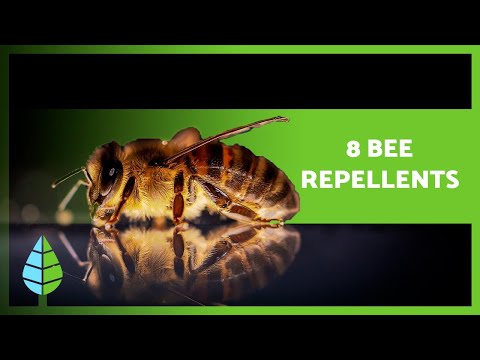
You can keep bees away by controlling the things that attract them and blocking their way into your house. Using natural repellents or planting certain herbs helps too.
These steps make it less likely that bees will set up shop in your attic or walls.
Limiting Attractants in Your Yard
Bees love flowers, sweet smells, and food. If you can, plant fruit trees and colorful flowers farther from your house.
Pick up fallen fruit and clean up any sticky spills right away. Don’t plant big flower beds right next to your doors or windows.
Try putting gardens on the far side of your yard instead. This way, you can still enjoy bees in your garden without having them at your doorstep.
Keep garbage bins sealed and away from your house. If you use citrus cleaners, make sure to rinse the area well since bees like citrus scents.
Sealing Entry Points and Reducing Shelter
Check for cracks, gaps by windows, vents, chimneys, and attic openings—bees can squeeze through tiny spaces. Use caulk or weather stripping to close these up.
Keep attics and crawl spaces in good shape and sealed tight. If you spot old beehives, get rid of them early to avoid bigger problems.
Fixing hollow walls and other nooks makes it harder for bees to move in. If you see bees starting to gather, don’t wait. Taking care of it early is way easier than dealing with a big infestation later.
Natural Bee Repellents and Plant Choices
Some plants just seem to keep bees away on their own. If you plant rosemary, thyme, or lemongrass near your doors and windows, you’ll probably notice fewer bees buzzing around.
These herbs give off scents that bees really don’t like.
Marigolds work too. Their smell tends to send bees packing, but they’re still totally safe for your garden.
If you want something a bit more direct, try making a spray from essential oils—think lemon or eucalyptus. Spritz it on your outdoor furniture or around entryways.
Skip the harsh chemicals, though. It’s better for the helpful pollinators, and you still keep bees from making themselves at home.


