
Want to avoid getting stung by a bee? The main thing is to stay calm, skip quick movements, and stick with light, smooth clothing.
Bees seem to love bright colors and strong scents, so if you keep those to a minimum, you’ll probably have a better time outside.

Paying attention to where bees hang out matters, too.
Try to steer clear of blooming flowers or buzzing hives, and if you spot bees nearby, just give them space.
Closed shoes and long pants keep your feet and legs safer—those spots get stung more than you’d think.
If a bee comes close, what should you do? Don’t flail your arms or swat at it—bees get defensive fast.
Just move away slowly and calmly, and you’ll probably be fine.
If you want more ideas, there are lots of ways to avoid bee stings in different situations.
Essential Strategies to Avoid Getting Stung by a Bee
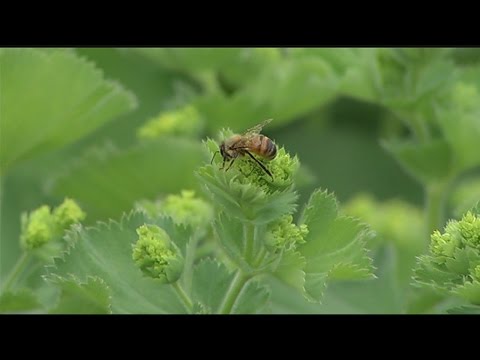
You can avoid bee stings with a few simple steps every time you head outdoors.
It helps to know how bees and wasps act, what to wear, how to keep your cool, and how to avoid nests.
Understanding Bee and Wasp Behavior
Bees and wasps usually sting when they feel threatened.
They want to protect their nest or themselves, and that’s about it.
Bees mostly focus on collecting pollen and nectar, so if you don’t bother them, they’ll probably ignore you.
Wasps, though, get a bit more aggressive, especially late in summer.
If you get too close to food or sweet drinks, they might sting.
When you swat at a bee or wasp, you make it feel threatened, and that’s when it might sting.
Just move away slowly instead.
Dressing Correctly for Outdoor Activities
Wearing the right clothes can really help you avoid stings.
Skip bright colors like yellow, red, or floral prints—bees seem drawn to those.
Try light, neutral colors instead, like white, beige, or gray.
Long sleeves and pants cover your skin, so bees or wasps have fewer places to land or sting.
Don’t use strong perfumes, scented lotions, or hair products if you’re heading outside.
Closed shoes work better than sandals.
Keep your clothes smooth and fitted enough so bees can’t crawl inside.
Tips for Staying Calm Around Bees
Bees pick up on fear and fast movements, which might make them nervous.
If you see a bee, try to stay calm and skip sudden moves.
Just stand still or gently back away.
Swatting at a bee almost always makes things worse.
If a bee lands on you, try waiting for it to fly away instead of brushing it off.
Breathe steadily and focus on staying relaxed.
The calmer you act, the less likely a bee will see you as a problem.
How to Safely Avoid Nests and Hives
If you want to avoid stings, keep away from bee and wasp nests.
You’ll often find nests in hollow trees, under eaves, or inside walls.
If you spot one, stay at least 10 feet away.
Don’t try to move it yourself—leave that to the pros with the right gear.
Walking too close can make bees or wasps defensive.
When you’re hiking or gardening, watch where you step or put your hands.
At night, use a flashlight to check for insects near nests before you get close.
Staying alert helps you avoid disturbing them.
If you want more advice, experts have plenty of tips for avoiding bee stings during outdoor activities and gardening.
Protective Measures and Special Considerations

To dodge bee or wasp stings, use products carefully, limit what attracts them, and know what to do if you’re allergic.
These steps help you stay safer, whether you’re out in the yard or near hives.
Using Insect Repellents Safely
No repellent really keeps bees and wasps away for sure.
Unlike mosquitoes, they don’t care much about sprays or lotions.
Instead, focus on wearing long sleeves and pants if you’re in an area with lots of insects.
If you’re a beekeeper, always throw on proper gear—a full bee suit, gloves, and a veil.
That’s what keeps you safe during hive checks.
Skip using strong sprays near flowers or plants, since bees go to those spots anyway.
Physical barriers and careful habits work better than chemical repellents for lowering your risk.
Reducing Attractants and Risk Factors
Bees and wasps love sweet smells.
Don’t wear perfumes, scented lotions, or hair products if you’ll be outside.
Bright colors and floral patterns attract them, so stick to light, plain clothes.
Don’t leave open food or sugary drinks outside.
Cover your drinks and clean up spills fast.
If you see a nest or hive near your home, don’t mess with it—call a pro for removal if you need to.
Stay calm if bees or wasps are around.
Sudden moves or swatting can provoke them.
Walk slowly and keep noise down to avoid drawing their attention.
Recognizing and Preparing for Anaphylaxis
If you know you’re allergic to bee stings, it’s smart to get ready for a serious reaction called anaphylaxis. This kind of reaction can make it hard to breathe, cause swelling, or leave you dizzy.
You need to get medical help right away if this happens. If your doctor prescribed an epinephrine auto-injector (like an EpiPen), keep it with you at all times.
Try to spot early warning signs, like hives, a tight throat, or even just feeling faint. Honestly, it helps a lot if your family and friends know how to use your EpiPen too—just in case you can’t do it yourself.
Not sure if you have allergies? Have a chat with your doctor. Being prepared and getting help quickly can really make a difference if you get stung.


