
You’ll spot seahorses (Hippocampus) clinging to seagrass or coral and probably wonder what tiny meals keep them going. They mainly eat small crustaceans: copepods, amphipods, and mysid shrimp—tiny prey they suck up with their tube-like snouts. That’s pretty much what fuels their slow, steady lives.

If you stick around, you’ll see how these three foods fit into a seahorse’s world and why their eating style matters for survival and health. I’ll throw in some simple tips about where these foods hang out and how seahorses catch them, so you can really picture their feeding habits.
The Three Main Foods Seahorses Eat

Seahorses live on tiny, moving prey that usually show up near seagrass, coral, and sandy bottoms. These foods are small crustaceans and zooplankton—perfect for a seahorse’s fast metabolism and small, toothless snout.
Copepods: The Essential Tiny Crustaceans
Copepods are tiny, ranging from microscopic up to a few millimeters long, and they make up a huge part of a seahorse’s diet. You’ll often spot them drifting through the water as zooplankton or hiding on plants.
Seahorse fry and small species really depend on copepods because they fit so easily into the seahorse’s snout. Copepods pack a lot of lipids and protein for their size. They dart around in short bursts, which lets seahorses sneak up and suck them in with those funny tubular mouths.
Aquarium keepers use live copepods to help wild-caught seahorses get used to captive diets, since the size and movement match what they’d eat in the wild. If you’re caring for seahorses, it’s a good idea to supply a steady batch of copepods or similar live foods, especially for young or small seahorses that need to eat often.
Amphipods: Nutritious Bites for Adult Seahorses
Amphipods are a bit bigger than copepods and pack more calories per bite, so they’re pretty important for growing juveniles and adults. You’ll find amphipods crawling around on algae, seagrass, and rocks—prime spots for seahorses to pick them off.
These crustaceans come in all sorts of small beach and reef species, so larger seahorses can go after the bigger ones. Amphipods are rich in chitin and protein, which helps with muscle and tissue repair.
Seahorses use stealth and their prehensile tails to hover close, then snap up amphipods right into their mouths. In captivity, you can offer frozen or live amphipods, but honestly, most seahorses go for the live ones because they move and smell like the real deal.
Mysid Shrimp: Protein-Packed Prey
Mysid shrimp—people often just call them mysis shrimp—are a favorite food for a lot of seahorse species. They swim in little schools and have the right size and texture for adult seahorses to grab regularly.
Mysids give a strong protein boost, which helps breeding males, females carrying eggs, and fast-growing juveniles. They’re kind of like krill and brine shrimp in terms of nutrition, but they’re usually bigger and more energy-dense.
Wild seahorses love mysids, and aquarists often serve up frozen mysis shrimp as a main food since they hold onto nutrients well if you prep them right. If you keep seahorses, feed mysids a few times a day and mix in copepods and amphipods for a balanced diet across different ages and species.
How Seahorses Eat and Thrive
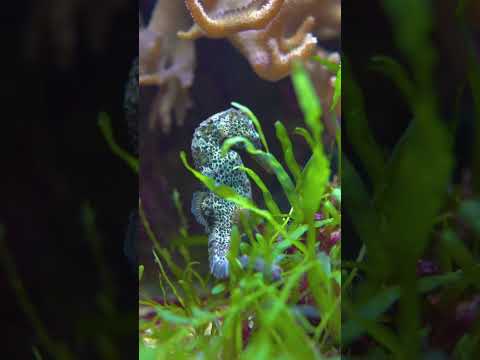
Seahorses eat tiny crustaceans and plankton. They use their long tubular snout to suck in food and grip seagrass or coral with their prehensile tail.
Their feeding method, life stage, and threats like habitat loss shape what and how often they need to eat.
Unique Feeding Habits and Techniques
Seahorses don’t chase prey. Instead, they act as ambush predators, staying still and blending in until copepods, mysid shrimp, or tiny amphipods drift close.
They create a quick vacuum with their snout and suck prey straight in. Since seahorses aren’t great swimmers, they rely on stealth and lots of small meals instead of long hunts.
They use their tails to anchor to seagrass or coral so they don’t drift away while waiting. In aquariums, you should offer live food like grass shrimp or ghost shrimp to encourage natural feeding.
Frozen food works too, but you’ve got to supplement with live stuff to keep them healthy and active.
Diet Differences by Life Stage and Habitat
Baby seahorses (seahorse fry) eat much smaller prey than adults do. Fry mostly feed on rotifers and tiny copepods until they’re big enough for mysid shrimp.
Juveniles may need hundreds or even thousands of tiny bites every day to grow. Adults move on to larger plankton and small crustaceans.
Seahorses living in dense seagrass beds might eat more benthic amphipods and grass shrimp, while those on coral reefs go for plankton and swarming mysids. If you’re keeping seahorses, try to match prey size to their life stage and habitat—tiny live foods for fry, bigger mysids or ghost shrimp for adults.
Challenges to Seahorse Nutrition in the Wild
Wild seahorses deal with all sorts of threats that mess with their food supply. When seagrass beds and coral reefs disappear, seahorses lose their anchor points, and the numbers of copepods and mysids drop.
Pollution creeps in, and overfishing makes prey even scarcer. It’s honestly a tough world out there for these little guys.
Bad water quality and stress often lead to health problems like gas bubble disease. Sometimes, seahorses just stop eating altogether.
In captivity, seahorses really need stable water and a steady stream of live food. If they don’t get it, malnutrition sets in pretty quickly.


