
You might picture seahorses drifting peacefully in seagrass, but plenty of creatures hunt them down for a meal. Crabs, bigger fish, and sharp-eyed seabirds spot and grab them in shallow water.

Let’s dig into how these predators track down and eat seahorses, why seahorses struggle to avoid danger, and whether camouflage does much for them.
Stick around to find out what really threatens these quirky, slow-moving fish.
Main Predators of Seahorses
Plenty of animals out there crush, swallow, or snatch seahorses from above. Most predators move fast or have tough jaws and claws, and they usually go after seahorses when they’re young or out in the open.
Crabs: The Greatest Threat
Crabs and other crustaceans pose a huge risk to seahorses, especially the little ones. Crabs use those tough pincers to grab and break apart a seahorse’s bony plates.
Opportunistic species like blue crabs and big shore crabs search seagrass and mudflats where seahorses try to hide. Juvenile seahorses, in particular, can’t anchor themselves well and just don’t have the size to fight back.
Crabs reach into seagrass clumps and yank seahorses loose. On top of that, discarded fishing gear and damaged habitats push seahorses into crab-heavy areas, making things even worse.
Fish Species That Prey on Seahorses
Bigger fish love to eat seahorses. Groupers, snappers, tuna, and triggerfish all make the list.
These fish either gulp seahorses whole or bite off chunks, and they hunt in the same shallow coastal waters and reefs where seahorses hang out. Fast-swimming fish like tuna snatch up seahorses drifting in open water.
Reef predators—think groupers and snappers—root around seagrass beds and coral edges. Camouflage helps a bit, but it can’t stop a fish with a sharp jaw or one that pokes through cover.
Stingrays and Manta Rays
Stingrays sometimes eat seahorses, especially the bottom-feeding types. Rays sweep the seabed or sift through sand, stirring up seagrass and exposing hidden seahorses.
Their wide mouths make it easy to swallow small animals in one go. Manta rays don’t really bother with seahorses since they stick to plankton, but smaller rays might grab one if it’s there.
If seahorses live on sandy flats or near reefs, stingrays become a bigger threat than in thick seagrass.
Seabirds and Occasional Avian Predators
Seabirds like herons, egrets, and kingfishers hunt seahorses in shallow water and tidal pools. Birds spot movement from above, then dart down and snatch seahorses with sharp beaks.
A seahorse clinging near the surface is easy pickings. Shorebirds and waders hunt at low tide, when seahorses get stranded in shallower water.
Camouflage works from below, but not against a bird’s keen eyesight and quick strike.
Seahorse Vulnerability and Survival

Seahorses depend on camouflage, clinging to plants, and living in certain habitats to make it. Their bony armor, nearby seagrass or mangroves, and a diet of tiny prey all shape how much danger they face from crabs and bigger fish.
How Camouflage and Bony Bodies Help
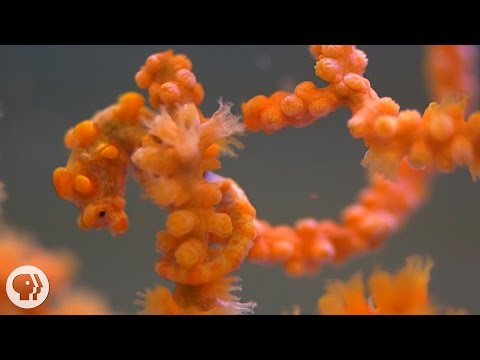
You’ll only notice a seahorse if it moves or its color doesn’t quite match the background. Seahorses change color and grow little skin filaments to blend in with algae and seagrass.
When they cling to stems, they’re tough for birds and fish to spot. Their bodies come covered in bony plates, not scales.
These plates help against crabs that try to crush them, but a strong crab claw or big fish bite still gets through. Camouflage does most of the work; the armor is just a backup.
If the water gets murky, camouflage fails more often. That means hunting fish, rays, or seabirds find seahorses more easily.
How well a seahorse survives depends on how closely it matches the nearby plants or roots.
The Role of Habitat in Predator Risk
Where a seahorse lives makes a huge difference. Seagrass beds, mangroves, and shallow coral edges give hiding places and plenty of tiny food.
These spots help seahorses avoid open-water predators like tuna. If seagrass gets cut by trawling or choked by pollution, hiding places disappear fast.
That pushes seahorses into open areas where bigger fish and birds hunt. Building on coasts and cutting down mangroves causes the same trouble.
Healthy algae and seagrass mean more food for seahorses and better places to blend in. Restoring these habitats lets seahorses cling to real cover instead of drifting in the open, and that cuts down on run-ins with crabs and predators.
Juvenile Seahorses and Increased Danger
Baby seahorses face the highest risk. Right after the father releases them from his pouch, these tiny juveniles drift in plankton-filled water.
You’ll usually spot them near the surface, hanging out among plankton. Unfortunately, predatory shrimp, little fish, and crabs pick them off pretty easily.
Juveniles don’t have the full coloration or those wispy filaments that adult seahorses use to blend in. Their bony plates stay thin at this age.
Crabs and shrimp, with their sharp claws, find these youngsters especially easy to catch. It’s kind of brutal, honestly.
Since juveniles really need safe nursery spots, losing seagrass beds and mangrove roots hurts them the most. If we protect shallow bays and restore algae-rich patches, more young seahorses make it to adulthood.
That way, they stand a better chance against all the hungry predators lurking in the plankton and tangled roots.


