
Rabbits are fascinating creatures that come in many shapes, sizes, and colors. They’re not just adorable pets; they have some amazing features that set them apart from other animals. Rabbits use their powerful hind legs to hop, enabling them to reach impressive speeds of up to 45 miles per hour in the wild. This ability helps them escape predators and flourish in their natural habitats.
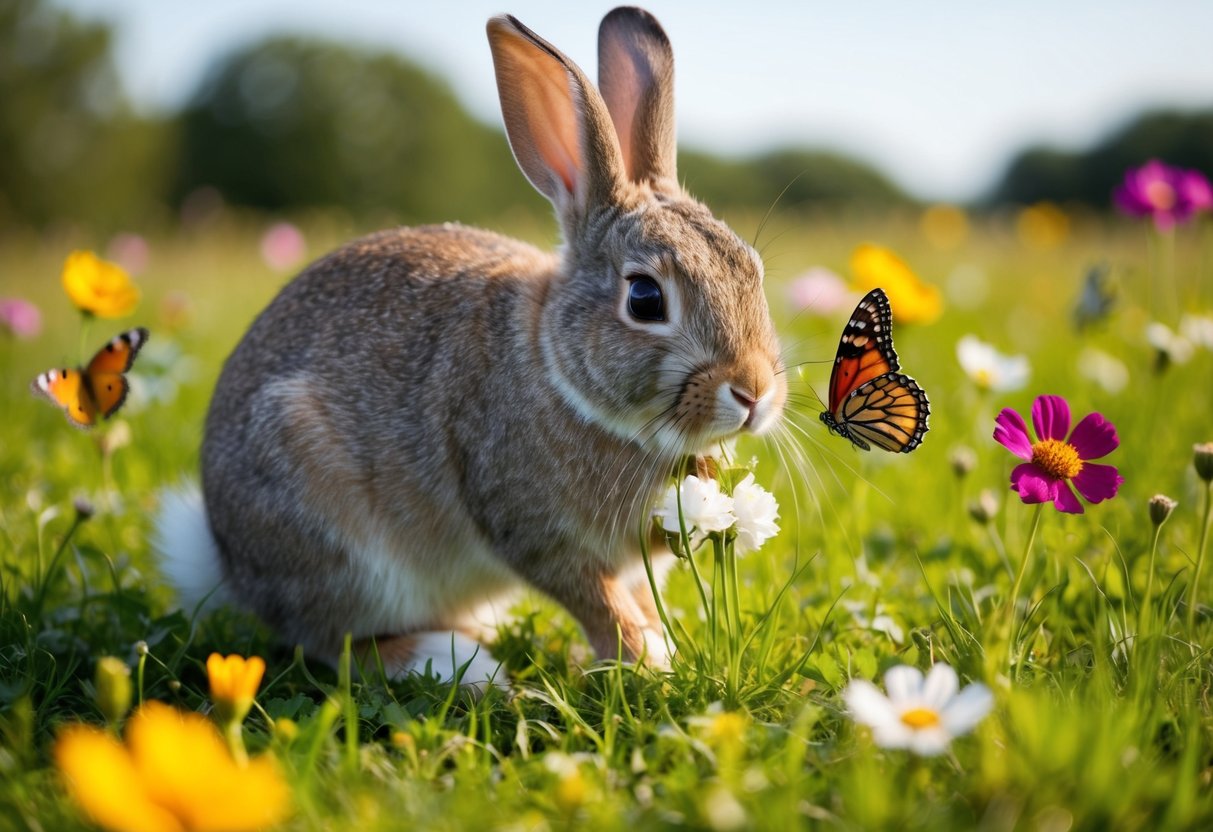
If you have a pet rabbit, you might notice its unique behaviors and traits that make it a delightful companion. Pet rabbits, just like their wild counterparts, have long ears that help them detect sounds from great distances. They are social animals and thrive in groups, which is why they can often be found interacting with other rabbits in the wild or bonding with their owners at home.
Understanding the special features of rabbits can enhance your appreciation for these small mammals. From their remarkable vision to their playful nature, there’s plenty to learn about what makes rabbits such intriguing animals. Join us as we explore their characteristics further!
Physical Characteristics and Adaptations

Rabbits have several unique physical traits that help them adapt to their environment. These features include their distinctive ears, varied fur and tail types, and powerful legs that allow for agile movements.
Distinctive Ears and Vision
One of the most recognizable features of rabbits is their long ears. These ears serve two important functions: they help regulate body temperature and enhance hearing. The ears can rotate to catch sounds from different directions.
Rabbits have large eyes positioned on the sides of their heads. This gives them a nearly 360-degree view of their surroundings. However, there is a small blind spot right in front of their nose. This unique eye placement helps them detect predators quickly, allowing them to escape danger.
Fur and Tail Variations
Rabbits are known for their soft and fluffy fur. The thickness and color can vary greatly depending on the species and their habitat. This fur not only provides warmth but also helps with camouflage.
Their tails, commonly called “cotton tails,” are usually short and fluffy. This short tail helps them maintain balance while hopping. The tail also signals other rabbits when they are scared or spooked since they raise it high to alert others.
Powerful Legs for Hopping
Rabbits are built for speed with their strong hind legs. These legs allow them to hop swiftly and leap long distances, reaching speeds of 35 to 45 miles per hour.
The hind legs are more muscular than their front legs, making them very powerful. When a rabbit feels threatened, it can quickly escape by executing fast hops in a zigzag pattern. This agility helps them avoid predators effectively.
Habitat and Social Behavior
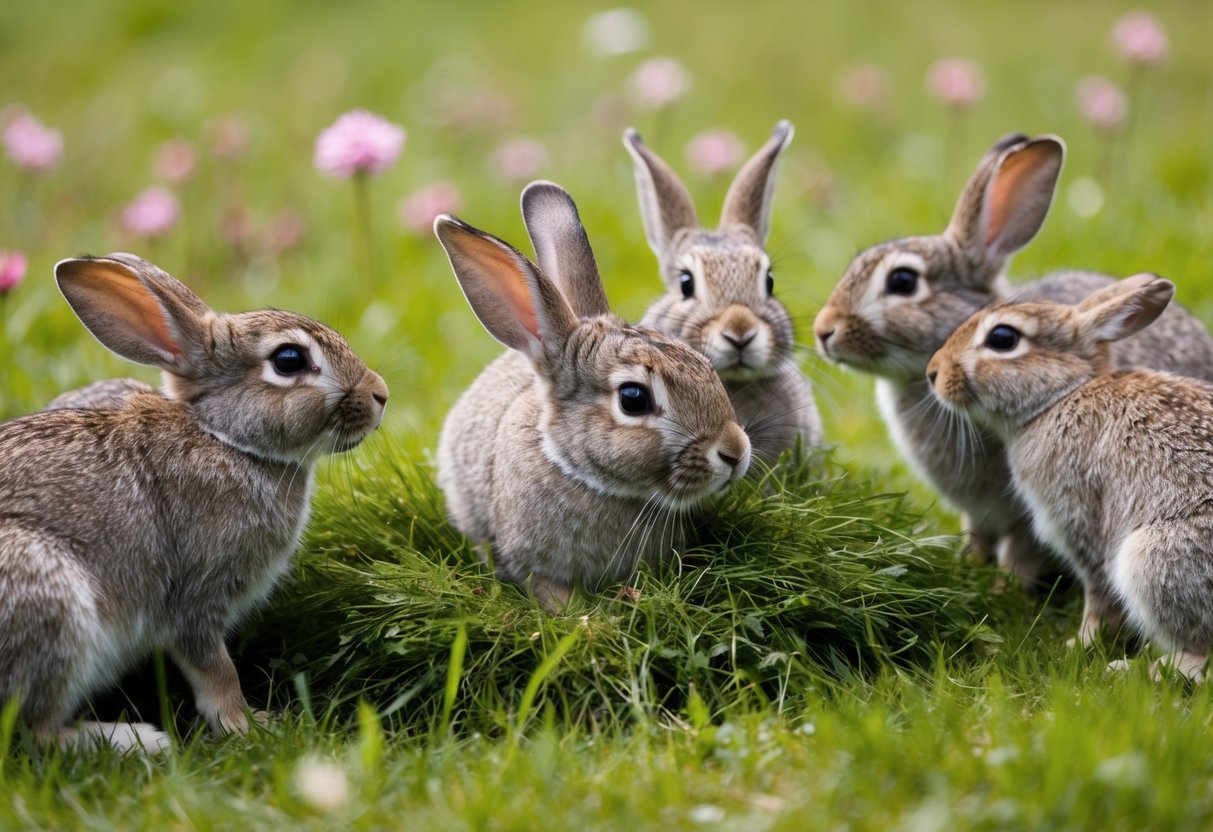
Rabbits have distinct habitats and intriguing social behaviors that play a vital role in their survival. Understanding where they live and how they interact can help you appreciate these fascinating creatures even more.
Home and Burrowing
Rabbits make their homes in varied environments, such as grasslands, woodlands, and wetlands. They build extensive systems known as warrens, which are made up of interconnected burrows and tunnels. These tunnels provide shelter and protection from predators.
Each warren can have multiple entrances, allowing rabbits to escape quickly. Within their burrows, they can raise young kits and stay safe from harsh weather. The location of a warren is crucial. It should offer decent cover and easy access to food sources like grasses and herbs.
Social Dynamics and Communication
Rabbits are highly social species and thrive in groups. They often communicate through a mix of sounds, body language, and scents. Each rabbit has scent glands that help them mark their territory and convey information to others.
Within a warren, there is often a hierarchy, typically led by a dominant male and female. The social structure affects feeding and breeding. You might see rabbits sharing food or engaging in playful behaviors, like grooming one another. These interactions are essential for maintaining bonds and promoting group harmony in their lively community.
Diet and Nutrition

A rabbit’s diet is crucial for maintaining its health. Understanding what to feed your rabbit helps ensure they get the right nutrients. Since rabbits are herbivores, they require a specific blend of foods, primarily consisting of hay, grasses, and fresh vegetables.
Feeding Habits
Rabbits thrive on a diet rich in fiber. Their main food source should be unlimited hay, which forms the foundation of their diet. You can offer various hay types, such as timothy or orchard grass, to keep things interesting.
In addition to hay, fresh vegetables are important. Leafy greens like romaine lettuce and parsley make great choices. Limit pellets to a small portion of their diet, especially for mature rabbits, as overfeeding can lead to health issues.
Importance of Fiber
Fiber is essential for your rabbit’s digestive health. It helps prevent gastrointestinal problems and keeps them healthy. Rabbits need a high-fiber diet, roughly 80% of which should come from hay.
When fiber intake is inadequate, rabbits can become ill. A lack of fiber can lead to problems like obesity or dental issues. To keep your rabbit happy and healthy, ensure they have constant access to fresh hay, and remember to introduce new vegetables slowly to avoid upsetting their stomach.
Reproduction and Lifespan

Rabbits have unique ways of reproducing and caring for their young. Their high reproductive rate and short gestation period contribute to their ability to thrive in various environments. This section covers the important aspects of rabbit breeding and the challenges their offspring face.
Breeding and Offspring Care
When you consider breeding rabbits, it’s essential to understand the roles of the doe (female) and buck (male). A female rabbit can start breeding as early as 3.5 to 4 months old, depending on the breed. The gestation period lasts about 28 to 31 days.
A typical litter, called a “kindle,” can consist of 4 to 12 kits (baby rabbits). After birth, the doe nurses her kits, providing them with the nutrients they need. You’ll find that the kits grow quickly and start eating solid food within a few weeks. It’s vital to provide a safe environment for the young rabbits, as they are vulnerable during their first few weeks of life.
Challenges for Survival
Rabbits can reproduce rapidly, but they face many challenges that can affect their survival.
Habitat loss due to urban development impacts their living spaces. In the wild, threats like predators pose significant risks to them and their young.
Additionally, diseases such as myxomatosis can decrease rabbit populations quickly. Keeping domestic rabbits healthy with proper care and vaccinations is crucial if you want them to avoid these risks.
Your responsibility includes monitoring their health and ensuring they have a safe and nurturing habitat.


