
You usually have a low chance of getting bed bugs from someone during brief, casual contact. The risk rises if their clothing, bags, coats, or other belongings carry hidden hitchhikers.
Bed bugs cannot jump or fly, so they rely on crawling and on people moving them from place to place. Your risk depends more on whether bed bugs can travel with fabric items, luggage, or furniture than on the person themselves.

When Person-To-Person Transfer Is Actually Possible

Bed bugs do not spread through the air or by touch like germs. They crawl into fabric, seams, and clutter, then ride along on items people carry.
Your exposure is tied to contact with belongings, not simple proximity.
Why Casual Contact Is Usually Low Risk
A quick hug, handshake, or brief sit beside someone does not create much risk. Bed bugs do not live on human skin and do not move from person to person the way lice do, as noted by Healthline.
The risk stays low when there is little time for a bug to crawl from one item to another.
How Clothing And Belongings Increase Exposure
Clothing, backpacks, purses, coats, and luggage provide the real pathway. Bed bugs can hide in seams and folds, then move when people set items down on beds, couches, carpets, or shared furniture.
A person with an active infestation may unknowingly carry bed bugs on outer layers or in soft items. Shared laundry, secondhand furniture, and crowded seating can raise your risk more than simple conversation.
Why Bed Bugs Do Not Spread Like Lice Or Colds
Bed bugs crawl rather than fly or jump, and they do not spread disease. Unlike lice, they do not stay on a body and travel directly from one person to another.
They also do not spread like colds, since they are not transmitted through coughing, sneezing, or breathing nearby.
What Raises Or Lowers The Risk
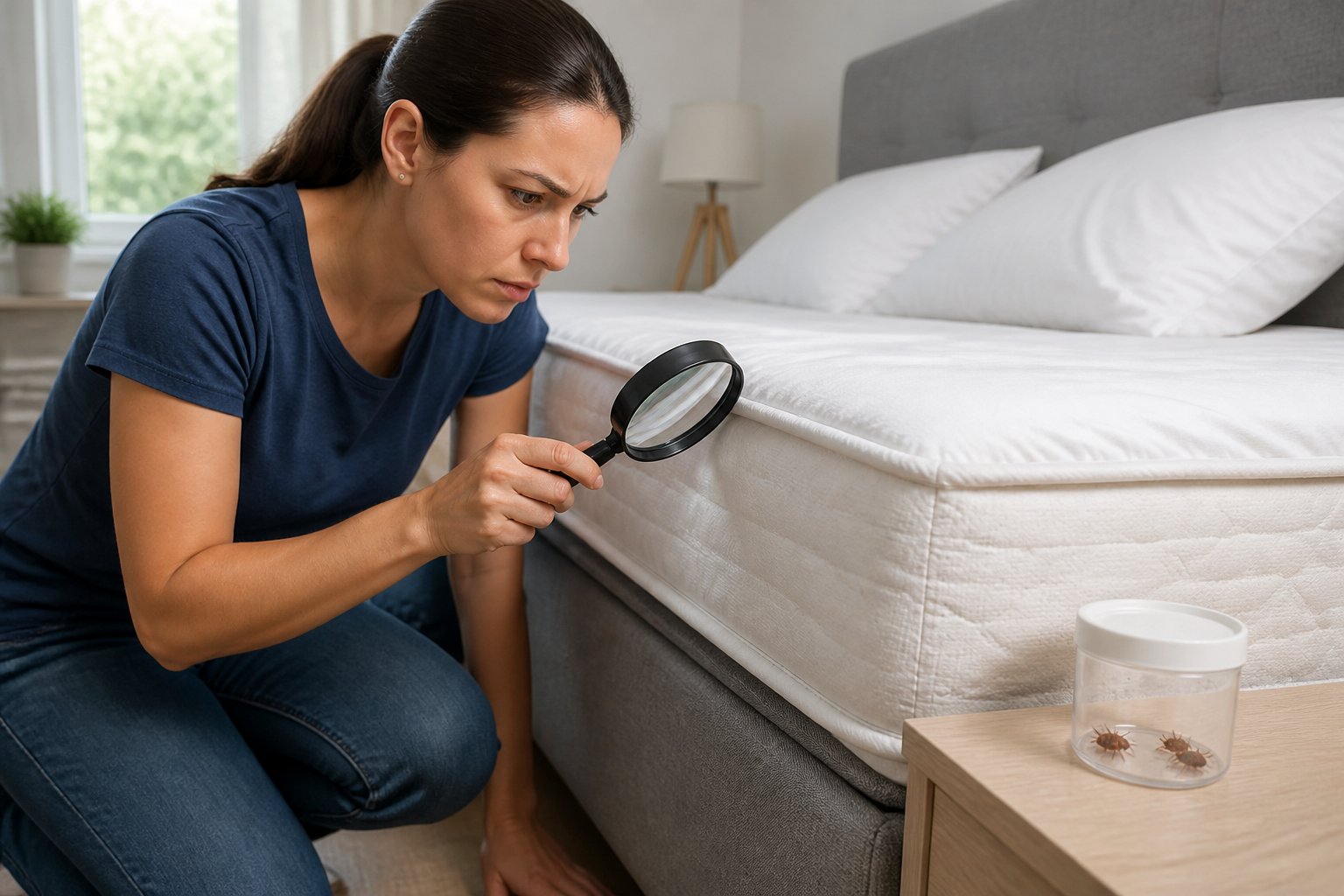
The chance of bringing bed bugs home goes up when contact is long, close, and involves fabric or furniture. You lower your risk by keeping items separated, avoiding shared soft surfaces, and inspecting anything that could hide an insect.
Length And Closeness Of Contact
The longer you sit on the same couch, ride in the same seat, or share bedding, the more opportunity a bed bug has to crawl. Close contact matters most when someone’s belongings rest against yours.
A brief meeting is usually much lower risk than spending hours in an infested bedroom or on a cluttered sofa.
Outer Layers Versus Bugs Hidden Deeper In Items
You are more likely to pick up bed bugs from outer layers like jackets, blankets, and bags that touch infested surfaces. Bugs hidden deeper inside seams, folds, or packed items can stay unnoticed until you unpack at home.
A coat draped over a chair may be more concerning than bare skin contact, since fabric creates a safe travel route for the insect.
Heavy Infestations Compared With Isolated Hitchhikers
A heavy infestation increases the odds that you will encounter an active bug, eggs, or shed skins. A single hitchhiker is still possible, though the odds are lower.
If a home, car, or piece of furniture has visible signs like reddish stains, dark spotting, or live bugs, the risk is higher.
Common Situations Where Exposure Happens

Most exposure happens in places where fabric and shared seating are involved. Public transit, homes with known infestations, and shared laundry spaces are common settings where bed bugs can move unnoticed.
Sitting Next To Someone On Public Transit
Public transit seats, especially upholstered ones, can provide a temporary hiding place. The risk rises if someone’s bag, coat, or blanket has bed bugs in the seams.
If you sit near someone carrying infested belongings, the insect may transfer to your items during a long ride. Keeping bags in your lap or on a clean surface can reduce contact.
Visiting A Home With An Active Infestation
A visit to an infested apartment or house raises the risk more than most casual encounters. Soft furniture, beds, rugs, and clutter give bed bugs many places to hide and crawl.
If you sit on a couch, lean on a bed, or place your purse on the floor, your items may pick up a hitchhiker.
Handling Shared Laundry, Bags, Or Soft Furniture
Shared laundry rooms and communal storage areas can move bed bugs from one household to another. Clothing pulled from a dryer, a borrowed tote, or a secondhand chair can all carry hidden bugs.
According to Healthline, shared laundry is one place where precautions matter, especially if you transport clothes in plastic bags and remove them promptly.
Used couches, mattresses, and upholstered furniture are especially important to inspect before you bring them home.
What To Do If You Think You Were Exposed

Act quickly, because early inspection makes it much easier to stop bed bugs before they spread. Focus on the items that traveled with you, then watch for signs over the next several days.
Check Clothing And Personal Items
Remove clothing and inspect seams, cuffs, hems, bags, and shoes. Look for live bugs, tiny eggs, dark spotting, or shed skins, which are common signs of bed bug activity.
If possible, place questionable clothing in a sealed bag until you can wash and dry it on high heat. Carefully inspect purses, backpacks, and coats to prevent a bigger problem later.
How To Reduce The Chance Of Bringing Them Home
Put your belongings on hard surfaces instead of beds or couches when you get home. Wash and dry clothing as soon as you can.
Vacuum or inspect luggage, bag linings, and soft items. If you used shared laundry or stayed in a place with signs of infestation, keep items contained until they are cleaned.
Reducing clutter also helps, since bed bugs hide more easily in piles of clothes and fabric.
Signs To Watch For Over The Next Few Days
Look for itchy bites, reddish marks on sheets, small dark spots, and tiny eggs or shells near sleeping areas.
Bed bug bites may not appear right away. They can show up days later, so timing alone does not rule exposure out.
You may also notice a musty odor near bedding or furniture.
If you keep finding signs, a pest control professional can confirm whether you have bed bugs and help you act quickly.


