
Spiders may look scary, yet they play a useful role in your home, garden, and the wider natural world.
If you are asking what are the benefits of spiders, the short answer is that they help control pests, support healthy ecosystems, and inspire useful science.
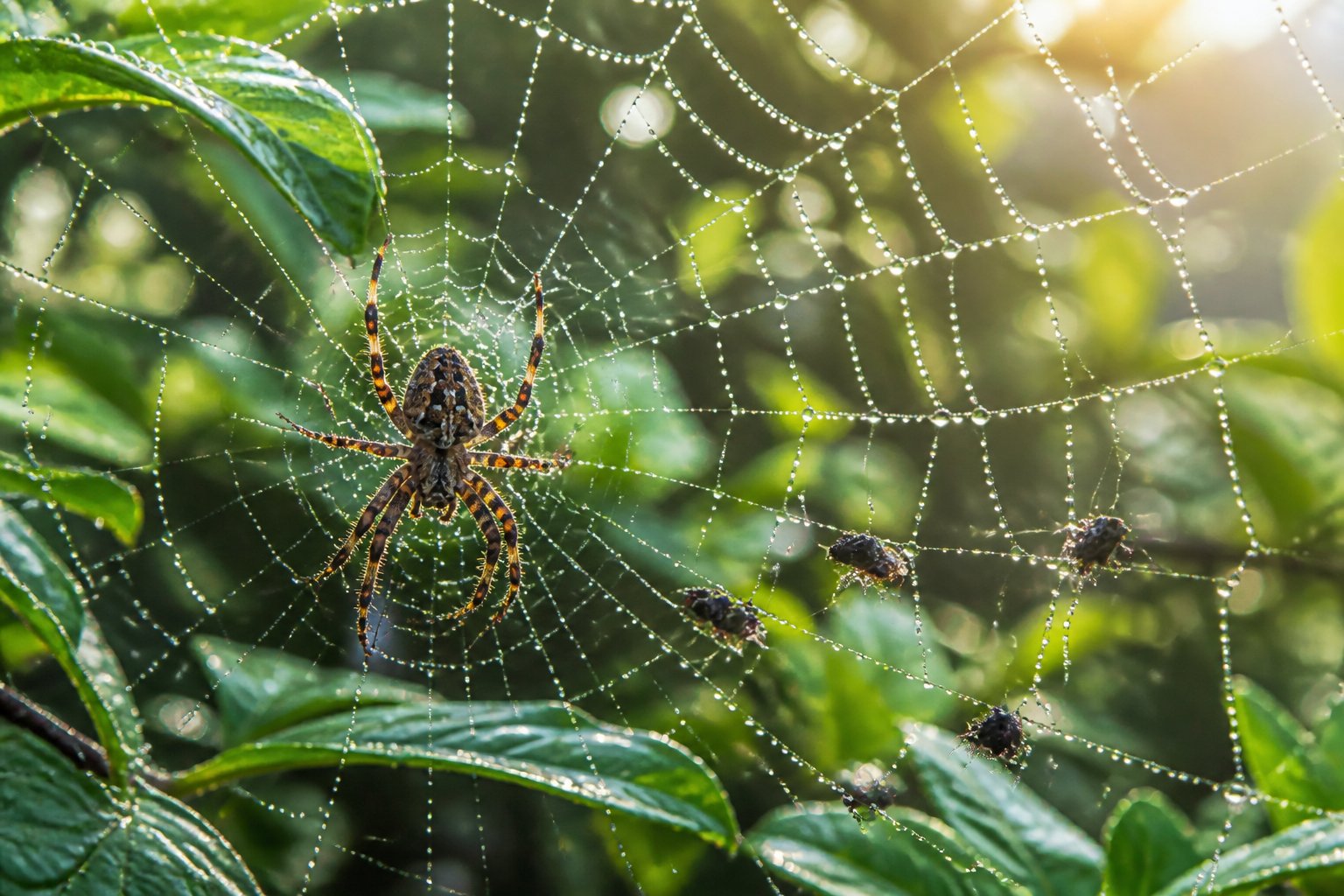
Many spider species stay out of your way and work quietly in places where insects are common.
That makes them more helpful than harmful in many places.
How Spiders Help Control Pests
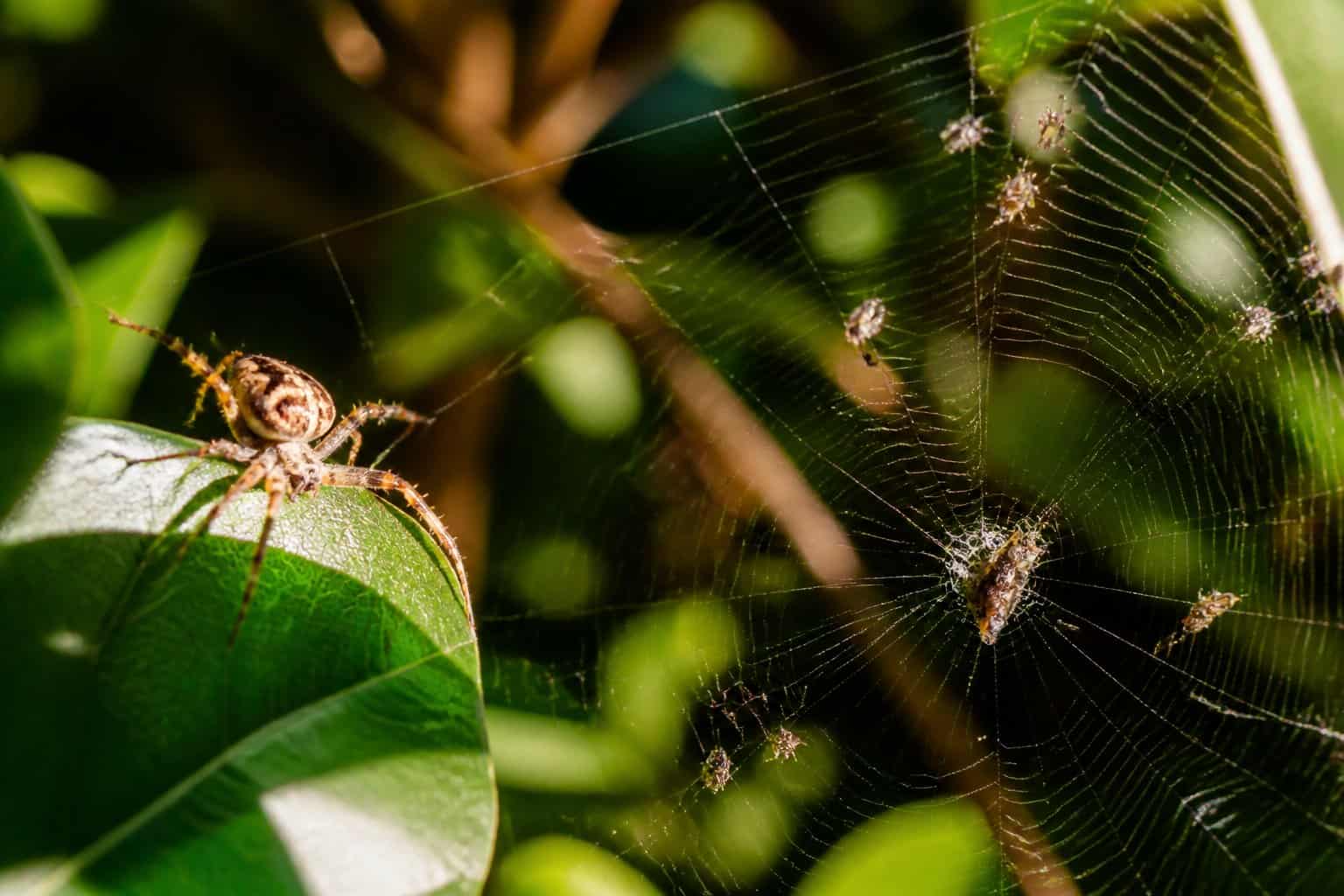
Spiders show their benefits quickly when insects start causing problems.
They hunt pests in homes and outdoors, and many species help keep insect numbers lower without adding chemicals to the environment.
Why They Reduce Common Household Insects
Spiders catch flies, mosquitoes, moths, and other small insects that sneak into your home.
They eat many of the pests that gather near lights, windows, and corners, which can make your space feel less buggy.
How They Protect Gardens And Crops
In gardens, spiders help reduce aphids, mites, caterpillars, beetles, and other pests that damage plants.
Research on garden spider pest control notes that this feeding activity can support healthier leaves and better crop yields.
Why They Can Lower Pesticide Use
When spiders limit pest outbreaks, you may not need as much chemical spray to protect plants.
Fewer pesticides can mean less risk to helpful insects and a more balanced garden.
Why Spiders Matter In Nature
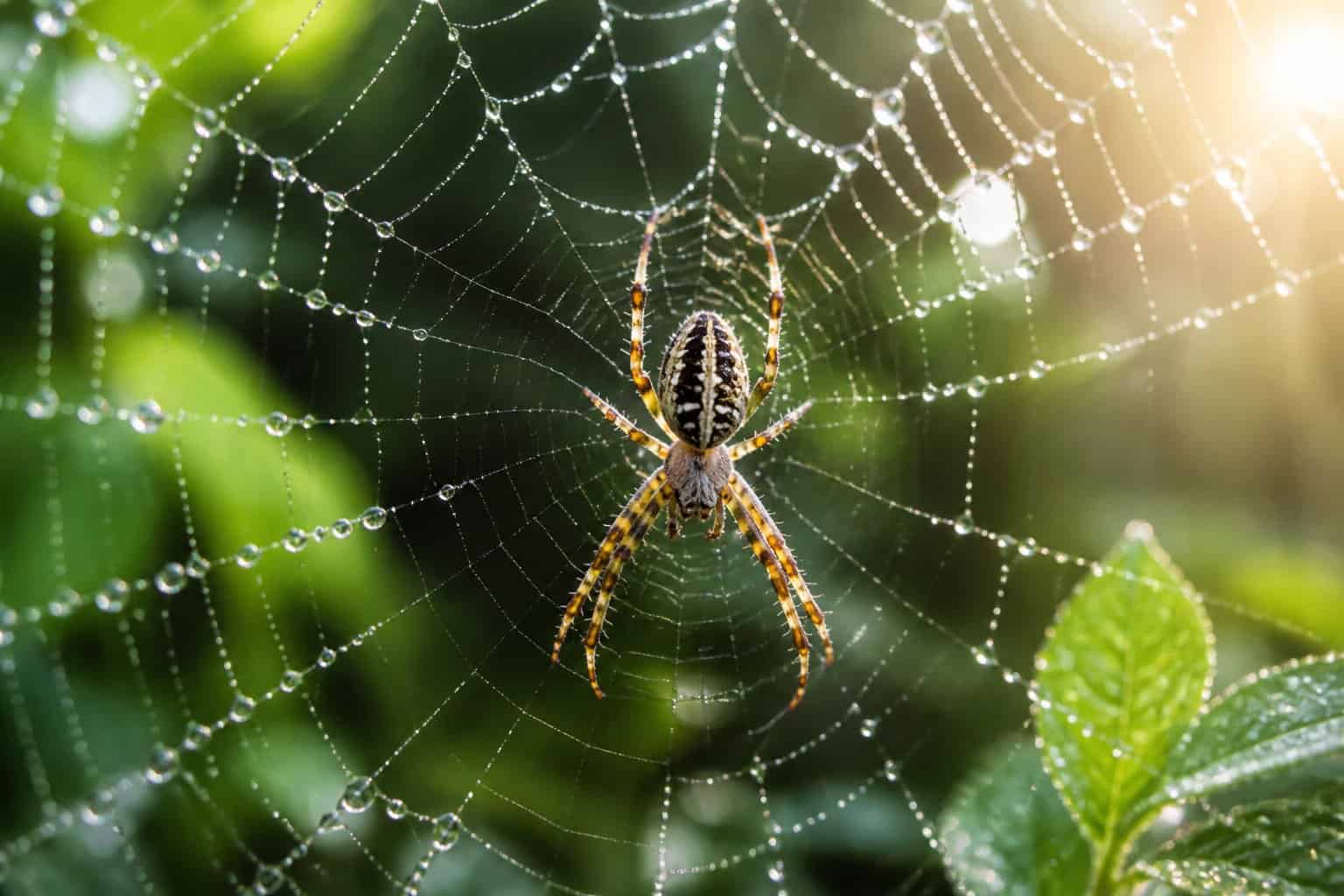
Spiders do more than catch pests.
They also help keep living systems stable, and changes in spider populations can give you clues about the health of habitats.
How They Support Ecosystem Health
Spiders act as predators that help keep insect numbers in check, which helps plants, animals, and people.
This balance can help prevent pest outbreaks that spread disease or damage crops.
Their Role In Food Web Balance
Birds, lizards, wasps, and other animals eat spiders, so they sit in an important spot in the food web.
At the same time, spiders feed on insects that might otherwise grow too numerous, which helps keep the system steady.
What Spider Populations Reveal About Habitats
Healthy spider populations often point to a habitat with enough shelter, prey, and plant life.
When spider species are missing or drop in number, it can signal changes in the environment that may also affect other wildlife.
What Humans Gain From Spider Science
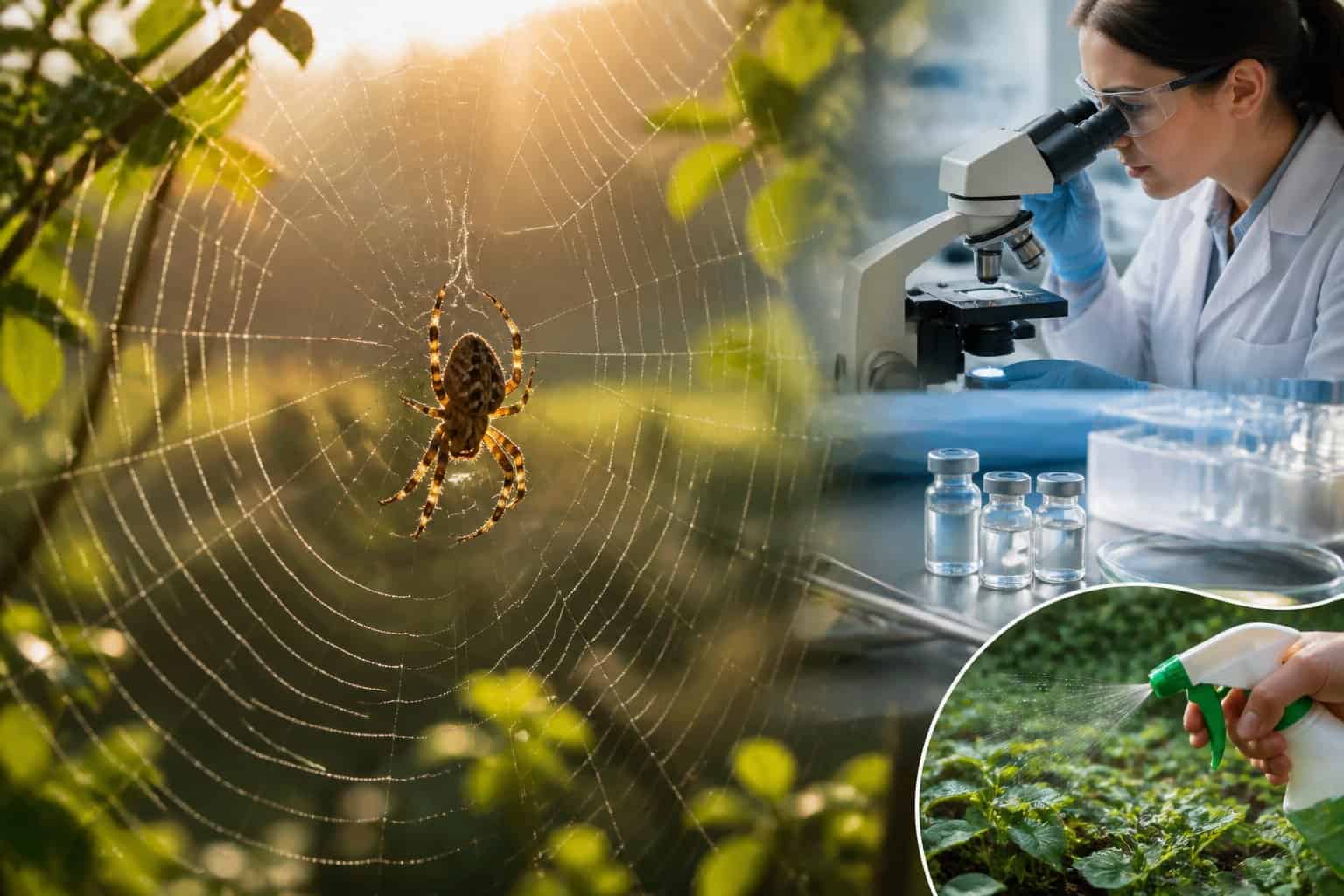
Spider science gives you more than interesting facts.
It has inspired new materials and medical research, especially through spider silk, spider venom, and ideas that connect to medical sutures.
How Spider Silk Inspires New Materials
Spider silk is strong, light, and flexible, which makes it a useful model for engineers.
Researchers study it when designing materials that need to be tough without being heavy.
Why Medical Researchers Study Spider Venom
Spider venom contains compounds that may help scientists develop new medicines.
Researchers study it for possible uses in pain relief and other medical applications.
Where Innovations Like Medical Sutures Fit In
The natural traits that make spiders interesting in the wild can help in hospitals too.
Researchers may one day use materials inspired by spider silk to improve products like medical sutures, where strength and careful healing matter.


