
If you’re a dog lover, you might wonder which breeds are the most popular. Each year, trends change, and new favorites emerge based on various factors. The four most popular dog breeds currently are the Labrador Retriever, French Bulldog, Golden Retriever, and German Shepherd. Understanding these breeds can help you choose the right companion for your lifestyle.

Labrador Retrievers have held a top spot for years due to their friendly nature and adaptability. French Bulldogs have soared in popularity for their charming looks and easy-going temperament. Golden Retrievers are beloved for their loyalty and intelligence, making them great family pets. Lastly, German Shepherds are known for their versatility and protective instincts, often excelling in various roles.
Exploring these popular dog breeds can give you insight into what traits might fit best with your family or lifestyle. Whether you’re looking for a playful pup or a loyal companion, knowing these top breeds will help guide your choice.
The Favorites: America’s Top Breeds

In the world of pets, certain dog breeds stand out as favorites among families and individuals. These dogs are loved for their traits, making them the top choices for companionship and family life.
Labrador Retriever: America’s Sweetheart
The Labrador Retriever is often considered the most popular dog breed in America. Known for their friendly nature, Labradors are great with families and children. They are social dogs that thrive on companionship.
Labradors are also highly trainable. Their intelligence makes them excellent service dogs and great at various dog sports. They enjoy outdoor activities like fetch and swimming, fitting well into active lifestyles.
Their adaptability makes them suitable for various living situations, from apartments to large homes. You’ll often find them at dog parks, happily playing with other dogs.
French Bulldog: The Urban Companion
The French Bulldog has rapidly gained popularity in recent years. Their compact size makes them ideal for urban living. If you live in a smaller space, this breed is a great fit.
French Bulldogs have a playful yet calm disposition. They enjoy being around people and love to snuggle. Their affectionate nature makes them excellent family pets.
While they don’t require intense exercise, they do enjoy short walks and playtime. Be mindful of their health, as they can be prone to breathing issues. A little care ensures they remain happy companions for years.
German Shepherd: A Versatile Protector
German Shepherds are known for their versatility and intelligence. They are often used in police and service roles due to their trainability. This breed is loyal, fearless, and protective of their families.
You will appreciate their instinct to guard your household. German Shepherds require regular exercise and mental stimulation. Enjoy taking them on daily walks or engaging them in obedience training.
Their size and strength can make them intimidating, but they are loving with families. With proper socialization from a young age, they can be gentle giants in family settings.
Golden Retriever: The Friendly Family Dog
Golden Retrievers are renowned for their friendly and loving nature. They are excellent family dogs, great with kids and highly social. This breed thrives on being part of family activities.
Their intelligence makes them easy to train, and they enjoy learning new commands. Golden Retrievers love outdoor play, especially fetch and water activities. They are often seen as the best companions for active families.
These dogs also do well in various environments, from homes with yards to those in urban settings. Their cheerful disposition brings joy to every family gathering.
Choosing a Breed for Your Lifestyle

When picking a dog, it’s important to consider your living situation and daily activities. Different breeds fit different lifestyles, so knowing your needs can help you find the perfect furry friend. Here are some great options based on specific lifestyles.
Small Spaces: Dogs for City Dwellers
If you live in a smaller home or an apartment, you’ll want a dog that is comfortable in limited space. Bulldogs are a great choice because they are calm, love to lounge, and don’t require a ton of exercise.
Poodles, especially the toy or miniature varieties, also do well in small areas. They’re smart, friendly, and can adapt to smaller living conditions.
Havanese are another great option, as they are small, social, and enjoy being around people. They don’t need a lot of room, which makes them perfect for city dwellers.
Active Families: Breeds that Love to Play
For families that enjoy outdoor activities, you may want dogs that can keep up with your active lifestyle. Medium-sized dogs like the Pembroke Welsh Corgi are full of energy and love to play.
They are great with kids and can be involved in various family activities.
Another excellent choice is the mix breed dogs that often have a blend of athletic traits. These pups can vary in size and energy levels, so finding one that matches your family’s activity level is easy.
Allergy Sufferers: Breeds with Hypoallergenic Coats
If you or someone in your family suffers from allergies, consider dogs with hypoallergenic coats. Poodles are well-known for their curly, non-shedding fur, making them a popular choice for allergy sufferers.
Havanese also have a coat that is less likely to trigger allergies, plus they are affectionate and playful.
Choosing the right breed with the right coat type can help ensure that everyone in your home stays happy and healthy while enjoying the companionship of a dog.
Caring for Your Canine Companion
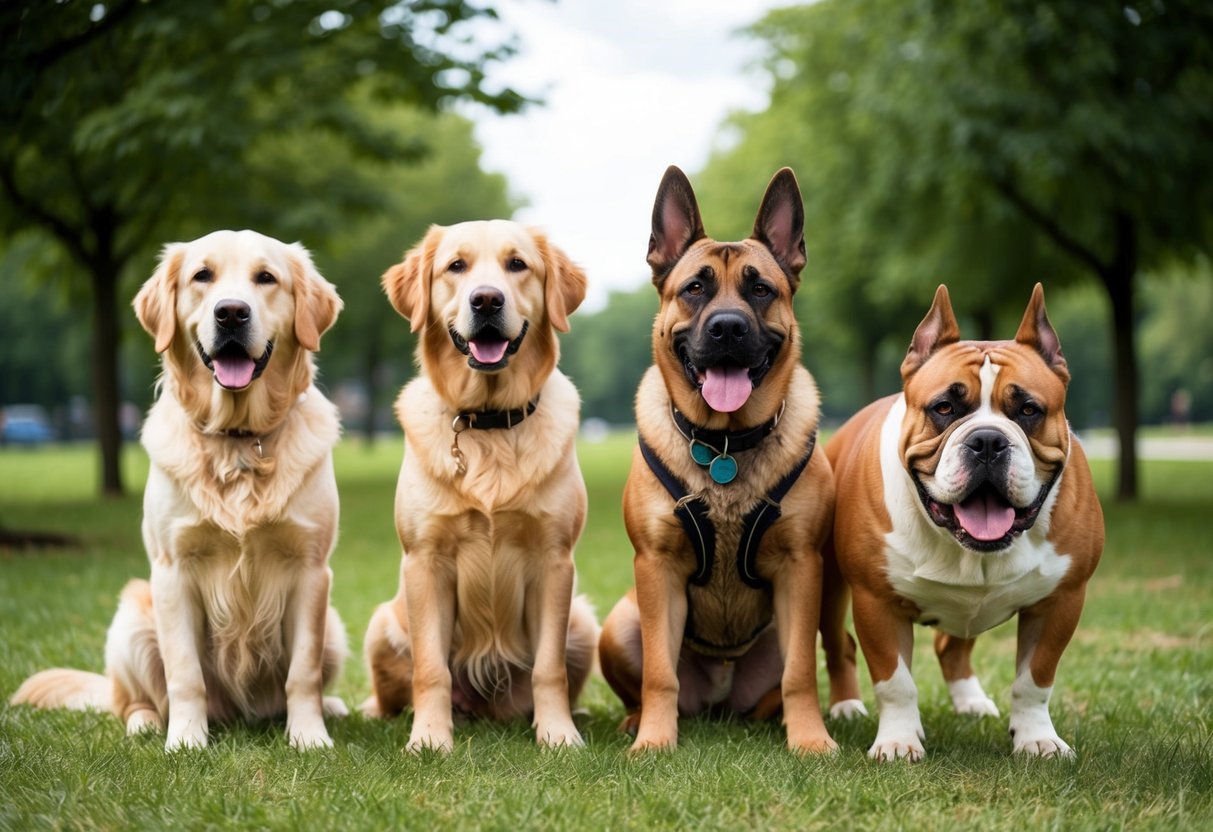
Taking care of your dog involves training, finding a responsible breeder, and ensuring good health. Each of these aspects is key to having a happy and healthy relationship with your furry friend.
Training and Behavior
Training your dog is essential for a well-behaved companion. Start with basic commands like “sit,” “stay,” and “come.” Using positive reinforcement, such as treats and praise, encourages good behavior.
Regular training sessions help build your bond and improve your dog’s trainability. Consistency is important. Aim for short sessions, 5 to 10 minutes, several times a day. This keeps your dog engaged and eager to learn.
Socializing your dog is just as vital. Introduce them to different people, environments, and other animals early on. This helps them become well-rounded and confident, reducing anxiety in new situations. Remember, a well-trained dog can also serve as a great watchdog.
Finding a Responsible Breeder
Choosing a responsible breeder is crucial for your dog’s future health and behavior. Look for breeders who prioritize the welfare of their dogs. They should provide a clean, safe environment for their pups and be knowledgeable about the breed.
Ask to see health clearances for breed-related conditions. A good breeder will also let you meet the puppy’s parents. They should be friendly, healthy, and well-cared for. This gives you an idea of the temperament you can expect in your new pet.
Avoid backyard breeders or puppy mills, as they often prioritize profit over care. Take your time in finding a breeder who aligns with your values; it will pay off with a healthier, happier pup.
Health and Wellness
Maintaining your dog’s health is essential for their quality of life. Regular veterinary check-ups are important for vaccinations and health screenings. Make sure your puppy is on a proper vaccination schedule.
Feeding your dog a balanced diet tailored to their age and size also plays a big role in their well-being. High-quality dog food can prevent many health issues. Don’t forget to provide plenty of fresh water.
Additionally, exercise is vital. Regular walks and playtime keep your pup physically fit and mentally stimulated. This also helps manage any behavioral issues that may arise from boredom. Keeping an eye on their weight helps prevent obesity and related health problems, ensuring a longer, happier life together.


