
Arctic foxes are fascinating creatures that thrive in some of the coldest places on Earth. These small animals, scientifically known as Vulpes lagopus, have unique adaptations that help them survive in harsh climates. They can change the color of their fur with the seasons, helping them blend into their surroundings.

These clever animals are skilled hunters and foragers. They often travel long distances across the snow to find food and maintain their home range. Interestingly, Arctic foxes are also known for their thick fur, which keeps them warm during extreme winter temperatures.
As you read on, you’ll discover more about these remarkable mammals. From their playful nature to their role in the ecosystem, Arctic foxes are truly captivating. Get ready to learn five amazing facts about arctic foxes that highlight their unique traits and resilience in the wild!
Physical Adaptations and Habitat

Arctic foxes have special features that help them survive in their harsh environment. Their adaptations ensure they stay warm and hidden, while their habitat provides everything they need to thrive.
Camouflage and Insulation
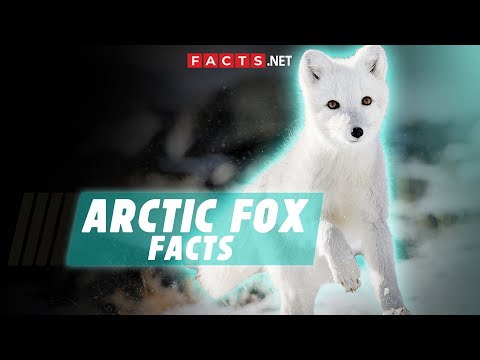
Arctic foxes are masters of camouflage. Their fur changes color with the seasons. In winter, it turns white to blend in with the snow, while in summer, it shifts to brown or gray to match the tundra.
To stay warm, these foxes have a thick fur coat that helps trap heat. This fur acts like insulation, keeping the cold at bay. They also have a fluffy tail, which they can wrap around themselves for extra warmth during frigid nights. Their feet are covered in fur, almost like snow boots, protecting them from icy surfaces. These features reduce heat loss and help them conserve energy in extreme cold.
Habitat: The Arctic Tundra
The habitat of the Arctic fox is the Arctic tundra, a cold and windy place filled with snow and sparse vegetation. This environment is harsh, yet it suits these resilient animals well.
The tundra offers a variety of food options, including small mammals and berries. The sea ice provides a hunting ground for seals, which can be scavenged. The Arctic landscape may look barren, but the foxes have learned to find resources that support their survival. The tundra’s unique characteristics make it an ideal home for the Arctic fox, giving them everything they need to adapt and thrive in a challenging ecosystem.
Diet and Hunting Behaviors

Arctic foxes have a diverse diet and unique hunting strategies. They adapt well to their environment, which shapes their feeding habits and prey selection.
Predator-Prey Relationship
As predators, Arctic foxes rely heavily on small mammals, especially lemmings, which are a primary food source. These foxes are excellent hunters, using their keen sense of hearing to locate prey hidden beneath the snow.
When hunting, they perform a distinctive technique: jumping high into the air before diving headfirst into the snow. This allows them to surprise their prey. Besides lemmings, they also hunt rodents, birds, and even insects.
The availability of food varies with the seasons, and Arctic foxes adjust their hunting behaviors accordingly. Their success as hunters helps maintain the balance in the Arctic ecosystem.
Opportunistic Feeding Habits
Arctic foxes are omnivores and lead opportunistic feeding lifestyles. They eat whatever is available based on their environment. In summer, they enjoy a mix of berries, insects, and small mammals.
These cunning animals do not shy away from scavenging. They will consume carrion, which is any dead animal, to take advantage of available resources. In coastal areas, they might even feast on seaweed, fish, and other marine life.
Adaptability in feeding habits is crucial for survival in harsh Arctic conditions. This flexibility ensures that Arctic foxes can thrive even when specific food sources are scarce.
Reproduction and Lifecycle

Arctic foxes have unique reproductive habits and a fascinating lifecycle. Their social behavior influences how they raise their young, and understanding these aspects reveals how they thrive in their harsh environment.
Breeding and Offspring Care
Arctic foxes are monogamous animals. They typically form strong pair bonds during the breeding season, which occurs in early spring. After a gestation period of around 50 to 60 days, a female usually gives birth to a litter of 5 to 8 kits.
Once born, the kits are entirely dependent on their parents. The mother cares for them in a den, while the father helps by bringing food. The family works together, showcasing their strong social behavior. The little ones begin to emerge from the den at about three weeks old, and you can see them playfully exploring their surroundings.
Lifespan and Development
In the wild, the average lifespan of an Arctic fox is about 3 to 6 years. Some may live longer in protected environments. The development of kits is rapid; they are weaned off by 9 weeks and begin to hunt small prey by late summer.
As they grow, kits learn vital survival skills from their parents. During their first year, they develop their unique adaptations, like their seasonal coat changes. These traits help them survive in extreme conditions. Understanding this lifecycle gives insight into their resilience and ability to thrive in the Arctic.
Conservation and Environmental Impact
The Arctic fox faces several challenges that threaten its survival. Understanding these threats and learning about ongoing conservation efforts can help you appreciate how important it is to protect this unique species.
Threats to Population Stability
Climate change is a major concern for Arctic foxes. As temperatures rise, their habitats are changing. The melting ice affects their hunting grounds and makes it harder for them to find food.
Their main food source, lemmings, suffers from population fluctuations. When lemming numbers drop, Arctic foxes struggle to survive. Additionally, the encroachment of red foxes into their territory leads to competition for resources. Red foxes are larger and can take over habitats traditionally occupied by Arctic foxes.
The fur trade has also had a significant impact on Arctic fox populations. Many animals are hunted each year for their pelts. This not only reduces their numbers but also threatens their genetic diversity. Lastly, diseases like rabies can spread more easily due to changing climates, further impacting their populations.
Conservation Efforts
Efforts to conserve Arctic foxes are vital for their future. Wildlife organizations are working to protect their habitats and educate the public about these challenges.
Creating protected areas helps reduce the threats posed by human activities. Monitoring Arctic fox populations allows scientists to understand trends and make informed decisions.
Conservationists work on reintroducing Arctic foxes to areas where they might have disappeared due to competition or hunting. Many regions are also implementing stricter regulations against fur trapping.
Raising awareness about the impact of climate change and protecting lemming populations are other crucial steps. By supporting these efforts, you can help ensure that Arctic foxes thrive in their natural habitats.


