
Raccoons are clever and curious creatures, often found rummaging through trash in urban areas. While they seem fearless in their search for food, specific animals make raccoons genuinely avoid. Understanding these natural predators can help you appreciate the unique ways raccoons navigate their environment.
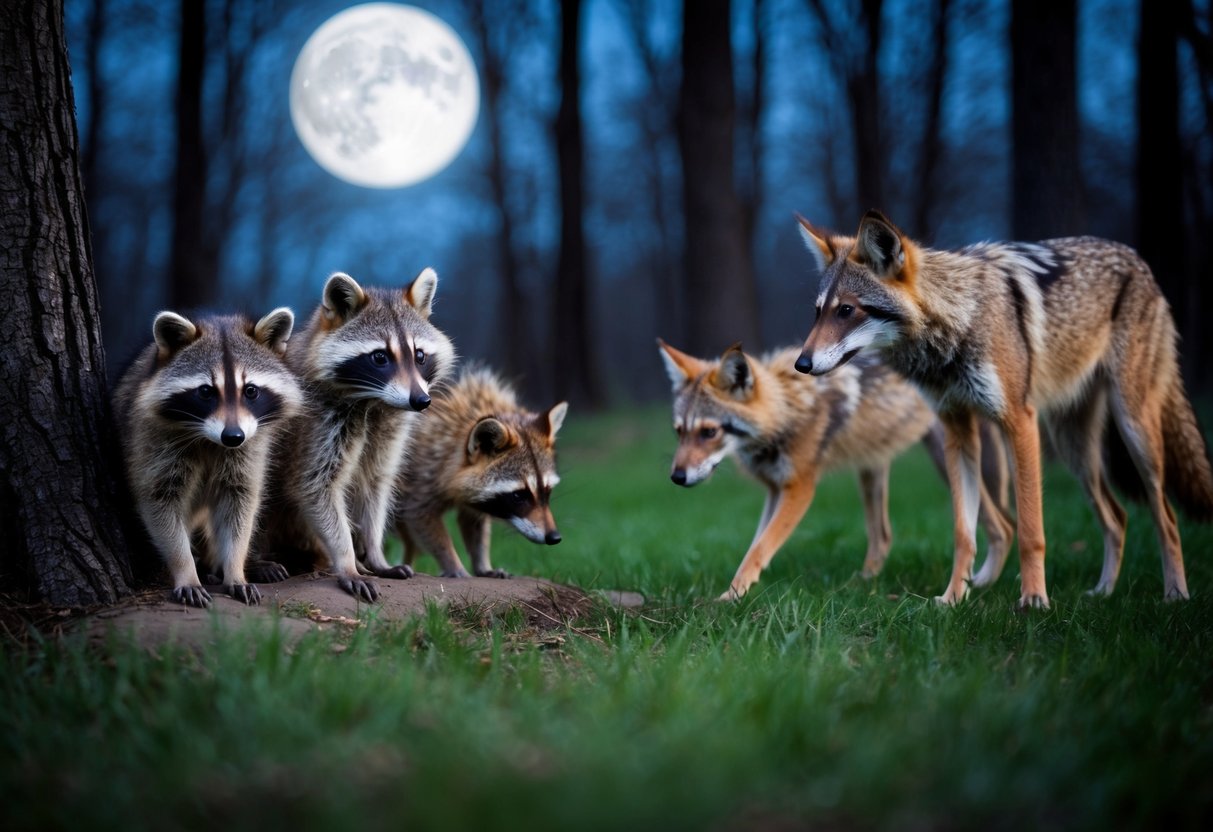
Coyotes, owls, and foxes are some of the main threats raccoons face. These predators have sharp senses and skills that make them effective hunters. You might be surprised to learn that even loud noises or certain strong smells can send raccoons scurrying for safety.
If you’ve ever wondered what makes raccoons retreat, you’ll discover that their fear is linked not just to larger animals, but also to human presence and various environmental factors. Knowing what frightens them can shed light on their behavior and help you keep these playful animals at a distance.
Understanding Raccoons’ Natural Predators
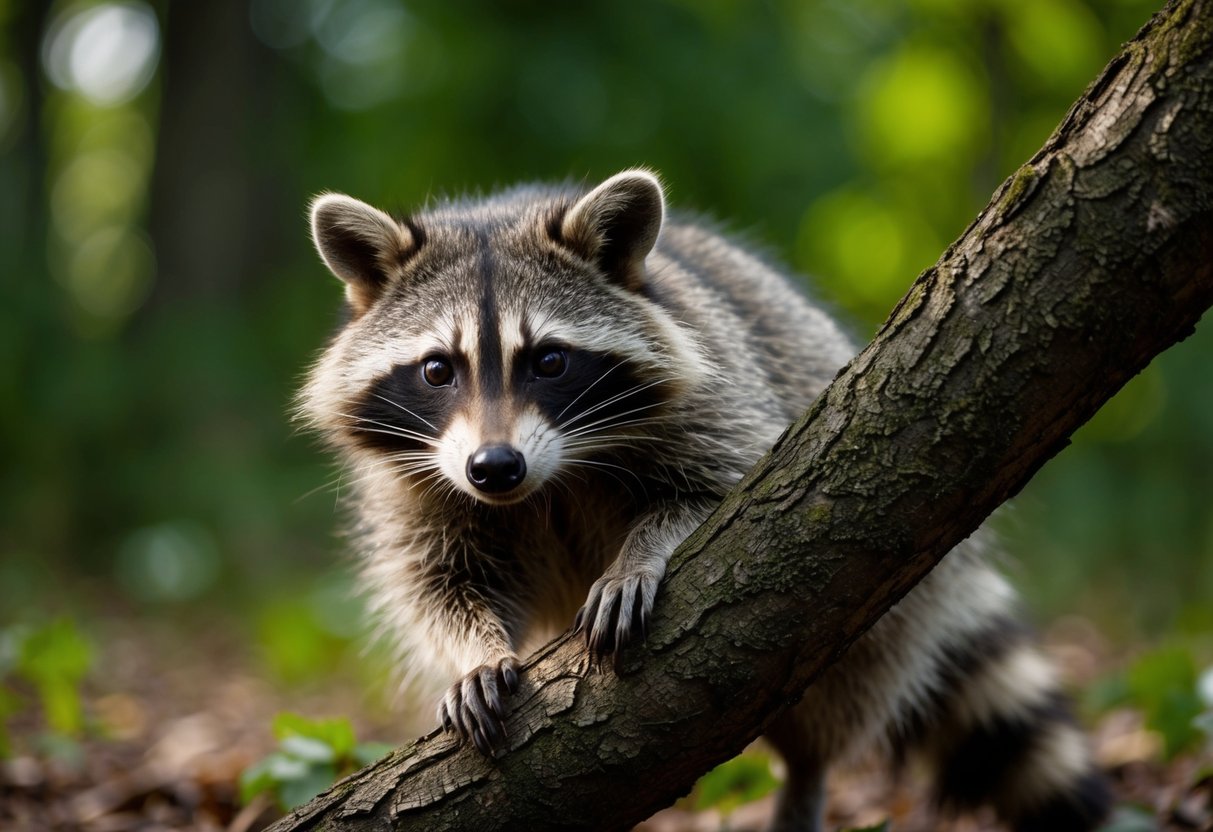
Raccoons face various natural predators that influence their behavior and habitats. Knowing these threats can help you understand raccoon safety and how to deter them from your property.
Predators in the Wild
In the wild, raccoons contend with several natural predators. Key threats include:
- Coyotes: These opportunistic hunters are common in many regions and will prey on raccoons, especially young ones.
- Bobcats: Stealthy and agile, bobcats are skilled hunters that can ambush raccoons.
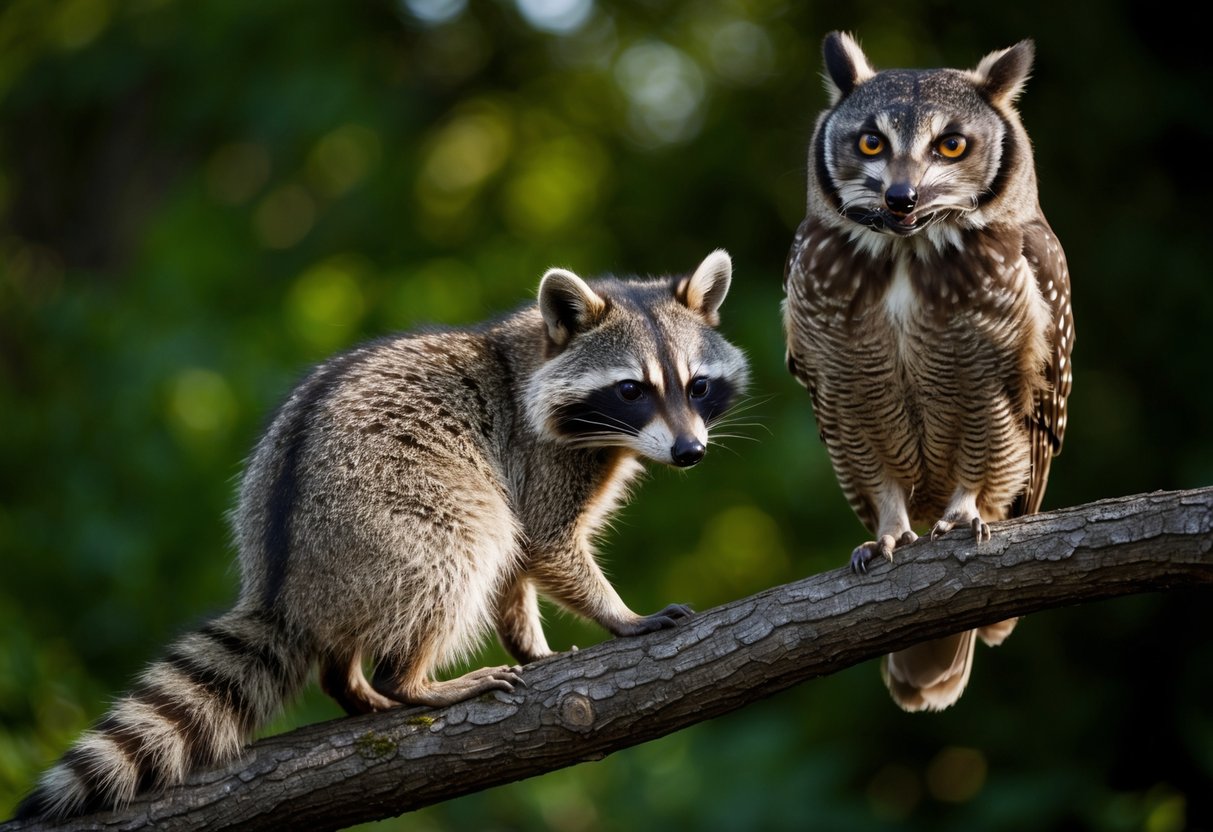
- Birds of Prey: Large birds like the great horned owl can swoop down and catch raccoons, particularly at night when raccoons are active.
- Cougars and Wolves: In certain areas, these larger predators can also threaten raccoons.
Raccoons often adapt their behavior, becoming more cautious in areas where these predators are present.
Predators in Urban Environments
Even in urban settings, raccoons face risks from various predators. These include:
- Domestic Dogs: Many suburban neighborhoods have dogs that may chase or harm raccoons.
- Humans: While not natural predators, human activities—like wildlife control and removal—impact raccoon populations significantly.
- Cars: While not a predator, traffic can be deadly for raccoons as they navigate roads.
It’s essential to be aware of these factors, as they can influence how raccoons behave in your neighborhood. Keeping your property secure can help minimize encounters with these clever animals.
An Overview of Deterrents That Inspire Raccoon Fear
Many tools and methods can help keep raccoons away from your property. By understanding their fears and how to address them, you can effectively deter these clever animals.
Effective Use of Sensory Deterrents
Raccoons have strong senses and can be scared off by various sensory deterrents. Loud noises are particularly effective. Items like wind chimes or even a simple water hose can create sounds that repel them.
You can also use bright lights that disrupt their comfort zone. Motion-activated lights make them feel threatened, encouraging them to leave.
Strong smells can also be a game-changer. Raccoons dislike odors like garlic, ammonia, and peppermint oil. Sprinkling these around your garden or entry points can make your space uninviting.
Consider mixing hot pepper spray with water and applying it to plants. This method not only makes the area fragrant for you but helps keep raccoons at bay.
Chemical Methods to Keep Raccoons at Bay
Using chemical deterrents can be another effective strategy. Items that mimic natural threats can help scare raccoons off. For instance, commercially available raccoon repellents often contain smells that are unappealing to them.
You might also try hot pepper solutions. This simple mix can deter raccoons when sprayed on plants or around trash cans. The heat from the pepper acts as a strong repellent, making your yard less appealing.
Be mindful when using chemical options. Always check for safe application methods, especially if you have pets or children. Keeping raccoons away isn’t just about what they see; it’s also about what they smell and hear.
Proactive Measures to Prevent Raccoon Intrusion
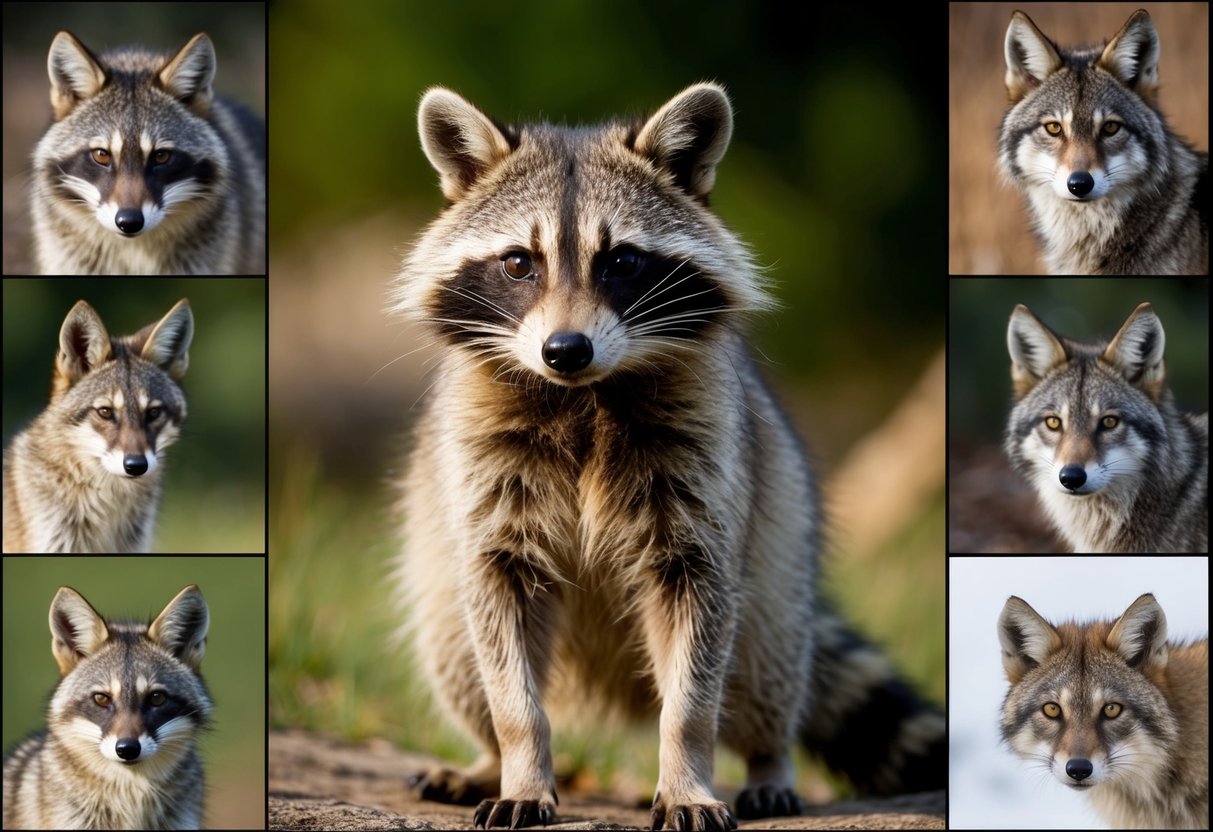
Taking proactive steps to secure your property can significantly reduce the chances of raccoon intrusion. By addressing potential food sources and making your environment less inviting, you can keep these clever masked bandits at bay.
Securing Potential Food Sources
Raccoons are opportunistic feeders, so preventing access to food is crucial in avoiding raccoon problems.
Start by securing your trash cans. Use heavy-duty, raccoon-proof trash can lids that lock in place. Containers should be stored in a garage or shed when not in use.
If you have bird feeders, consider switching to designs that are inaccessible to raccoons. Keep areas around your home clean, ensuring that pet food and any scraps are stored indoors.
If you have a compost pile, use a bin with a secure lid to keep raccoons from foraging.
Creating a Hostile Environment for Raccoons
Making your property less inviting can deter raccoons and other nocturnal animals.
Start by trimming back any overgrown vegetation. Raccoons often look for cover. Removing places where they can hide reduces the chance they’ll want to stay.
Consider installing motion-activated lights around your home. The sudden brightness can scare nocturnal creatures away.
You can also use noise deterrents like wind chimes or ultrasonic devices designed to keep wildlife at bay.
Making your property unwelcoming can discourage raccoon intrusion and keep your home safe.


