
You might be wondering how to keep foxes at bay if you’ve noticed them in your yard or garden. Loud noises are effective in scaring foxes away from your property. By generating unexpected sounds, you can make your home less inviting for these wildlife visitors.

Simple actions like clapping, shouting, or banging pots can help deter foxes. You can also use noise-making devices like whistles or sound machines. Combining these methods can create a more secure environment, allowing you to enjoy your garden without worry.
Understanding what scares foxes will help you protect your outdoor space. With the right sounds, you can reclaim your land and keep these animals at a safe distance.
Understanding Fox Behavior
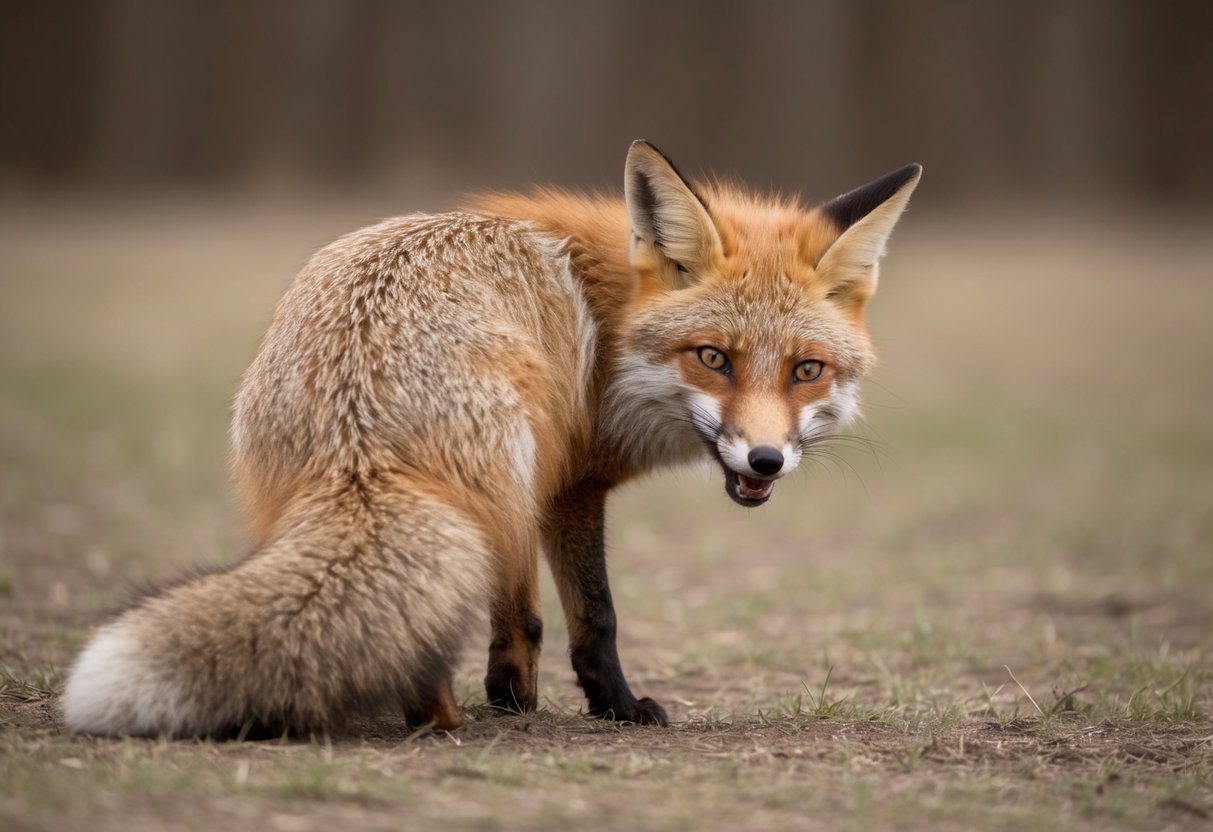
Foxes are fascinating creatures, known for their adaptability and unique social structures. Understanding their behavior can help you know why certain noises might scare them away.
Fox Species and Habitats
The most common fox species are the red fox and the gray fox. The red fox is easily recognizable with its bushy tail and reddish coat. It typically prefers wooded areas, grasslands, and even urban environments. On the other hand, gray foxes are more arboreal and can often be found in forests.
Foxes establish their homes in dens, which may be dug into the ground or made in hollow logs. Female foxes, known as vixens, are often responsible for raising fox cubs during spring. They stay close to their dens, making them wary of loud or sudden noises in their surroundings.
Common Fox Sounds and Their Meanings
Foxes communicate using various sounds, each with a distinct purpose. You might hear a bark, which serves to alert others of danger or to establish territory. The gekkering sound is a series of rapid barks that shows excitement or aggression, often used during fights.
Another notable sound is the vixen’s scream, a high-pitched noise made by female foxes, especially during mating season. It’s essential for maintaining their territory and attracting mates. Baby foxes, or cubs, also make softer, whining sounds when they are hungry or seeking attention.
Knowing these sounds can help you understand if a fox feels threatened or comfortable in its habitat.
Effective Deterrents Against Foxes

Deterring foxes from your property can be done using various methods, focusing on scents they dislike, sounds that scare them, and creating physical barriers. These strategies can help you reclaim your space.
Using Scents and Tastes Foxes Dislike
Foxes have strong senses of smell, and certain scents can repel them. Garlic and chili pepper are popular options. You can create a spray using garlic powder or crushed garlic mixed with water. Spray this around your yard, especially near entry points.
Additionally, commercial fox repellents often contain these ingredients. You can also try using vinegar or citrus peels, as foxes tend to avoid these smells. Placing these items strategically can discourage them from settling in your area.
The Impact of Auditory Deterrents
Making loud noises is an effective way to scare foxes away. Simple actions like yelling or clapping can startle them. You can also use wind chimes or play loud music to create an uncomfortable environment.
Another option is to set up motion-activated noise makers. These devices will emit sounds when they detect movement, helping keep foxes at bay. You might even consider using air horns or simply banging pots and pans together when you spot one. The key is to make your yard less appealing with loud, unexpected sounds.
Physical Barriers and Fencing Strategies
Creating physical barriers is another strong method to deter foxes. A well-built fence can go a long way. Choose a fence that is at least six feet tall and buried a foot deep, as foxes can dig under.
Ensure the fence has a smooth surface to prevent climbing. Additionally, you can incorporate motion-activated sprinklers near your fence. These devices not only surprise foxes but also keep your garden healthy. Regular maintenance of your yard can eliminate hiding spots and make your property less inviting to foxes.
Home and Garden Protection
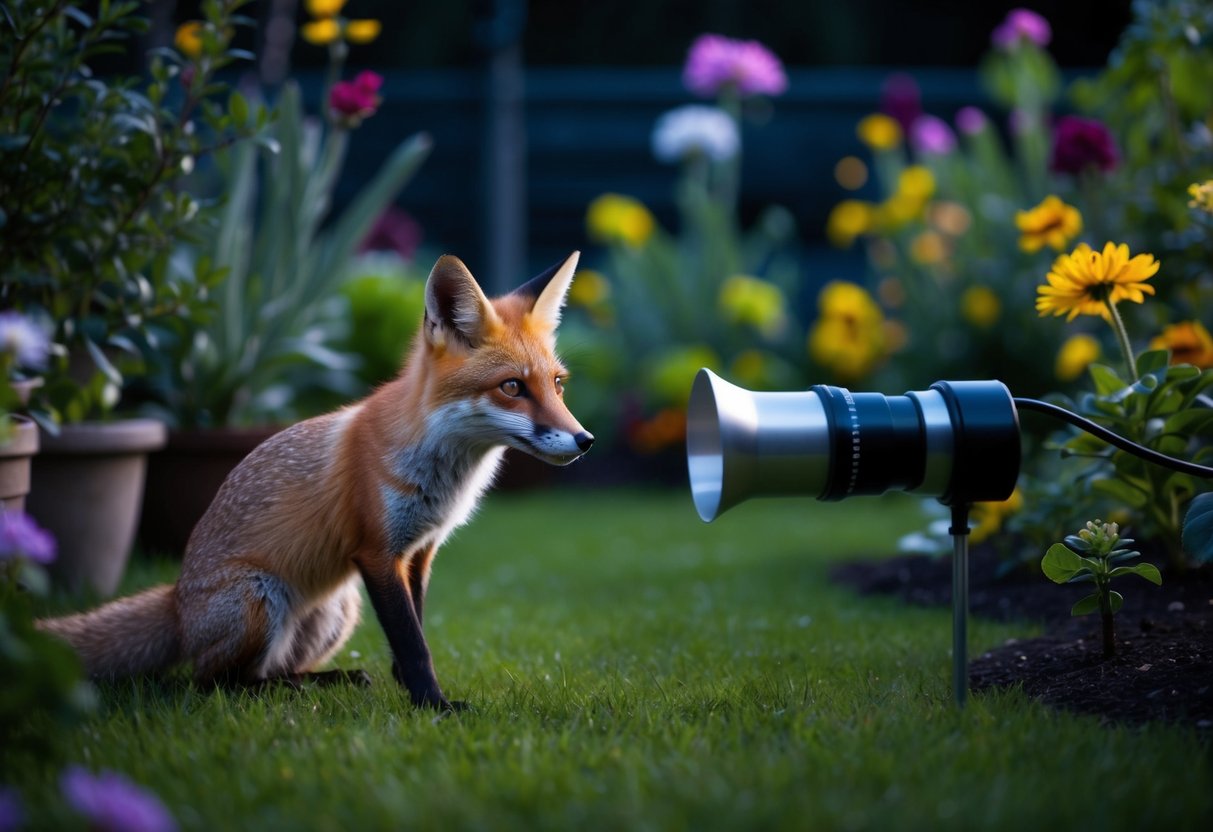
Protecting your home and garden from foxes involves simple strategies aimed at reducing their access to food and creating an environment that discourages them from settling in. By focusing on food sources and modifying your landscape, you can effectively keep these clever omnivores at bay.
Securing Food Sources and Waste
To keep foxes out, start by securing all potential food sources around your yard. This includes pet food. Always bring in pet dishes after meals. If you must leave food outside, use elevated feeders that are less accessible to foxes.
Proper waste management is key too. Make sure trash cans are tightly sealed. Consider using animal-proof bins designed for wildlife control. Additionally, compost piles should be covered or avoided altogether, as they can attract curious foxes looking for easy meals.
Landscaping and Garden Modifications
Your garden can also help you keep foxes away. Consider planting low-growing, prickly plants around your property. These dense bushes can act as natural barriers.
Certain scents can deter foxes too. Adding plants that emit odors they dislike, such as garlic or citrus, can make your garden less appealing. Using garden features like wind chimes or noise-making devices near your plants can further scare foxes away and provide effective pest control.
By taking these steps, you can maintain a safe and enjoyable outdoor space free from fox intrusion.
Innovative Techniques and Technology

There are several advanced methods to help you keep foxes away from your property. By using innovative devices and technology, you can create an environment that discourages these clever animals from coming too close.
Utilizing Motion-Activated Devices
Motion-activated devices effectively keep urban foxes away. These devices include bright lights, sprinklers, and sounds that startle wildlife.
- Bright Lights: When motion sensors detect movement, bright lights turn on. This startles foxes and discourages them from approaching.
- Motion-Activated Sprinklers: These devices spray water when they sense movement, adding an unexpected splash that foxes dislike.
- Gekkering Sounds: Some devices emit sounds similar to coyotes, which can scare foxes away due to their instinct to avoid larger predators.


