
When you think about raccoons, you might picture their clever hands and masked faces rummaging through trash. These creatures are adaptable and thrive in various environments, making them fascinating parts of our ecosystem. Yet, despite their resourcefulness, several animals in the wild can beat a raccoon in a confrontation.
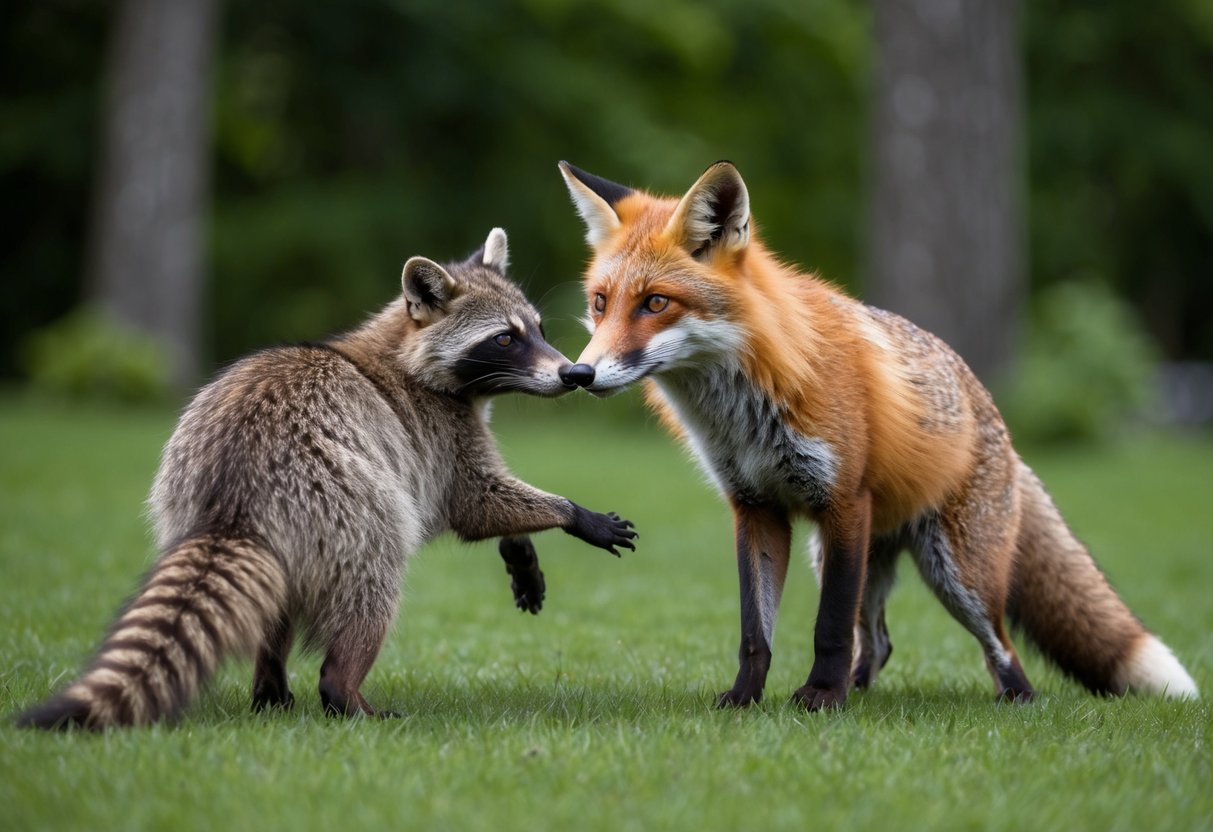
From cunning coyotes to powerful bobcats, these predators are well-equipped to take on raccoons. They play vital roles in maintaining the balance of wildlife by keeping raccoon populations in check. Understanding which animals can defeat raccoons not only sparks curiosity but also highlights the intricate relationships within our ecosystem.
As you read on, you’ll discover the key players in this wildlife drama and learn more about the unique challenges raccoons face in the wild. Explore how these interactions impact the environment and what it means for the raccoon’s survival. It’s a fascinating journey into the world of wildlife that you won’t want to miss!
Raccoon Overview
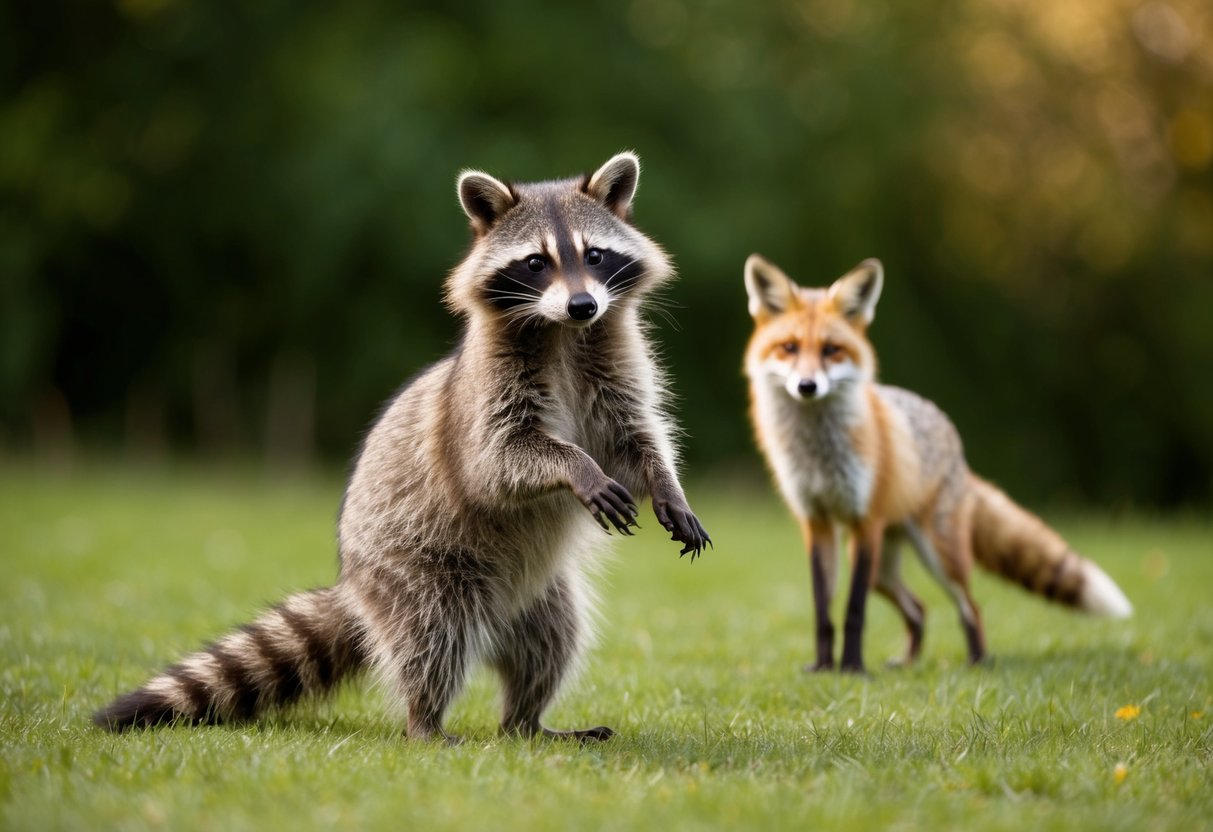
Raccoons are interesting creatures known for their adaptability and cleverness. They have unique physical traits, distinctive behaviors, and a diverse diet that make them stand out in the animal kingdom.
Physical Characteristics and Abilities
Raccoons are medium-sized mammals, typically weighing between 10 and 30 pounds. They have a distinctive black mask of fur around their eyes, which gives them a recognizable appearance. Their fur is usually grayish-brown, providing camouflage in their natural settings.
One of their notable features is their dexterous front paws, which are incredibly agile. This allows them to climb well and manipulate objects with ease. Raccoons are skilled climbers, often seen scaling trees or buildings in search of food or shelter.
Additionally, raccoons are nocturnal animals, meaning they are most active at night. Their keen sense of touch and excellent night vision help them navigate and hunt in the dark.
Habitat and Behavior
Raccoons are highly adaptable and can live in a variety of habitats. You’ll find them in forests, urban areas, and wetlands. They often seek out places where food is readily available, such as parks and trash bins.
In terms of behavior, raccoons are social animals. They often interact with each other, especially in groups during the breeding season. Their intelligence shines through their problem-solving skills. They can find ways to open containers and doors to access food.
Raccoons communicate with a range of vocalizations, body language, and scent markings. This helps them establish territory and alert others to dangers.
Diet and Nocturnal Activity
As omnivores, raccoons have a varied diet that includes fruits, insects, small animals, and human food. This flexibility allows them to thrive in many environments. You might even find them foraging through gardens or your backyard.
Being nocturnal, they search for food mainly at night. Their sensitive paws can feel vibrations and textures, helping them find snacks like nuts or worms in the ground.
Raccoons are curious eaters, often trying new things. This adaptability contributes to their survival, enabling them to scavenge effectively in urban settings or in the wild.
Natural Predators of Raccoons
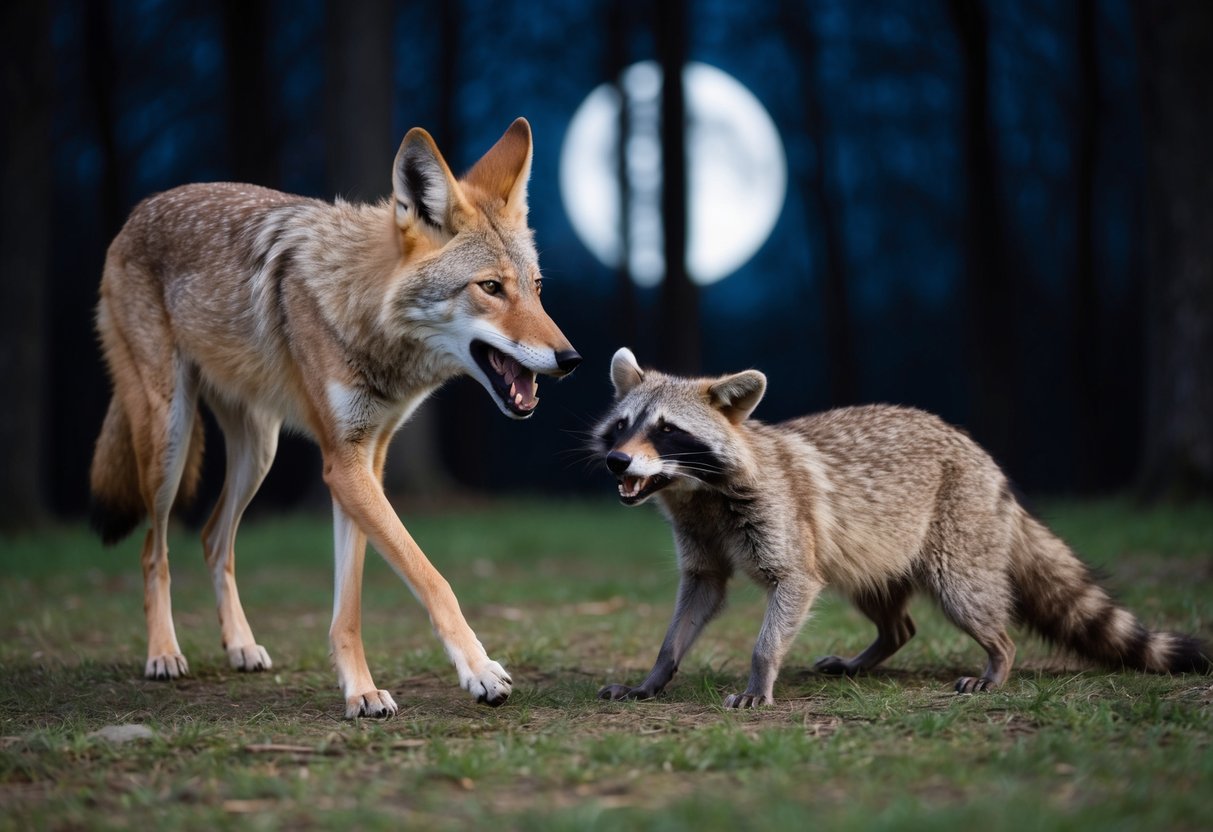
Raccoons face threats from various natural predators, including birds of prey, mammalian carnivores, and reptilian threats. Each type of predator plays a role in the food chain and can impact raccoon populations in different ways.
Birds of Prey
Birds of prey are skilled hunters that target raccoons, especially when they are younger and smaller. Great horned owls are one of the most formidable foes, capable of swooping down silently to catch their prey.
Bald eagles and golden eagles also have the ability to hunt raccoons, especially if they are near water sources. These eagles can spot raccoons from great heights and dive in for a meal. Hawk species, like red-tailed hawks, will also prey on young raccoons if the opportunity arises.
Mammalian Carnivores
Mammalian carnivores are significant threats to raccoons. Coyotes are among the top predators, often hunting in packs, which makes them effective at targeting adult raccoons.
Additionally, bobcats and lynx may take on younger or weaker raccoons, using their sharp claws and stealthy approaches. Mountain lions and wolves can also be threats in regions where their habitats overlap with raccoons. Foxes may not target adult raccoons, but they are opportunistic and will prey on vulnerable individuals.
Reptilian Threats
Reptilian threats are less common but still pose danger to raccoons. Alligators are significant predators in waterlogged areas. They can attack raccoons when they come to drink or search for food near the water.
Snakes can also be a risk, especially if they are large enough to tackle a smaller raccoon. While they may not often hunt raccoons, they can become a threat to juvenile raccoons or sick individuals. Keeping an eye out for these predators can help raccoons survive in the wild.
Interactions with Humans and Domestic Animals

Raccoons often venture into human spaces, leading to various interactions with people and pets. Understanding these encounters helps in managing potential conflicts and keeping everyone safe.
Urban Encounters
In urban areas, raccoons can find food easily, often rummaging through trash cans or pet food containers. This behavior can lead them to interact with humans more frequently. It’s not uncommon for you to spot a raccoon at night looking for snacks.
These encounters can sometimes be surprising. Raccoons may seem cute, but they can also be bold and aggressive, especially if they feel threatened or cornered. It’s important to secure your garbage and avoid leaving pet food outside to reduce these encounters.
Raccoons and Domestic Dogs
When raccoons meet domestic dogs, trouble can arise. Dogs, being naturally curious and sometimes protective, may chase a raccoon. This chase can lead to dangerous situations for both animals. Raccoons have sharp teeth and claws, and they might defend themselves aggressively.
To keep dogs safe, always supervise them when they’re outside, especially at night. Be mindful that raccoons can carry diseases that might affect your pets. Keeping your dogs on a leash can help prevent unwanted encounters.
Health Concerns: Rabies
Rabies is a serious health risk associated with raccoons. This viral disease can affect many animals, including domestic pets and humans. If a raccoon bites or scratches you or your pet, it’s important to seek medical attention immediately.
Raccoons are known to be carriers of rabies, which can lead to severe health issues. Maintaining your pets’ vaccinations helps protect them against this and other diseases. It’s wise to avoid contact with wildlife, as rabies can have fatal consequences if left untreated.
Conservation Status and Human Impact on Raccoons
The International Union for Conservation of Nature (IUCN) has classified raccoons as a species of least concern. This means their populations are currently stable. As medium-sized mammals, they play a vital role in the ecosystem.
Raccoons are seen as opportunistic predators. They thrive in varied environments and can adapt well to urban areas. This adaptability allows them to take advantage of food sources provided by humans.
However, human activities affect raccoon populations significantly. Urban development can lead to habitat loss. When forests or wetlands are destroyed, raccoons may lose their homes and food sources.
Pollution poses another threat. Contaminated water and food can harm raccoons and reduce their health. Hunting and trapping can also impact their numbers, particularly where these activities are not regulated.
Raccoons are scavengers and can help clean up waste in their habitats. You might find them rummaging through trash in search of food. While you can enjoy observing these clever animals, remember that their survival depends on balanced ecosystems.
Protecting raccoon habitats and being mindful of your waste can support these adaptable creatures. By doing so, you contribute to a healthier environment for wildlife, including raccoons.


