
People tend to think of lions as almost unstoppable, but honestly, nature doesn’t always play by those rules. Some animals—like African elephants, hippos, rhinos, and big crocodiles—can and do beat lions when the situation’s right.
If you’re looking for a straight answer: lions can’t reliably beat large, heavily armed herbivores or powerful aquatic ambush predators.

Let’s get into why that happens. Size, weapons (think tusks, horns, or those jaw-dropping jaws), habitat, and teamwork matter a lot more than just brute strength.
Sometimes, it’s a group effort, a lucky shot, or just being in the wrong place at the wrong time that flips the script on the so-called king of the savanna.
Animals That Can Defeat a Lion
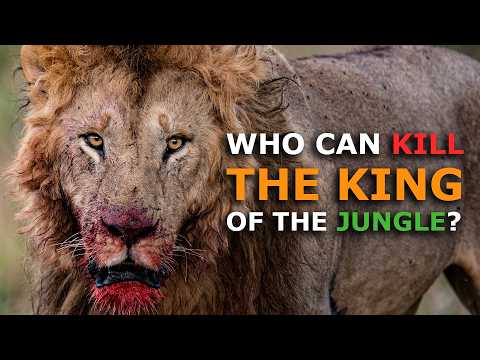
Lions are tough hunters, but a few African species can overpower or even kill a lion thanks to their size, weaponry, or just plain surprise.
Here’s a quick rundown on how each animal manages it—and what makes them so dangerous.
African Elephant: The Unbeatable Giant
It’s impossible to ignore an elephant’s sheer size. Adult African elephants tip the scales at 4,000–7,000 kg and can stand taller than 3 meters at the shoulder.
One stomp or a swipe of a tusk can easily injure or kill a lion.
Elephants protect their calves by forming a close circle and using both tusks and trunks to strike in sync. Bulls don’t hesitate to charge at a pride, and their speed and force are just out of a lion’s league in a one-on-one.
Their thick skin and massive bodies don’t give lions much to grab onto.
If you watch them near water or when they’re feeding, you’ll see lions steer clear of healthy adult elephants. They only go after calves or sick ones, and even then, it usually takes a big, hungry pride.
Hippopotamus: The Most Dangerous Animal in Africa
Hippos don’t just look intimidating—they back it up with aggression and jaws that can crush bones. An adult male hippo weighs somewhere between 1,500–3,200 kg and has canines that can slice through flesh with ease.
They’re super territorial in water and will charge in a flash. Lions might try to hunt young hippos at night, but an adult or a protective mother can easily gore or trample a lion.
Surprisingly, hippos can move pretty fast on land in short bursts.
Given that hippos kill more people in Africa than most other animals, you can imagine they’re just as dangerous to predators. Lions almost never risk a direct attack on a full-grown hippo unless they’re desperate or the hippo is already in trouble.
Rhinoceros: Nature’s Living Tank
Rhinos defend themselves with their bulk and that deadly horn. Black and white rhinos weigh between 1,400–2,500 kg and can charge fast enough to impale or gore just about anything in their way.
Their thick hide and low center of gravity make them tough to knock over. When they feel threatened, rhinos face danger head-on and can sprint up to 50 km/h for a single, decisive strike.
Lions only go after rhinos that are old, young, or already injured.
You’ll find rhinos alone in open savanna or bush, so lions do run into them, but most prides know better than to pick a fight. One good horn wound can be fatal for a lion, so they usually think twice.
Crocodile: Ambush Master at the Water’s Edge
Crocodiles rule the water’s edge. Nile crocodiles can grow over 4–5 meters and have jaws built for crushing, not chewing.
A drowning bite or a death roll can end a lion’s life in seconds.
If you watch river crossings, lions cross cautiously because crocodiles often wait nearby. Crocs anchor themselves near the bank and strike at a leg or flank, dragging the lion into deeper water.
Once underwater, the lion really doesn’t stand a chance.
Sometimes lions grab small or young crocs, but a fully grown Nile crocodile is a serious threat to any predator that gets too close to the water. If you spend time watching river scenes, you’ll notice both species usually keep their distance.
Fierce Competitors and Exceptional Encounters

Let’s look at a few more animals—or groups—that can take down a lone lion. Each example highlights how size, weapons, or sheer numbers can change the outcome.
Buffalo: A Defensive Might
Cape buffalo fight back with their mass and sharp horns. One buffalo can gore a lion with a sideways or upward thrust.
Lions usually hunt buffalo as a group, working together to flank, tire out, and pick off calves or weaker adults.
Buffalo herds help each other too. When they sense danger, they form a semicircle or tight ring with calves inside, facing the threat.
That defense makes it really risky for a single lion to try taking on a healthy adult.
Plenty of lion vs. buffalo encounters end with lions limping away or giving up. A healthy adult buffalo is, without question, a serious danger to a lone lion.
Giraffe: Power in a Single Kick
A giraffe can kill with just one kick to the head or chest. Their long, strong legs pack enough force to break bones or even crush a skull.
Lions usually go after young or sick giraffes, trying to isolate them. Successful hunts on adults are rare and need a coordinated attack from several lions at once.
If you watch actual hunts, you’ll notice lions avoid the giraffe’s front legs and aim for the legs or neck instead.
A healthy adult giraffe is just too risky for a lone lion, since one defensive kick could end it right there.
Hyenas and African Wild Dogs: Striking with Numbers
Both spotted hyenas and African wild dogs rely on teamwork. Hyenas have incredibly strong jaws and can crush bone.
Packs of hyenas sometimes overpower a single lion, especially if it’s injured or alone. They’ll also gang up and drive lions off kills by sheer persistence.
African wild dogs hunt in tight-knit packs, using stamina and relentless relay chases. They focus on tiring out prey and delivering lots of quick bites.
When dogs or hyenas outnumber a lion, they can surround it, inflict serious wounds, or force it to give up a meal.
Many real-life confrontations show lions losing ground when they’re outnumbered, even if they’re stronger one-on-one.
Other Lions: Rivalry and Pride Battles
Other lions? Honestly, they’re often the deadliest threat a lone lion will ever face. Male takeover fights and territorial battles usually bring several attackers into the fray.
A lone male who faces a coalition might get killed, badly injured, or just chased away. It’s brutal.
During these fights, lions use their claws and teeth, aiming straight for the throat or belly. Lionesses don’t just stand by—they’ll fight fiercely to protect their cubs.
Groups of females can completely overwhelm a single intruder. There are plenty of reports out there about violent clashes between prides, and sometimes these end in serious injury or even death.
When it comes to lions attacking each other, social bonds and numbers matter way more than size or brute strength. Kind of makes you wonder how any lone lion survives at all.


