
You probably see squirrels everywhere and wonder if they carry rabies. Squirrels can get rabies, but it’s so rare that people don’t consider them a real rabies threat. Let’s dig into why squirrels hardly ever spread rabies and what you should actually watch for around your pets and family.

We’ll talk about how body size, behavior, and disease patterns make squirrels unlikely to carry rabies. I’ll also cover what weird squirrel behavior looks like, plus what you should do if you or your pet gets bitten or has close contact.
So—when should you worry, and when is it okay to just relax?
Why Squirrels Don’t Get Rabies Easily
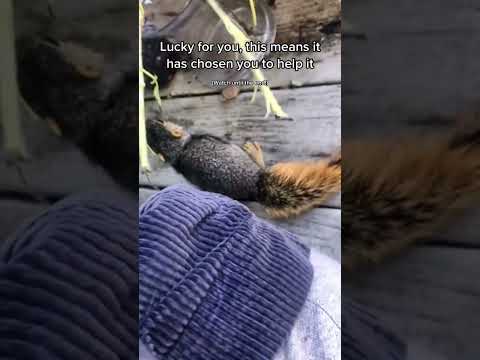
Squirrels almost never carry rabies. Their bodies, habits, and the way they live make infection pretty unlikely.
Their immune systems, short survival after attacks, and daily routines all work together to keep rabies from spreading in squirrels.
Natural Resistance and Biological Factors
Squirrels can catch rabies, but their bodies and size make it tough for the virus to take hold. Their small nervous systems give the virus less space to travel before symptoms show up.
Usually, a rabid predator injures a squirrel so badly that it dies before rabies can really spread.
Squirrels’ immune systems do help. They aren’t immune, but their bodies can limit the virus early on.
Rodents, including squirrels, only shed the virus for a short time. Even if a squirrel gets infected, it’s not likely to be contagious for long.
These limits mean squirrels almost never become long-term carriers.
Rabies Transmission in Squirrels Versus Other Animals
Rabies spreads through saliva, mostly by bites. Bats, raccoons, and skunks shed the virus longer, so they carry and spread rabies more easily.
Squirrels usually die soon after exposure. They don’t get the chance to pass the virus on.
When people test animals for rabies, they find positive results much more often in bats or raccoons than in squirrels.
The way squirrels live—mostly in trees, not biting often, and not shedding the virus for long—makes them a very different risk compared to those other animals.
Incidental Host: What It Means for Squirrels
Squirrels act as incidental hosts for rabies. They can get infected, but they don’t keep the virus going in wild populations.
If a squirrel does catch rabies, the infection usually ends with that animal.
For you, this means a rabid squirrel is a rare event, not a big public health problem.
Health officials focus on animals like raccoons and bats. Still, if a wild squirrel bites or scratches you, clean the wound and talk to a doctor, just in case.
Squirrel Behavior and Limited Exposure
Squirrels’ habits keep them away from most rabies carriers. They’re out during the day, mostly alone, and spend a lot of time up in trees.
That means they don’t run into nocturnal animals like raccoons and bats all that often.
Squirrels usually run away from trouble instead of fighting. They almost never bite people unless someone corners or tries to handle them.
Feeding or trapping squirrels makes things riskier, so it’s best to avoid close contact.
If you see a squirrel acting weird, don’t touch it—call animal control instead.
References: For info on why squirrels rarely carry rabies, check EWASH on squirrel rabies rarity, more risk details at Fauna Discovery, and species notes at SquirrelsInfo.
Rabies Risk: Squirrels, Humans, and Pets

Squirrels almost never carry rabies. Bites from them are rare, and honestly, pets are at higher risk than people.
If you get bitten or scratched and it breaks skin, don’t ignore it—get it checked out by a doctor or vet.
Can Squirrels Transmit Rabies to People or Pets?
Squirrels can get rabies, but in the United States, it’s extremely rare. Most rabies cases come from raccoons, skunks, foxes, and bats—not small rodents.
Since squirrels are small and don’t live long, rabies barely spreads among them.
Your pets are more likely to get exposed than you are. If your cat or dog chases squirrels and gets bitten, you should take them to the vet.
If your pet isn’t vaccinated, the vet might recommend quarantine or a rabies booster.
If a squirrel bites you, rabies is very unlikely, but you still need to wash the wound and see a doctor.
For more on how rare squirrel rabies is, see this overview of squirrels and rabies risk.
Recognizing Signs of Rabies in Squirrels
Rabid squirrels act really strange compared to normal ones. Watch for squirrels that suddenly lose their fear of people, stumble around, act aggressive, or move in weird, jerky ways.
You might notice drooling, paralysis, or circling.
Baby squirrels that are sick might seem weak, tired, or oddly tame. But honestly, those signs could come from a lot of things—injury, illness, not just rabies.
If a squirrel looks sick or too friendly, don’t touch it.
Call animal control or public health officials to handle strange-acting wildlife. They know how to deal with it safely and can test the animal if needed.
For more about how officials check for rabies in squirrels, see this discussion of squirrels and rabies cases.
What To Do If Bitten or Scratched by a Squirrel
Start by washing the wound with soap and running water for several minutes.
If the wound bleeds a lot, press down gently until it slows, then cover it up with a clean bandage.
Go see a doctor right away. They’ll check the wound and decide if you need rabies post-exposure prophylaxis (PEP).
Tell your healthcare provider what happened. Mention where the bite occurred, how the squirrel acted, and whether anyone caught or killed the animal.
If you can, call local animal control to report the bite. Ask if there’s any way the squirrel can be tested.
If a squirrel bites your pet, call your vet immediately. Double-check your pet’s rabies vaccine status.
Hang on to vaccination records and keep track of all follow-up visits.
If doctors or vets recommend PEP or a booster, stick to their schedule. It’s the best way to prevent rabies.
Want more info? Take a look at CDC-based summaries about how rare squirrel rabies actually is: https://faunadiscovery.com/can-squirrels-get-rabies-separating-fact-from-fiction-.


