
A squirrel might refuse to leave your porch because it finds food, shelter, or a sense of safety there. Sometimes it’s sick or hurt. If you take away food and block off easy hiding spots, the squirrel usually gives up and moves on.

Let’s look at why squirrels stick around and what you can actually do—without hurting them—to get your porch back. Try simple fixes like locking up bird feeders, picking up pet food, and adding a few deterrents so wildlife gets the hint that it’s not welcome.
Why a Squirrel Won’t Leave Your Porch

Squirrels hang around porches because they find food, shelter, or safety there. You can notice certain behaviors to figure out if it’s just passing by or planning to stick around.
Common Squirrel Behavior Around Porches
You’ll see squirrels darting around, pausing to sniff, and sitting upright to check for danger. Sometimes they dig tiny holes for nuts, chew on wood, or scurry along railings and gutters.
They’re busiest in the early morning and again late in the afternoon. If a squirrel seems relaxed around you, it’s probably used to people feeding it.
Sick or hurt squirrels act differently—they might wobble, move slowly, or just sit there even if you get close. When a squirrel keeps coming back to the same spot, it’s found something good nearby.
Watch for tail flicking, sharp calls, or chasing other squirrels. Those are signs it’s being territorial or defensive—not friendly. Keep an eye on how long it stays, what it touches, and what it eats so you know what to do next.
Reasons Squirrels Are Attracted to Porches
Food tops the list. Bird feeders, pet food, open trash cans, or even a few crumbs on the steps will lure squirrels back again and again.
Shelter is a close second. Overhangs, stacked firewood, and thick porch plants give squirrels a place to hide from weather or predators. Sometimes they use porches as lookout spots if they’ve got a nest in a nearby tree or attic.
People can accidentally train squirrels to visit. If you or your neighbors leave food out, or even feed them sometimes, they’ll learn your porch is a safe bet. A mother squirrel with babies might hang around if there’s a nest close by. If you spot frequent visits, check nearby trees and attic spaces.
Signs Squirrel Presence Might Be a Problem
If you notice chewed wood, gnawed wires, or holes in screens, the squirrel’s probably testing your house for entry points. That can turn into a real headache if it gets inside.
Big piles of nuts or lots of droppings mean the squirrel’s storing food or maybe even living nearby. Aggressive moves—like charging, loud noises, or acting like it owns the porch—can scare pets or people. If a squirrel doesn’t run when you approach, it could be sick or orphaned. Don’t touch it; call wildlife experts.
Finding nesting stuff in corners, loose shingles, or hearing odd noises in the walls or attic at dawn or dusk? That’s a sign the squirrel’s moved in. Secure food, block holes, and think about humane removal if things get out of hand.
Ways to Get Rid of Squirrels and Prevent Return
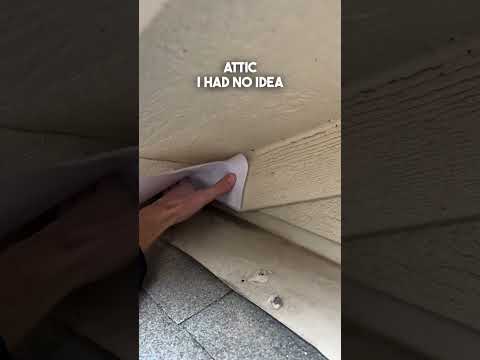
Here’s what actually works: get rid of things that attract squirrels, use repellents, block off entry, and call in the pros if it’s too much to handle.
Remove Food, Water, and Shelter Attractants
Start by making your porch boring for squirrels. Bring in bird feeders or use squirrel-proof ones. Sweep up seeds, pick up fallen fruit, and stash pet food inside.
Keep your trash in bins with tight lids and clean up spills right away. Don’t leave compost or open soil bags near the porch. Even a few crumbs can make squirrels come back.
Cut off their hiding spots. Close up gaps under the porch and seal any holes that lead into walls or attics. Trim tree branches that hang over your roof or porch railing.
Move brush piles and stacked wood away from the porch so squirrels can’t use them for cover.
Squirrel Repellents and Natural Deterrents
Try scent and taste repellents where squirrels hang out. Mix water with cayenne pepper or garlic, or buy a commercial repellent, and spray it on porch ledges, planters, and around bird feeders. You’ll need to reapply after it rains.
Plant things squirrels hate, like daffodils or alliums, near the porch to make it less appealing.
Give motion-activated deterrents a shot. Sprinklers or lights that turn on when something moves can scare squirrels off without hurting them. Change up your repellents now and then so they don’t get used to one trick.
Physical Barriers and Exclusion Methods
Put up barriers to keep squirrels out. Use hardware cloth or mesh (about 1/4–1/2 inch) around crawl spaces and under porches. Secure it with screws and washers so squirrels can’t yank it loose.
Cover any opening bigger than 1/2 inch with metal flashing or sheet metal. Screen vents and fill gaps with steel wool plus caulk. Skip plastic or thin wood—squirrels chew right through them.
Protect your plants and feeders. Place bird feeders on poles with baffles at least 4 feet off the ground and 6 feet from anything squirrels can jump from. Put netting or chicken wire around garden beds and planters to keep squirrels away from your porch plants.
When to Call Wildlife Removal Professionals
If you hear squirrels scurrying inside your walls, notice them chewing on electrical wires, or keep hearing odd noises at night, it’s time to call a wildlife removal pro. These situations can lead to fire hazards and health risks.
Look for a licensed, humane company that prefers exclusion methods instead of using poisons. The right pro will track down entry points, safely remove the animals, and fix damage or set up long-term prevention.
In some places, trapping animals requires permits, so a pro can deal with all the legal stuff for you. If you ever find a nest with babies, don’t try to handle it yourself—let a professional step in, since improper removal could harm the young and just make everything worse.


