
Picture a squirrel tumbling from a tall tree, then scampering away like nothing even happened. Ever wondered how they pull that off? Their small size, loose posture in midair, and bushy tail all help them slow down and land with way less force than, say, a cat or a human.
Squirrels rarely die from falling. Their low weight and unique body shape give them a low terminal velocity, and they can spread out to slow their impact.

Let’s dig into how their legs, tail, and body position act like built-in safety gear. I’ll also get into how far a squirrel can fall without serious harm, and what you might do if you ever find a stunned or hurt squirrel.
Why Can’t Squirrels Die from Falling?

Squirrels survive so many falls because they slow themselves down, spread their weight, and land in ways that reduce the impact.
Air resistance, their body shape, and how they land all work together to protect them.
Terminal Velocity and Surface Area
Squirrels hit a low terminal velocity by increasing air resistance. Their small mass and spread-out posture both raise drag.
That means they fall way slower than a person would from the same height.
Watch how they splay out their legs and tail. It’s a bit like a parachute, honestly.
Slower speed means a softer landing.
Researchers and wildlife guides say a grey squirrel’s low weight keeps the downward force much smaller than it would be for heavier animals.
The surface they land on matters, too. Grass or leaf litter cushions the blow way better than concrete.
Even if a squirrel falls from a ridiculously high tree, its slowed descent and larger surface area give it a solid chance to walk away just fine.
Body Structure and Flexibility
Squirrels have light bones and super flexible, muscular limbs built for quick twists and shock absorption.
Their joints bend easily, so they can spread impact across their whole body instead of just one spot.
That long, bushy tail does more than look cute—it stabilizes them and helps control rotation midair.
They use it to orient their feet toward the ground. Plus, all that fur and loose skin adds a bit of padding when they land.
Because their bones don’t carry much weight, the stress on their bodies during impact stays low.
That’s why you almost never see a squirrel die from a fall.
How Squirrels Land During Falls
Squirrels usually land on all four feet, legs bent and ready.
They use a rolling motion to turn vertical speed into horizontal movement. This spreads the force out, so their bones and organs don’t take a big hit all at once.
They’ll even grab branches or use their claws to slow down or stop a fall if they can.
If they miss, they still tuck and splay out to get the most air resistance and keep control.
Sure, injuries happen—especially if they hit sharp stuff or are sick—but most landings don’t end badly.
If you’re curious about the physics, here’s a good explanation on terminal velocity and squirrel falls.
How Far Can Squirrels Fall Without Getting Hurt?
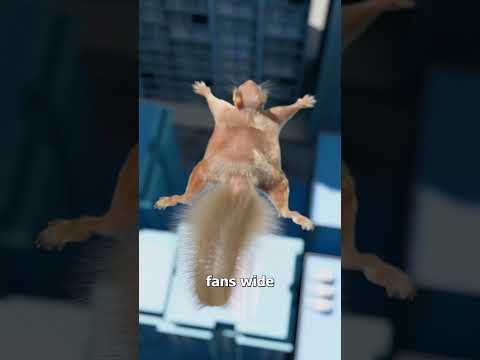
Squirrels survive long drops because they’re light, spread their bodies to slow down, and hit a low terminal velocity.
Let’s talk about how far they can usually fall safely, what people have actually seen, and whether different squirrels compare.
Height Tolerance and Survival Rates
Small tree squirrels hit a terminal velocity so low that even falls from really tall trees rarely kill them.
A typical grey squirrel weighs about 300–500 grams and can slow itself by splaying its limbs and tail to catch more air.
So, even falls from tens of meters up usually end with just bruises, maybe a broken bone, or sometimes no injury at all.
If a squirrel hits a hard, angled surface or is already hurt, their survival chances drop.
Wildlife rehab centers get plenty of adult squirrels with minor trauma after long falls, but rarely from just the height alone.
What matters most? The surface they land on and their health, not just how far they fell.
Real-World Observations and Stories
You’ll find tons of stories about squirrels surviving falls from buildings and tall trees.
Urban reports mention squirrels bouncing off rooftops or gutters and running off with barely a scratch.
Vets and wildlife rehabbers treat fractures and concussions more often than deaths from high falls.
Eyewitnesses and small studies link survival to how well a squirrel can spread out and use its tail for balance.
If you want a deeper dive, check out this university write-up on why squirrels survive extreme drops and how their mass and shape affect terminal velocity (see this explanation on squirrel falls).
Are Baby Squirrels and Flying Squirrels Different?
Baby squirrels, or kits, face a lot more risk than adults. They weigh less, sure, but they also can’t really control their muscles or reflexes well enough to spread out if they fall.
If a kit tumbles out of the nest too soon, it might suffer fatal injuries or even hypothermia. Rehab centers always urge people to rescue and warm up fallen babies as quickly as possible.
Flying squirrels stand out in one big way: they glide. They don’t actually parachute, but they use a skin flap to steer their descent and cover some ground sideways.
That gliding ability slows their fall and lets them land with a bit more control. Honestly, flying squirrels usually survive higher drops better than non-gliding juveniles, though they can still get hurt if they miss their landing spot.


