
You can usually tell a squirrel from a rat pretty quickly if you pay attention to size, tail, and behavior—or even just where you spot them. Squirrels have those bushy tails, move around in daylight, and hang out near trees. Rats? Their tails are thin and scaly, they prefer nighttime, and they stick to hidden places like garages or basements. That’s often all you need to figure out who’s behind the noises, chewed wires, or damage in your garden.

Let’s look at the main physical and behavioral differences, how to recognize their droppings and nests, and the kinds of mess each one leaves behind. Bookmark this if you want a quick way to ID an infestation or protect your home and yard.
Core Differences Between Squirrels and Rats
You’ll spot clear differences in their looks, habits, and what they eat. These clues make it easier to tell a tree squirrel from a Norway rat, or a flying squirrel from a roof rat, even if you only catch a glimpse.
Physical Appearance and Tail Features
Squirrels (Sciuridae) have bigger eyes and longer bodies than most city rats (Muridae). Tree squirrels like gray and fox squirrels show off thick fur and bodies designed for jumping. Flying squirrels look flatter, with a skin fold for gliding.
The tail gives away the answer fast. Squirrels sport big, bushy tails for balance, warmth, and communication. Their tails usually stick up or curl over their backs. Rats—Norway or roof rats—have long, skinny tails with barely any hair, and they drag them flat on the ground. Rat tails help them balance and cool off, but they never fluff up.
Look at the face and feet, too. Squirrels have large, furry ears and paws with obvious claws for climbing. Rats have smaller, rounded, almost hairless ears and bodies that are more tubular, with less fur on their feet. If you see a fluffy tail, that’s almost always a squirrel.
Behavior and Daily Activity Patterns
Squirrels get active during the day. Most tree squirrels spend daylight hours searching for nuts and hopping between branches. You might catch gray or fox squirrels standing up on their back legs, checking out the area.
Rats come out mostly at night. Norway rats and roof rats wait for dark to look for food, sneaking along walls and hidden routes. They rely more on smell and their whiskers, since their eyesight isn’t great.
Social habits differ, too. Squirrels can be loners or loosely social, and they have clear nesting seasons in spring and summer. Rats breed year-round if there’s enough food and shelter, and they make tight nests inside buildings. If you hear scratching in the attic during the day, that’s probably a squirrel. Scratching at night near the walls? That’s more likely rats.
Diet and Foraging Habits
Squirrels mostly eat plants. Tree squirrels go for nuts, seeds, fruit, buds, and sometimes bird eggs. Gray and fox squirrels store food, digging small holes to hide it. Flying squirrels look for seeds and tree sap at night.
Rats eat anything they can find. Norway and roof rats will munch on grains, meat scraps, garbage, pet food—basically, if it’s edible, they’ll eat it. Rats chew through building materials and wires to get inside or to make nesting spots. They usually stick to the same runways and leave droppings along those routes.
If you find chewed-up seed shells, scattered food stashes, or spot a bushy tail racing up a tree, you’re probably dealing with a squirrel. If you find gnawed wires, greasy trails along baseboards, or small, pointed droppings, rats are likely to blame. Want more details? Check out this guide comparing squirrels and rats.
Identifying Infestation and Understanding Damage
You can figure out what’s living in your house by checking where you find droppings, nests, and damage, and paying attention to when you hear noises. Look in attics, along baseboards, inside cupboards, and near vents for the most obvious clues.
Squirrel Droppings vs Rat Droppings
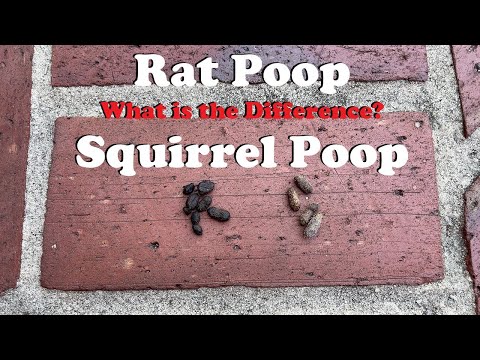
Squirrel droppings look like small, rounded beans. You’ll usually find them loose in attics or near tree trunks. They’re often lighter brown and scattered where squirrels rest or hide food.
Rat droppings are longer, pointier, and more uniform in shape. They show up along baseboards, in cupboards, or behind appliances. Rats use the same spot as a latrine, so their droppings pile up in one area.
Don’t touch droppings directly. Wear gloves and a mask to clean up, and if you find a lot, it’s smart to call in professional wildlife removal or rodent control.
Spotting Nests and Nesting Habits
Squirrels build big, leafy nests called dreys in trees, or they use attic rafters if they get inside. Dreys are bulky, made of leaves, twigs, and sometimes insulation. Squirrels in attics stash food and leave chew marks near roof vents and soffits.
Rats hide their nests inside wall voids, crawlspaces, or insulation. Their nests are smaller, built from shredded paper, cloth, and insulation. Rats keep their nests close to food and warmth, often behind appliances or inside pantries.
If you find a nest, note its size and what it’s made of. That detail helps pest pros figure out if you need wildlife removal for squirrels or rodent control for rats.
Signs of Squirrel and Rat Damage
Squirrels mess up exteriors and roofs. Check for chewed shingles, gnawed vents, torn soffits, and holes near the eaves. Inside attics, you might see ripped insulation, scattered nuts, and frayed wires where squirrels have been busy.
Rats do more harm inside. Watch for gnawed cardboard, ruined pantry goods, shredded insulation, and bite marks on wires and pipes. Rats leave greasy marks and tiny tracks along walls and baseboards.
Both animals chew wires, which can start fires. Take photos of any damage and keep kids and pets away. If you spot chewed wiring or torn-up insulation, call pest control or an electrician right away.
Disease Risks and Health Concerns
Squirrel and rat infestations can really mess with your health. Rat droppings and urine often spread hantavirus and leptospirosis.
Rats might also give you rat-bite fever if they bite or scratch you. Squirrels sometimes carry ticks, which can bring Lyme disease—and once in a while, even tularemia.
Try not to touch the animals, their droppings, or any nests. If you spot a lot of droppings or see animals that look sick, it’s probably time to call your local rodent control or wildlife removal folks.
Always wear gloves and a mask when cleaning up contaminated spots. Use disinfectant, and if you get bitten or exposed, don’t wait—get medical help.


