
You might think talking to your bees sounds a bit odd, but honestly, it can help you connect with your hive in a way you wouldn’t expect.
When you hang out by your bees and quietly chat with them, you start picking up on their moods and noticing little changes in their health.
This simple habit can really make you a better beekeeper since you’ll spot issues sooner.
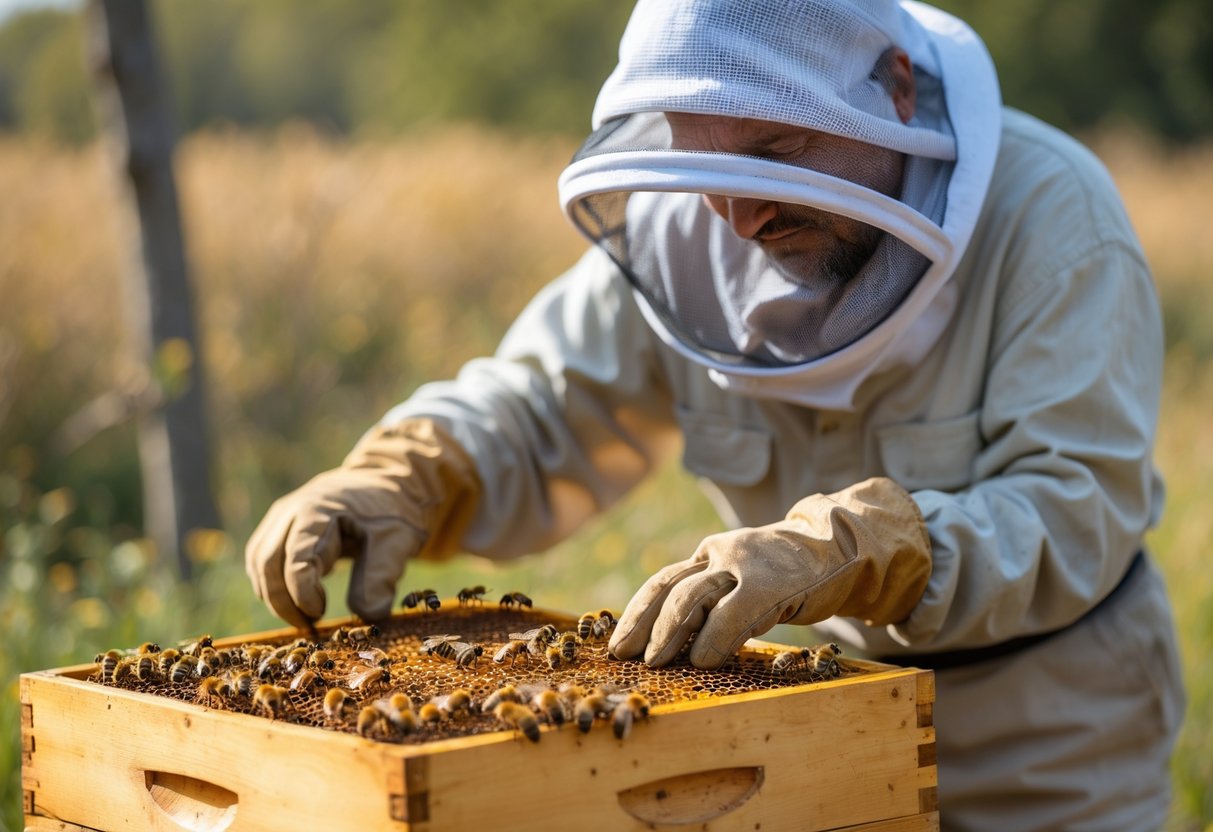
You don’t need any fancy gadgets here—just sit for a few minutes by the hive entrance, listen, and watch what’s going on.
It’s a small thing, but it helps you build a relationship with your bees and makes caring for them feel more natural.
Curious about how talking to your bees could actually improve your beekeeping? Let’s dig in a bit more.
Should You Talk to Your Bees? Exploring the Birds and the Bees Talk

When people talk about “the birds and the bees,” they usually mean sharing honest info about how babies are made, body parts, and how everything works.
You help your kids build trust and prepare for changes by keeping things clear and simple. You don’t have to get complicated—just be accurate and open.
Why Having the Conversation Matters
You really should talk to your kids about the birds and the bees so they understand where babies come from and how bodies work.
This chat builds trust. If kids know they can ask you anything, they’ll feel safer coming to you with questions later.
Start early—before puberty hits—so kids can take in the info without all the awkwardness.
It helps them avoid weird myths they might hear somewhere else. Plus, talking openly shows them how to respect their own bodies and others’.
You don’t have to dump everything on them at once.
Keep it casual and ongoing, just little chats that match your child’s age and comfort level.
Understanding Key Concepts: Babies, Body Parts, and Anatomy
Stick to the basics about human bodies, especially how babies are made.
Use the right names for body parts like penis and vagina so there’s no confusion.
When you explain how eggs and sperm come together to make a baby, it connects biology to real life for your kid.
You can pull out a simple drawing or visual if that helps.
Keep your tone light, but make sure you stick to the facts.
That way, your child learns what’s up without getting overwhelmed.
It’s important to explain that some parts are private and talk about why privacy matters.
Kids start to get what boundaries mean, and that’s a big deal for their safety.
Building Open Dialogue with Children
Make your home a place where your child feels okay asking anything—even the weird stuff.
Listen to them and answer honestly, without making them feel silly or embarrassed.
Be ready for questions to pop up over time, since curiosity doesn’t just stop after one talk.
Skip the big, awkward “talk” and go for lots of smaller conversations.
Use words your child can understand and encourage them to share how they feel.
That way, the whole thing feels less scary and more like a normal chat.
You can also talk about your own values, like respect and relationships.
This helps your child build a strong sense of consent and care for others.
If you want tips on when and how to start these talks, check out this guide on how to talk about the birds and the bees.
Navigating Consent, Puberty, and Sensitive Topics

You’ve got to be clear and honest when you talk about puberty, private parts, and consent.
These conversations help your child feel safe and understand what’s happening with their body and emotions.
Being open now can build trust and help them make good choices down the road.
Discussing Puberty and Physical Changes
When you talk about puberty, focus on the changes your child will notice.
Let them know their body might grow hair in new places, their voice could change, and mood swings are totally normal.
Remind them everyone starts puberty at a different age.
Use simple words and stick to the facts, like how girls start menstruating and boys might notice their voices getting deeper.
Tell your child these changes take time and are just part of growing up.
Keep the conversation going.
Check in every so often so your child feels comfortable asking questions whenever they’re confused or worried.
Explaining Private Parts and Personal Boundaries
Teach your child the right names for private parts so they feel confident talking about their body.
Explain that private parts are the ones covered by a swimsuit.
Help them understand that their private parts are personal, and no one should touch or look at them without permission.
You can give examples, like, “If someone tries to touch you where your swimsuit covers, tell a trusted adult.”
Set clear rules about personal space and respect.
This helps your child learn to respect their own boundaries—and other people’s, too.
Teaching the Importance of Consent
Consent is all about asking for permission and actually respecting the answer before you touch someone or enter their personal space.
You can start teaching this pretty early. Try using simple phrases like, “Ask before hugging,” or, “Check before you borrow something.”
Let your child know it’s always okay to say “no.” If someone else says “no,” your child should listen and back off, too.
You might want to use clear examples or even act out little scenarios together. Role-playing helps kids get comfortable with both giving and recognizing consent.
Kids who practice this stuff build confidence. They’re better able to look out for themselves and others as they grow.
These conversations now set the stage for respect in friendships and future relationships. If you want more ideas, check out these tips on teaching consent by age and stage.


