
Spotting a bee buzzing around your house can catch you off guard. But honestly, there’s no reason to freak out.
Just try to stay calm and open a window or door so the bee has a way out. Bees aren’t looking for trouble—they’d much rather get back outside.

If the bee refuses to leave, you can grab a cup and a piece of paper, gently catch it, and carry it outside.
These steps keep things stress-free for you and safe for the bee.
Sometimes, bees wander in because there’s a hidden hive nearby. If you keep finding bees in the same spot or see them inside a lot, you might need to call a pro.
Let’s look at what you can do in these situations.
Immediate Steps to Take When You Find a Bee Indoors

When a bee shows up inside, you’ll want to act calmly and keep safety in mind.
Figure out what kind of insect you’re dealing with, and try to guide it outside without hurting it.
You definitely want to avoid getting stung, but there’s no need to panic.
Stay Calm and Alert Household Members
A bee flying indoors might startle you, but the first thing is to take a breath and relax.
Bees aren’t out to sting unless they feel threatened, so swatting or panicking just makes things worse.
Let everyone else in the house know there’s a bee around.
Ask kids and pets to steer clear of the area with the bee. That way, nobody gets stung by accident.
Identify If It Is a Bee or a Wasp
Try to figure out if you’re dealing with a bee, wasp, yellow jacket, or hornet.
Bees and bumblebees look fuzzy and round, while wasps and yellow jackets are slimmer and have smooth bodies.
Bees usually just want to escape, but wasps and hornets can be a bit more aggressive.
If you’re unsure, it’s best to play it safe—act like it could sting and avoid sudden moves.
Safely Remove the Bee Using Nonviolent Methods
Help the bee find its way out by opening a window or door.
If it’s nighttime, you can turn off the inside lights and turn on a porch light to guide it outside.
If the bee won’t leave, use a clear cup and a piece of paper to gently trap it.
Slowly cover the bee with the cup, slide the paper underneath, and then carry it outside to let it go.
Don’t use sprays or try to kill the bee. That just causes more problems and harms helpful pollinators.
Protect Yourself from Bee Stings
Even a calm bee might sting if it feels scared, so be careful.
Try to keep your face and hands away from the bee, or cover your face with a cloth if you need to get close.
Wear long sleeves and pants if you have to approach a group of bees or think there’s a nest nearby.
If you or someone in your house is allergic to bee stings, be ready to get medical help fast if anything happens.
Learning to spot bumblebees and yellow jackets helps you know when to be extra cautious.
Preventing and Managing Repeated Bee Encounters in Your Home
Dealing with bees inside isn’t just about catching one and setting it free.
You need to look for signs of a bigger issue, know when to call for help, and take steps to keep bees out long-term.
Recognize Signs of a Bee Infestation
If bees keep showing up indoors, you could have an infestation.
Listen for buzzing near walls, ceilings, or vents. Check for small holes in the walls or gaps around windows.
Bees like to build hives in out-of-the-way spots like attics, chimneys, or inside walls.
Watch for more bees during the warmer months. Honey bees and other types usually stay near their hive.
If you see lots of bees flying in and out of one place, they’ve probably set up a hive.
Notice dead bees around the house or sticky honey patches? That’s often a clue about where the hive is.
If you think you’ve got a wasp nest, be careful—wasps get aggressive fast.
When to Contact a Bee Removal Service
If you find a hive inside or keep seeing lots of bees, call a professional bee removal service.
These experts know how to move honey bees safely since bees are important pollinators.
They can relocate the hive or deal with pest infestations according to local rules.
Don’t try to remove a big group of bees on your own. It’s risky and can end with stings.
Pros have the right gear and know-how to keep both you and the bees safe.
Seal Entry Points and Prevent Future Incidents
If you want to keep bees out, you should start by sealing every possible entry point.
Walk around your home and look for cracks or gaps near windows, doors, vents, and chimneys.
Grab some weather-stripping, caulk, or even fine mesh screens and cover up those spots.
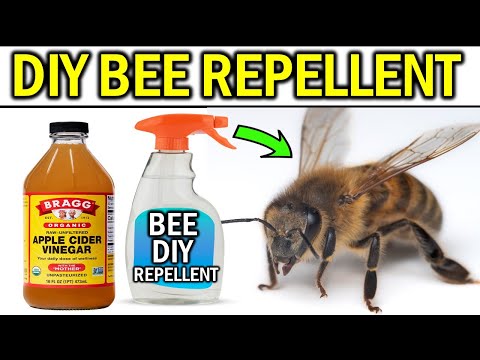
You could also try planting natural repellents like wormwood near your doors and windows. Some folks say it really helps keep bees away.
Don’t forget to keep outdoor trash covered and get rid of sweet food sources that might tempt bees in the first place.
Put up bee screens on your windows and vents. That way, you get fresh air but not the buzzing visitors.
Check these areas regularly. A quick inspection here and there can stop a minor issue from turning into a full-blown bee problem.


