
If you want plants chipmunks won’t eat, choose strongly scented flowers, bulbs, and herbs to make your garden less appealing.
Pair the right plants with good placement and a few practical deterrents for the best results.
Choosing chipmunk-resistant plants helps protect your flower beds while keeping your garden colorful and fragrant.

Best Plants for Areas Chipmunks Target

Plants with pungent foliage, bitter bulbs, or strong floral scents work best.
In beds where chipmunks like to dig, these options help reduce interest.
Bulbs and Flowers Chipmunks Usually Leave Alone
Daffodils, including narcissus, repel chipmunks because the bulbs contain toxic compounds.
Other good bulb choices are allium, ornamental onion, grape hyacinth, hyacinths, common camas, and glory-of-the-snow.
Gardeners use marigolds, French marigold, and tagetes for color near vulnerable spots because their scent makes beds less inviting.
Herbs and Aromatic Plants That Make Beds Less Appealing
Strong herbs can deter chipmunks.
Mint and peppermint have powerful aromas, while sage and lavender add fragrance and structure.
Rosemary and geraniums are also popular, and nepeta and other salvia varieties create an aromatic edge.
Good Border Plants for Vulnerable Spots
Border plants work well along paths, shed walls, and the edges of raised beds.
A mix of lavender, marigolds, geraniums, and ornamental onion can help repel chipmunks while giving your garden a finished look.
Place these plants where chipmunks are most likely to enter or dig.
Why Chipmunks Avoid These Plants

Chipmunks avoid plants that smell strong, taste bitter, or contain compounds that irritate them.
Many chipmunk repellent plants are fragrant herbs and bulbs instead of soft, sweet flowers.
Strong Scents That Deter Chipmunks
Plants with bold fragrance can deter chipmunks because they rely on scent when foraging.
Fragrant flowers like lavender, marigolds, and hyacinths create smells that many chipmunks avoid.
Toxic or Bitter Compounds in Certain Bulbs
Some bulbs repel chipmunks because they contain irritating or toxic substances.
Daffodils contain lycorine, which makes them unappealing to many animals.
Plants in the onion family, such as onion and chives, have a sharp flavor and odor that can discourage nibbling.
Why Tulips Get Hit While Daffodils Often Do Not
Chipmunks often dig up tulips because they treat the bulbs as food or cache material.
Daffodils usually attract less attention, so many gardeners plant them near tulips to help mask the sweeter scent and reduce damage.
Planting Strategy for Better Protection
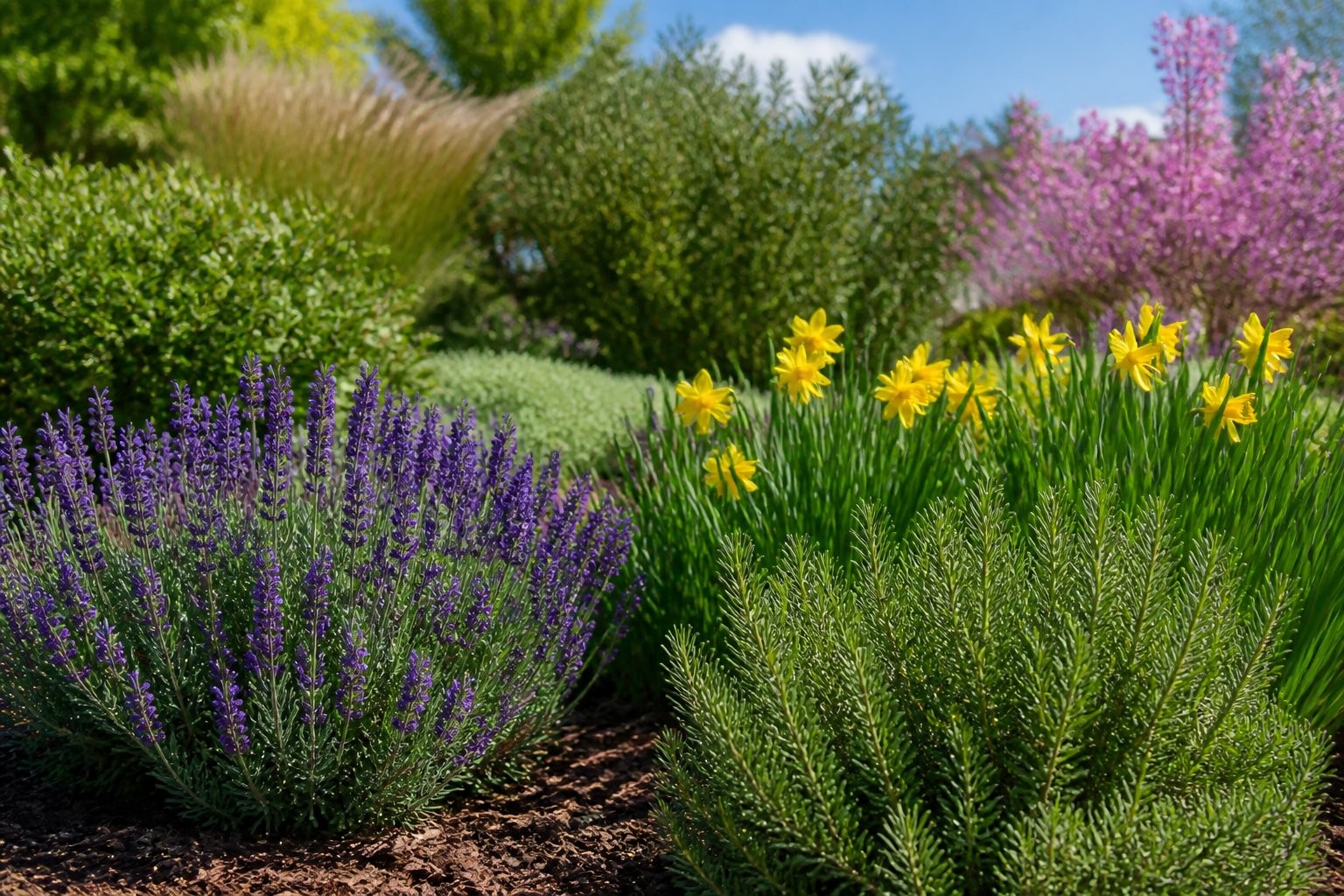
Smart placement matters as much as plant choice.
If you organize your garden in layers, you can make it harder for chipmunks to reach the plants they like best.
Layering Borders Around Flower Beds and Vegetables
Edge flower beds with aromatic plants as a first line of defense.
A border of lavender, sage, or marigolds around vegetables can deter chipmunks before they reach more tender crops.
Low, dense plantings also make digging less convenient.
Pairing Repellent Plants With Tempting Crops
Place chipmunk repellent plants next to vegetables, strawberries, or bulbs that chipmunks may target.
The scent barrier works best when the repelling plants are close to the area you want to protect.
Mixing colors and textures also keeps the garden looking intentional.
Placement Tips Near Foundations, Paths, and Fences
Chipmunks often travel along cover, so plants near fences, foundations, and walkways can help repel chipmunks at entry points.
Keep the space tidy because thick brush and fallen debris make travel easier for them.
A neat perimeter supports your planting strategy.
When Plant Choice Alone Is Not Enough

Even the best chipmunk deterrent plants may not stop a hungry, persistent visitor.
If chipmunks are nesting nearby or your garden offers easy shelter, you may need extra measures.
Exclusion Methods That Support Plant-Based Deterrence
Physical barriers provide strong backup.
Install hardware cloth around beds, tight mesh over bulbs, and well-fitted edging to block digging and limit access.
These exclusion methods work best when paired with your planting plan.
Humane Add-Ons Like Peppermint Oil and Predator Urine
Some gardeners try peppermint oil, predator urine, or sprays with hot peppers to make the area less inviting.
These chipmunk repellents can help for a while, especially when reapplied regularly and used alongside barriers.
Their effect varies, so test what works in your yard.
What to Know If You Are Deciding How to Get Rid of Chipmunks
If you are deciding how to get rid of chipmunks, start with the least disruptive approach.
The eastern chipmunk is persistent. A mix of cleanup, barriers, and scent-based deterrents usually works better than any single fix.


