
Ever wondered if skunks are really dangerous? Honestly, skunks aren’t usually harmful to humans unless you mess with them or make them feel threatened. Most of the time, they rely on their infamous spray for defense. It’s gross and super smelly, but generally not dangerous. Still, skunks can carry diseases like rabies, so you should definitely be cautious around them.

You might spot skunks wandering near homes, searching for food. Most of the time, they’re just trying to stay out of your way. If you ever get sprayed, it’s miserable—the smell sticks around and your eyes might sting or water.
Learning to notice skunk behavior can really help you steer clear of trouble. If you know what to look for, you can avoid getting sprayed and keep things drama-free.
It’s smart to know why skunks could be risky for you or your family. That way, if you ever run into one, you’ll react the right way.
Are Skunks Harmful to Humans?
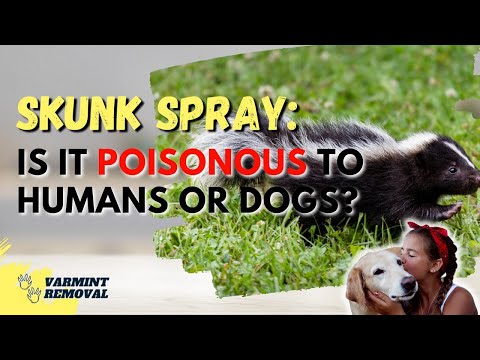
Skunks can surprise you as neighbors, but they usually want nothing to do with people. They’re not naturally aggressive, but certain situations can get messy—think bad smells or the risk of illness.
If you understand how skunks act and what dangers they might bring, you can keep yourself safer.
How Skunks Interact With People
Skunks mostly avoid humans. They’re night owls, out looking for insects or small critters to eat.
If you see a skunk during the day or notice odd behavior, it might be sick. Skunks don’t just spray without warning—they stomp their feet or hiss first. They really don’t want to spray unless they feel cornered or scared.
Never try to touch or catch a wild skunk. Just watch from a distance and let it do its thing.
Effects of Skunk Spray on Humans
Skunk spray is this oily, super strong-smelling liquid that can stick to you for days. If you get sprayed, your eyes might sting or water.
The spray isn’t toxic, but it’s definitely uncomfortable. Washing up with soap and water helps, but a mix of hydrogen peroxide and baking soda works even better to get rid of the smell.
If you get sprayed, try not to rub your eyes. Wash your clothes separately so the odor doesn’t spread.
Bites, Scratches, and Injury Risks
Skunks rarely bite or scratch unless they feel scared or trapped. If it happens, clean the wound well and see a doctor, because infection is possible.
Skunks can carry rabies, which is a big deal. Rabies can spread if an infected skunk bites or scratches you. If that ever happens, get medical help right away.
They might also carry fleas, ticks, and other parasites that could affect you or your pets. It pays to keep an eye on your pets and your own safety around skunks.
For more details on skunk risks and behavior, check out Are Skunks Dangerous? Risks to Humans, Dogs & Cats Explained.
Diseases and Health Risks From Skunks

Skunks can bring a few diseases that might affect you or your pets. Some of these illnesses are serious and need quick attention.
If you know the signs and how these diseases spread, you can keep everyone safer.
Rabies Transmission and Symptoms
Rabies is probably the most famous risk from skunks. It spreads through bites or scratches when the skunk’s saliva gets into your body. Rabies attacks the nervous system and is always deadly if not treated.
Watch for odd signs in skunks like aggression, stumbling, drooling, or just weird behavior. If you or your pet gets bitten, go to the doctor right away. You need to start treatment quickly to stop the virus.
Make sure your pets get their rabies shots. Don’t touch skunks, especially if they’re acting strange. Rabies is no joke. For more info, check out Are Skunks Dangerous? Risks to Humans, Dogs & Cats Explained.
Leptospirosis: Risks and Prevention
Skunks can carry leptospirosis, a bacterial disease, in their urine. You can catch it if you touch water or soil contaminated by skunks.
Most people get flu-like symptoms—fever, headache, muscle aches. Sometimes, it gets worse and affects your kidneys or liver.
Dogs can catch leptospirosis too if they drink from or play in infected water. To protect yourself and your pets, avoid standing water where skunks might hang out.
Keep your yard tidy and don’t let pets drink from unknown water sources. There are vaccines for dogs that help prevent leptospirosis.
Distemper and Canine Hepatitis Concerns
Skunks sometimes carry distemper and canine hepatitis. These illnesses mostly threaten dogs.
Distemper is a nasty virus. It triggers coughing, fever, and that gross eye discharge nobody wants to see.
Dogs can end up with serious brain or lung issues from distemper. It’s rough to watch.
Canine hepatitis targets the liver. You might notice vomiting, fever, or even jaundice—yep, that yellowish skin.
Your pet could get either disease if they tangle with skunks or even just their waste. That’s a risk nobody really wants to take.
Honestly, regular vaccinations make a huge difference. Try to keep your dog away from wild skunks, and stay alert for weird symptoms.
If something seems off, getting to the vet fast can really help.


